

5 Weird Raspberry Pi Projects That Will Freak Out Your Friends
People usually associate Raspberry Pi projects with a steep learning curve, a tool for learning to code, or for building a simple home media server. But the portability of this single-board computer allows it to power exceptionally strange tech. Looking to leave friends and family confused or terrified, this is the best place for inspiration. But be warned, some of these projects aren't easy to build.
The Raspberry Pi is a fascinating piece of hardware that has opened the doors to possibility and creativity for tinkerers. Most people use it to emulate retro video games or block ads on their home networks, but the board's 40 General Purpose Input/Output (GPIO) pins allow it to interact with all kinds of electronics in strange ways. Connecting sensors, motors, and lights lets you create gadgets straight out of a sci-fi nightmare. This tiny computer has enough processing power to handle facial recognition, real-time audio manipulation, and complex mechanical movements with a relatively low power draw.
Hardcore engineers and weekend hobbyists will find lots to make and do with even the base Raspberry Pi 5 for around $45, making it perfect for freaking people out. Makers don't need a pro setup to start building either, just a steady hand, a basic understanding of Python code, and the motivation to make loved ones feel extremely uncomfortable.
EjectABed
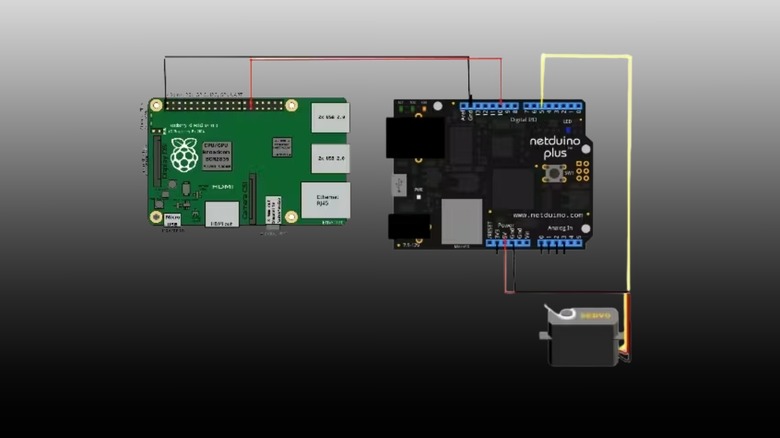
There's always that roommate or family member who can't get out of bed on time, so why not consider EjectABed for a slightly aggressive solution they never asked for? This project requires some heavy lifting, given that the primary hardware component is an actual hospital bed. By connecting a Raspberry Pi to a servo motor that controls the bed's lifting mechanism, unloading a human out of bed is now a reality, thanks to this Python-coded physical alarm clock.
When the timer hits zero, the Pi triggers the servo, and the mattress tilts vertically to dump your loved ones on the floor. It's certainly a new way of making someone tackle a Monday morning, but it also works. The engineering behind the build is surprisingly straightforward, focusing on the interface between the Pi's logic and the high-torque motors required to move your lucky friends.
While most Raspberry Pi projects are somewhat useful, this one prioritizes zinging loved ones and doing what it says on the tin. Makers will likely lose some friends by installing this setup in a guest room, but they can also take comfort in knowing that they've found a solution to their ongoing chronic tardiness.
Become Anyone
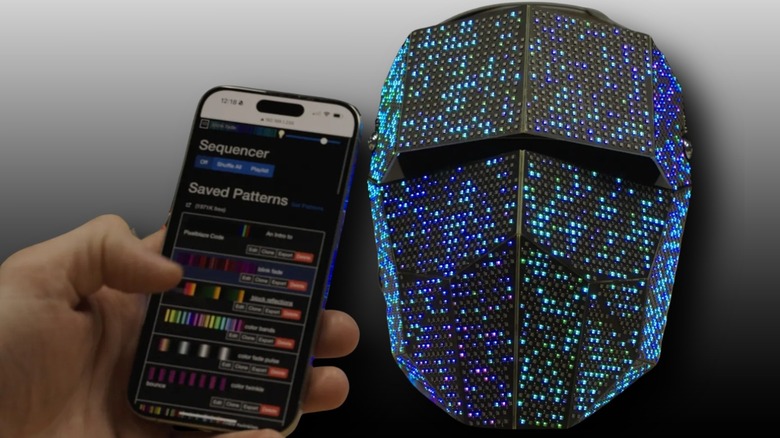
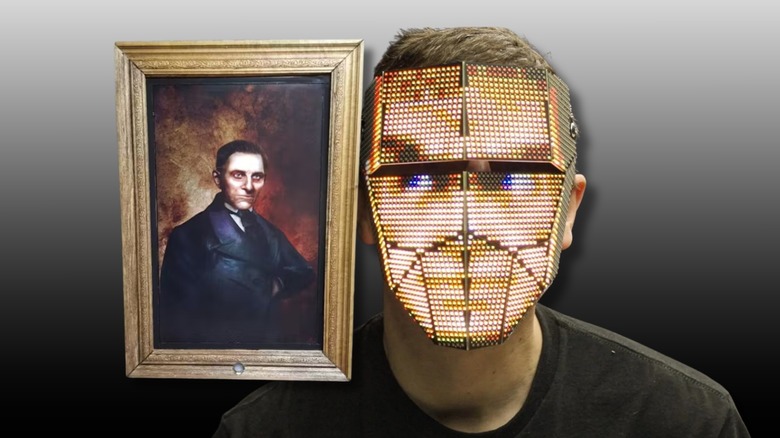
For makers sick of trying to scare their friends with tacky Halloween props and costumes, they can finally achieve a digital ghost look straight from the uncanny valley with the Become Anyone 2.0 Mask. This advanced build will take time to make, thanks to its 16 individual LED matrix panels that create a wearable mask that wraps around the user's head. It features a massive 2,960 addressable LEDs that can be programmed to display any face, pattern, or text makers want. A Raspberry Pi is key to the mask's functionality, running Python scripts to control the LED drivers.
Since each LED is addressable, makers can create high-resolution animations, including melting faces, glitching out, and other nightmare fuel-inspired imagery. It's worth noting that this is an incredibly complex project that requires solid soldering skills and patience, and possibly a pick-and-place machine for the LED installs. The mask also generates heat after operating for a while, so it's not a good idea to wear it for prolonged periods. But walking into a dark room or party with a glowing, melting face is a fantastic way to freak out friends and family. Providing makers have enough 18GA wire and a steady hand, this is one of the most impressive uses of a Raspberry Pi on this list.
Possessed portrait
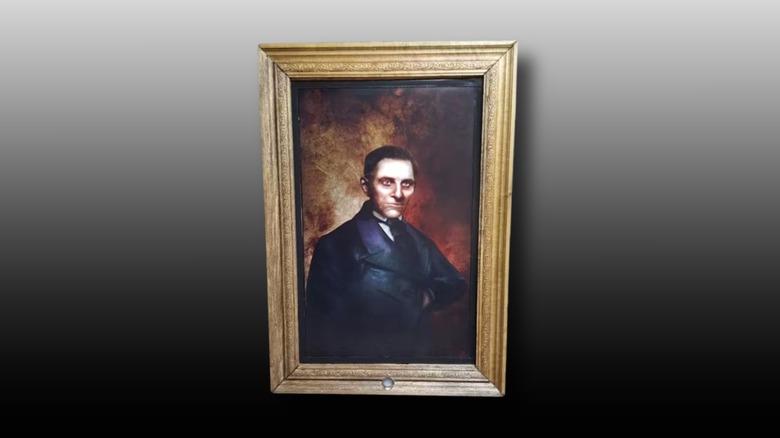
The Possessed Portrait is a modern spin on a classic jumpscare. While it resembles a classic oil painting at first glance, guests won't notice the frame hiding an old 19-inch LCD monitor, which is managed by a hidden Raspberry Pi 3 Model B. The secret weapon of this build is a Passive Infrared (PIR) sensor that detects passersby. When triggered, it turns into a high-definition video of a ghost or monster lunging at them.
The videos used in this build are from AtmosFX, which are specifically designed for "unliving" digital decorations. The transition is seamless thanks to Raspberry Pi pausing the video on the normal portrait until it detects motion. The possessed portrait is perfect for Halloween jump scares, and it's also a great showcase of your carpentry, electronics, and software skills in one project if you make it from scratch. The low cost of this Raspberry Pi project is a big draw, too, with any flat-panel monitor being suitable for it. Yes, even that old LCD monitor collecting dust in a local thrift store. You can even 3D print the Pi Side Mount available on Thingiverse, solving any headache associated with getting all of the components to fit inside the desired wooden frame.
Noodle the Robot
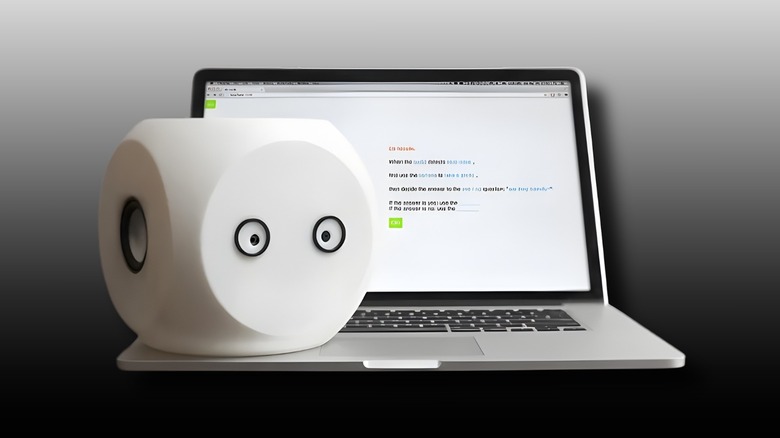
For makers who find AI assistants like Alexa too impersonal, they can replace them with real people with Noodle. It's a crowdsourced robot that takes the concept of a smart home to a dystopian level, which is, quite frankly, very worrying. When users ask Noodle a question, it doesn't use a Large Language Model like Google Home devices. Instead, it connects to Amazon's Mechanical Turk.
Not familiar with Mechanical Turk? It's a platform where humans perform small tasks for micro-payments.In other words, your voice request is sent to a stranger who types out a response for a few pennies, which Noodle then speaks back to users. This is a "Black Mirror" style experiment that feels like playing with fire, as you're paying strangers to make decisions on your behalf. It's technically a smart device, but this particular "smart speaker" uses a random person on the internet to listen to requests and then manually respond. It's bound to creep out users and their friends, but it also highlights the strange ways we use technology.
Secret Dunny Box
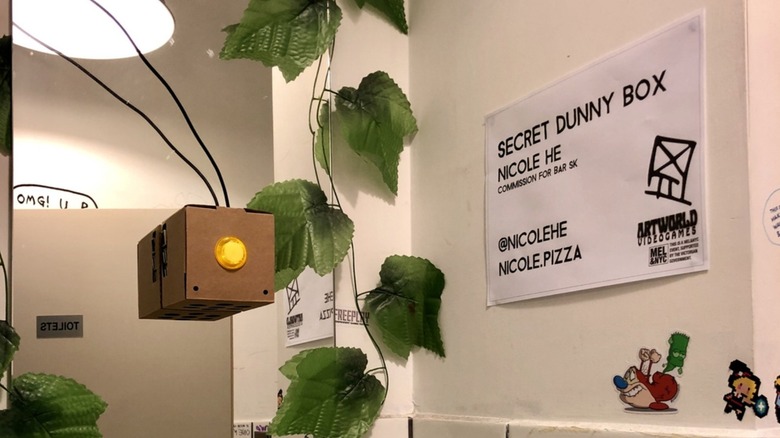
While we can all agree that wanting to leave a public restroom as quickly as possible is a common thought, Nicole He made the Secret Dunny Box to turn them into a strange yet hilarious anonymous communication hub. The project takes a Raspberry Pi to record voice messages from one visitor and play them back for the next person who does their business. To keep things extra creepy, Raspberry Pi uses software to convert the recorded human voice into a flat, computerized tone.
There's a catch, though: visitors can only listen to a message if they leave one first. This creates a chain of "missed connections" between strangers in the most intimate and awkward setting, which is one of the funniest and weirdest uses of the Raspberry Pi we've seen. The hardware is small enough to hide behind a toilet or inside toilet paper dispensers, making it a true "guerrilla" tech project. While most wouldn't want to take a walk around the creator's mind when they thought of this idea, it does demonstrate just how flexible the Raspberry Pi is, which in this case is an odd art installation in a bar in Melbourne. This is a great project to freak out friends who come to use your toilet, only to hear a voice demanding them to tell it their secrets before they can leave.