

3 Underrated TV Brands That Can Compete With Samsung
We may receive a commission on purchases made from links.
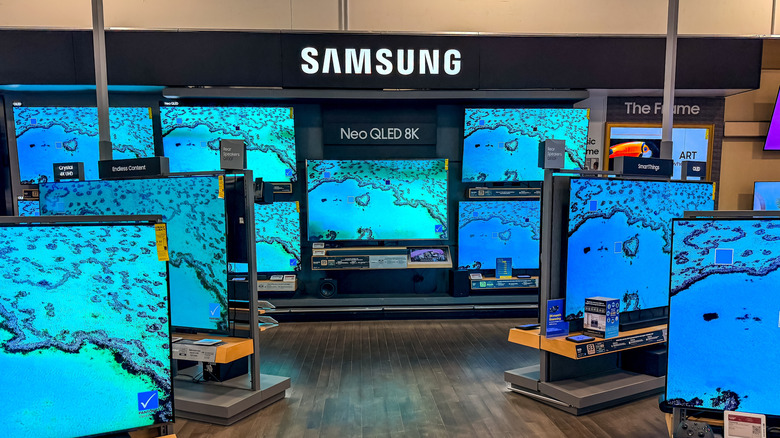
Samsung is a leading name in televisions. Not only does the brand dominate in various distinct panel classes, but it also cleans house when it comes to model and size options. As a TV manufacturer, Samsung makes displays for just about every home, business, and budget, not to mention a wide array of soundbars and other home theater essentials.
Samsung isn't the only international TV manufacturer, though. Companies like LG, Sony, and Hisense are major global competitors, and there are just as many underrated TV brands that can go toe-to-toe with the Korean giant. While makers like Roku, Amazon, and Insignia are often categorized as budget brands, they aren't as much of a compromise as you might assume.
Regardless of why you may not have heard of (or heard far less about) these underrated TV brands we're spotlighting below, we can assure you that they're each capable of taking on Samsung and other screen titans. So without further ado, let's dive into our first selection.
Roku
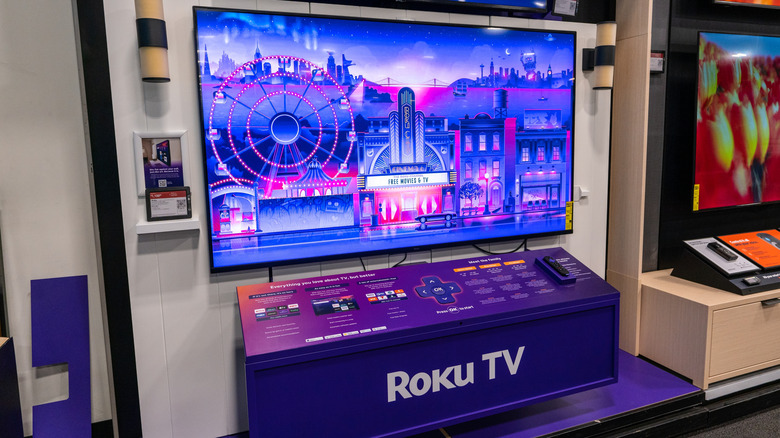
When it comes to the operating system powering some of the best smart TVs, companies like Roku and Google may come to mind. But Roku actually makes its own TVs, too, and the company's Pro Series 4K HDR Mini LED is priced aggressively — so aggressively that it's almost impossible to ignore the cost difference between Roku's finest ($900 for a 65-inch) and a Samsung TV like the QN90F Series ($1,500 for a 65-inch).
Both the Pro Series and QN90F/QN90H use Mini LED lighting and quantum dots, allowing the sets to deliver bright and colorful visuals with minimal haloing. But the Roku flagship is also $600 less, and still delivers modern TV features like a 120Hz refresh rate, VRR, ALLM support, and HDR decoding. We'd also argue that Roku's software is more user-friendly than Samsung's Tizen OS platform.
Here's something else worth mentioning: all Roku Pro Series TVs support Dolby Vision and HDR10+, while Samsung sets do not come with the former. Roku's foray into first-party hardware is still relatively new, and depending on the model, you may experience washed-out colors when you're not sitting centered with the screen. But as far as overall performance and value go, we believe Roku TVs have what it takes to face off against Samsung.
Amazon
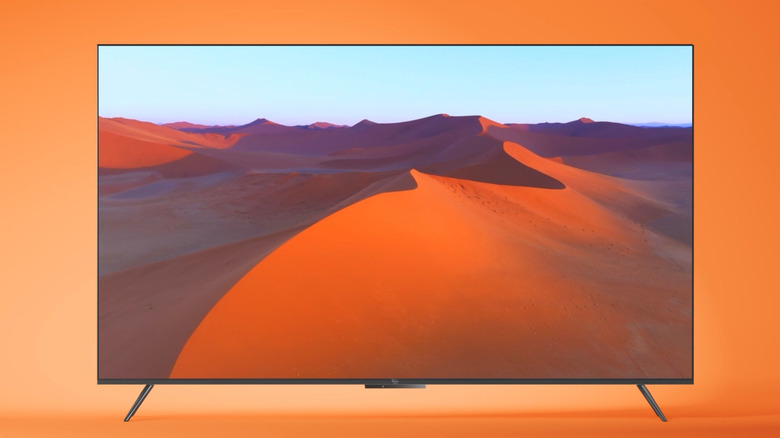
Similar to Roku, Amazon licenses its operating system and interface to other TV manufacturers. But over the last couple of years, Amazon has also been making its own TVs. The Ember Mini LED Series is the company's 4K HDR flagship that tops out at 144Hz. It's available in four sizes, supports all major HDR formats, and is a few hundred dollars less than the Samsung QN90F.
When our pals at TechRadar took a look at the Ember Mini LED, reviewer James Davidson was impressed by the Ember's picture quality and gaming performance. Similar to Roku's flagship LED lineup, the Ember Mini LED has HDR support, helping it perform better in various scenes. It also has a built-in game mode, and features two HDMI 2.1 ports (one of which is also the ARC/eARC port).
Fire TV OS isn't perfect by any means; it's riddled with ads and is prone to freezing and crashing every once in a while. On the other hand, the platform does a fantastic job at integrating Alexa into your TV-watching experience, with higher-end models even offering hands-free controls. If you're looking to score a nice-looking TV that doesn't skimp on bells and whistles, and doesn't cost a ton of money, you should definitely consider a first-party Amazon set.
Insignia
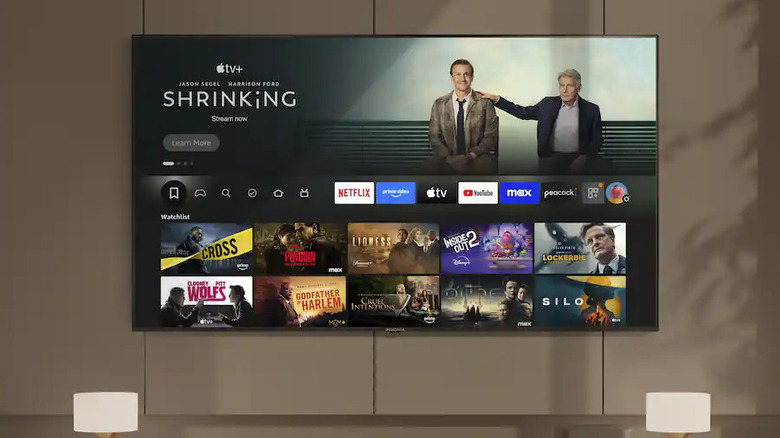
Insignia is a Best Buy house brand, and if you've been looking to score a massive TV for a great price, you're likely to come across an Insignia TV or two. Historically, the brand has produced entry-level LED TVs that challenge other budget-friendly TV makers like Hisense, TCL, and Walmart's Onn TVs. But the recent addition of the QF Series 4K Fire TV to Insignia's lineup is a solid midrange option that can compete with a couple of entry-level Samsung TVs.
Thanks to quantum dot technology, the Insignia QF Series is able to produce a wider range of vibrant colors than what a traditional LED-LCD is capable of. The QF Series also supports Dolby Vision, HDR10, and HLG picture formats, but not HDR10+. That's the one HDR format you'll gain with a Samsung TV like the Q7F Series, but you'll be trading Dolby Vision support.
Generally speaking, Insignia TVs aren't equipped with Mini LEDs, and the label doesn't pretend to be "premium" in any way, shape, or form. The QF Series essentially comprises midrange QLED TVs that cost less than $500 and looks great. The Insignia QF Series uses Fire TV OS for apps and smart home controls, as well as access to hundreds of movies, shows, and free live TV channels.
How we chose these underrated TV brands

Samsung is one of the most recognizable brands in the world. Unfortunately, not everyone can afford the TVs they make, especially once you start talking premium models. We knew it would be difficult to find "underdog" TV brands that could go toe-to-toe with Samsung's flagships, which is why we focused more on its mid-range and budget models.
We chose Roku, Amazon, and Insignia based on the wide variety of TVs all three companies offer. We also didn't mention any specific TVs that scored less than 4 out of 5 stars on Amazon and Best Buy, and did our best to highlight both pros and cons for the TVs we talked about. Last but not least, we made sure that there was at least one model from all three manufacturers that was on similar footing with a comparable Samsung TV.