

Google Gemini In Your Kitchen: Is A 3nm Fridge Actually Necessary?
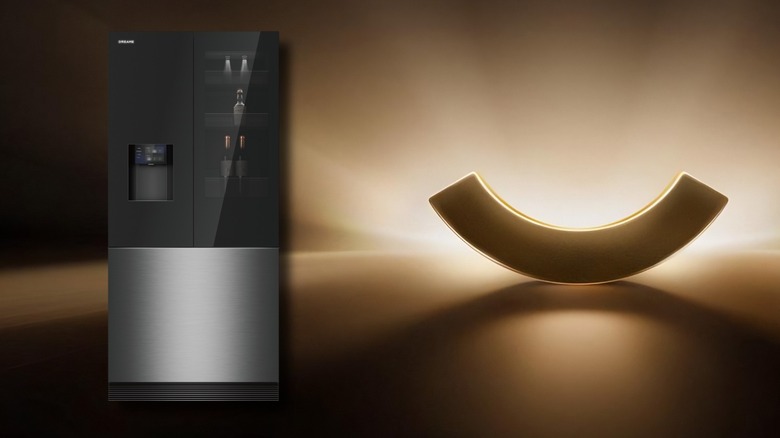
For as much time as the average person spends at home in the kitchen, appliances have historically remained the least intelligent devices in smart home setups. Most refrigerators sit in a corner and cycle cold air, which is realistically the only thing they need to do. However, Dreame is attempting to disrupt the status quo with its new N1 Refrigerator concept. Unveiled at the Dreame NEXT event in San Francisco on April 27, 2026, this particular fridge is the first major home appliance to integrate Google Gemini and a 3nm process chip.
For most, a fridge running an advanced AI model alongside bionic cameras may feel like a costly gimmick, but for those who struggle with food waste or finding nutritional advice that works for their specific body type, this combination could be a genuine breakthrough. By using hyperspectral sensors to track the freshness of 10,000 different ingredients, Dreame wants to help users stop throwing away expensive groceries. Of course, this all depends on being comfortable with biometric sensors on fridge door handles and cameras in the snack compartment.
With Google Gemini continue to integrate itself into Google Home, signifying a noteworthy upgrade for smart homes, this is a sensible time to bring a product line into Google's smart home ecosystem. Regardless, it's a potentially valuable use of AI technology that helps users rather than adding bloat to yet another "dumb" appliance with features no one will ever use. But even with that in mind, would the N1 Refrigerator concept actually be worth the money?
Silicon Valley processing power for your snacks?
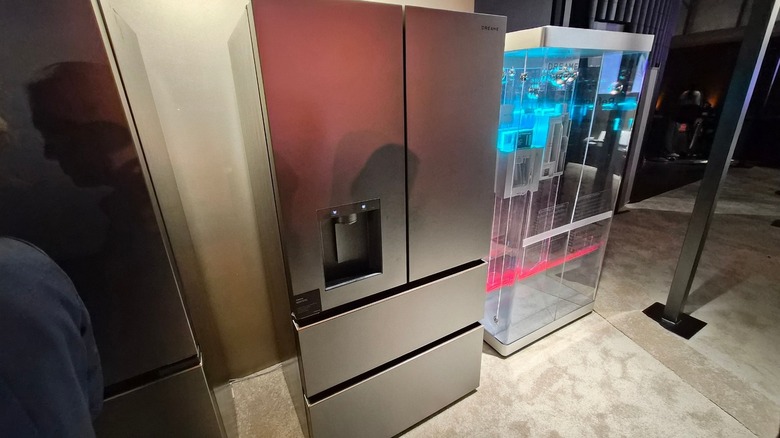
Dreame has entered a strategic partnership with Google Cloud to bring Google Gemini directly to a refrigerator, expanding the list of reasons smart home users should consider Google Gemini. But not all of these processes can be done via the cloud alone, which is why many smart fridge options have issues with lag. This is why Dreame is considering making use of a 3nm process chip, which is silicon usually reserved for high-end smartphones and is a big step above the standard 14nm chips used by industry leaders in the appliance industry right now.
Dreame claims a 3nm chip allows the N1 refrigerator to identify more than 10,000 types of food with a 97% recognition accuracy in ideal conditions. The idea that users won't have to look at expiration dates or question the freshness or nutritional value of produce is great on paper, but keep in mind that this is still just a concept.
According to Dreame, the N1 uses bionic cameras and a 32-channel hyperspectral sensor to scan groceries for freshness and nutritional content. With this technology built-in, it can suggest meal plans for kids or realistic weight management goals. As for the inevitable privacy concerns that will arise, the fridge uses on-device AI and federated learning, meaning it processes data locally rather than on a remote server.
Biometric checkups

The technology in the N1 handle doubles as a quick health screening tool. It runs millimeter-wave radar technology that recognizes users as soon as they touch the door, which some may find invasive and other will likely appreciate. This sensor system captures 20 different health indicators in a single scan, determining which member of the family is present based on their body dimensions. It then synchronizes this information with smartphone and smartwatch apps to build a complete metabolic profile, predicting body weight trends with a supposed profiling accuracy rate of at least 85%.
It's a proactive approach to body weight management that does feel rather invasive on the surface, but this product is aimed at users who are serious about maintaining a healthy lifestyle and probably already track their fitness goals on their smart devices. It might, for example, suggest to drink more water after an intense workout, breaking down information barriers between a user's body requirements and what they're actually consuming.
All of the onboard data processing is important, but what about when the data is shared with another device that processes data in the cloud? Apple's recent announcement that its next-gen Siri offering will be powered by Google Gemini raises even more questions about onboard data being shared to more devices, especially when personal data from a device that feeds the family — possibly including children — is involved.
The robotic edge
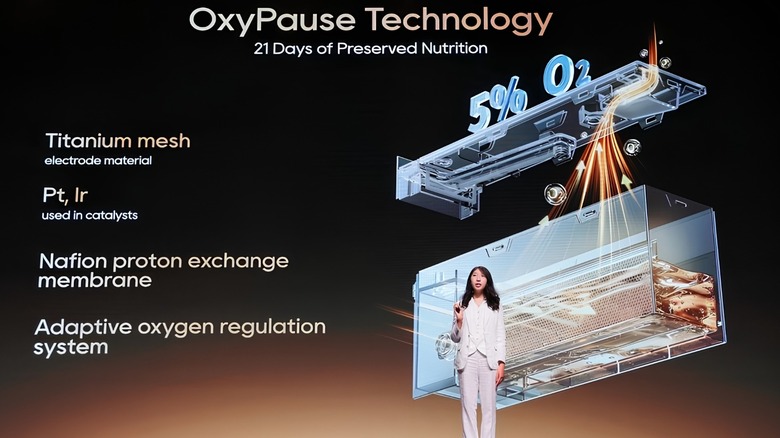
Beyond new silicon chips and software, Dreame also introduced OxyPause Technology, which keeps produce from rotting. It uses a solid-state electrode membrane to maintain oxygen levels at roughly 5% inside a dedicated preservation drawer. Dreame claim this environment can extend food's shelf life to 21 days.
In internal tests, Dreame found that OxyPause Technology increased anthocyanin retention by over 231% after 15 days of storage. In terms of physical improvements over the standard smart fridge formula, a robotic arm can take groceries from a user and sort items internally. All great features, but these feel more like showing off than evolutionary additions.
The N1 Refrigerator is also setting out to reduce plastic waste with its sparkling water system. It applies Henry's law to it's internal plumbing, mixing gas and water quicker to provide bubbles without the wait. Dreame estimates this could cut out 10,950 plastic bottles for a family of three over 10 years, saving them $5,110 in bottled water costs. Looking over the N1 Refrigerator concept, the 3nm chip and robotic arm need to be tested in real-world situations to see their true benefits, but the OxyPause Technology looks promising for families trying to cut down on food waste. Regardless of this becoming a real commercial product or not, the Dreame Next event provided an interesting peek into one potential future of smart kitchen appliances.