

Do You Really Own The Movies You Buy On Amazon Prime?
Amazon Prime Video is one of many streaming services vying for your monthly patronage in 2026. Unlike Netflix, Hulu, and some of the other top streaming platforms, Prime Video allows you to buy or rent movies and shows, in addition to streaming. Any media you've purchased is stored in your Amazon account, and you can watch titles both online and offline if you download them. But you don't actually own a teeming library of cinematic or episodic content. Amazon, as well as any other media provider that lets you buy movies and shows like Apple TV, is really just loaning them out to you.
When you buy or rent a movie or show from a streaming service like Amazon Prime, all you're doing is purchasing a limited digital license. Think of it as a glorified permission slip to be able to watch a film whenever you so please, with a few caveats. The first is that you need to have an active Amazon account. That doesn't mean you need a Prime membership, as you can rent content without a subscription. Amazon also needs to possess the streaming rights to the title you've purchased. Unfortunately, it's the latter caveat that can get a bit tricky when it comes to digital viewership.
Many streaming apps build a bulk of their libraries from licensed content rather than originals, be it a movie or multiple seasons of a binge-worthy show on Prime. That means that a distributor like Universal is allowing Amazon to allow its customers to buy a license to watch a movie or show. Should Amazon decide to let its licensing lapse (as it did with this Reddit user's movie), the distributor has the right to pull the content, which means it'll likely be removed from your Amazon account, too.
Owning physical media is also just owning a license to watch it
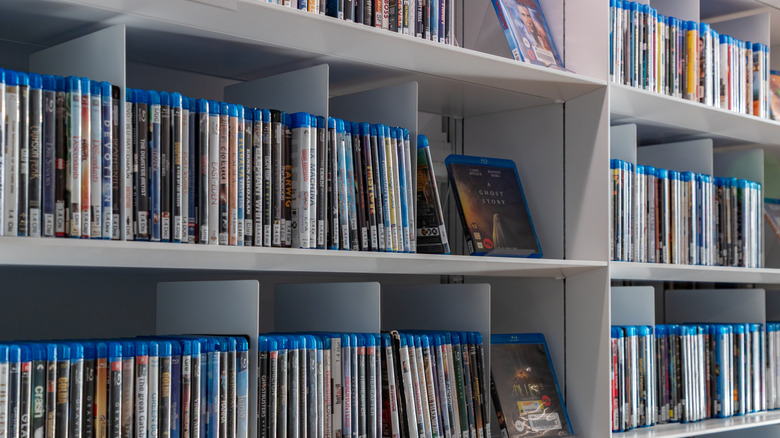
Ditching streaming for physical media can be a real treat for movie buffs. The same goes for hi-fi enthusiasts who enjoy adding to their vinyl record archive, and video game collectors who can't help but buy another disc or cartridge. But you don't technically own any of those media forms either; the physical product is the license that allows you to consume the movie, show, music, or game privately.
You don't own the copyright to any movie or show on your entertainment shelf, which is why you could get into trouble if you decide to distribute duplicated media in any way, or exhibit it transactionally (e.g., a large, public watch party you charge entry for). One exception is when media enters the public domain, meaning the copyright is no longer valid. A recent example is "Steamboat Willie," a 1928 Disney animated short that stars an older design of Mickey Mouse that entered the public domain is no longer protected. Disney's copyright expired, which means the "Steamboat Willie" design can now legally be shared, performed, reused, repurposed, or sampled. Educational purposes and fair use are other exceptions to typical copyright restrictions.