

6 Cool Features That Have Disappeared From Samsung Galaxy Phones
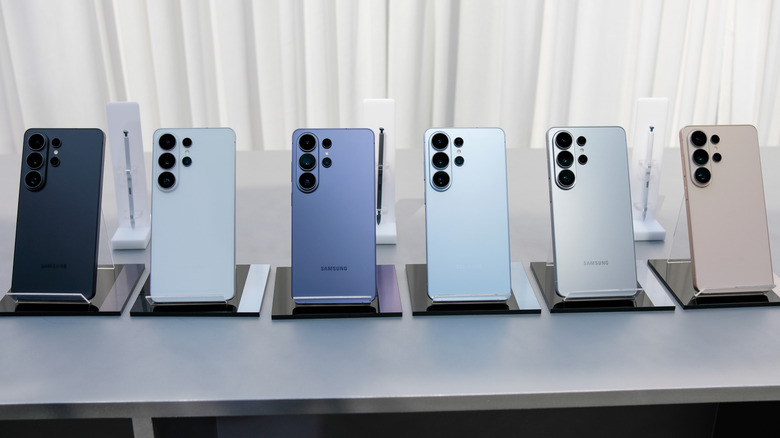
Smartphones have changed the world in a huge way, bridging the gap between reality and science fiction with every passing year, thanks to so many different apps and features. Features tend to be a big draw for a lot of consumers, especially when they're exclusive to the brand. Samsung continues to reign supreme on the Android side of the market thanks to the many capabilities its flagship handhelds offer. Unfortunately, over the years, the brand has removed some of the most beloved (and some not-so-beloved) features from its devices.
Some of the features Samsung did away with weren't exclusive to the brand, but it nonetheless removed them from its flagships. Others were features that only Samsung Galaxy devices have, and many loyalists miss and continue to lament their absence. Sure, users could jump ship to another brand if it offers that feature, but it's not easy when you're a fan of a specific brand. All you can do is hope that the feature will return one day.
Iris scanners
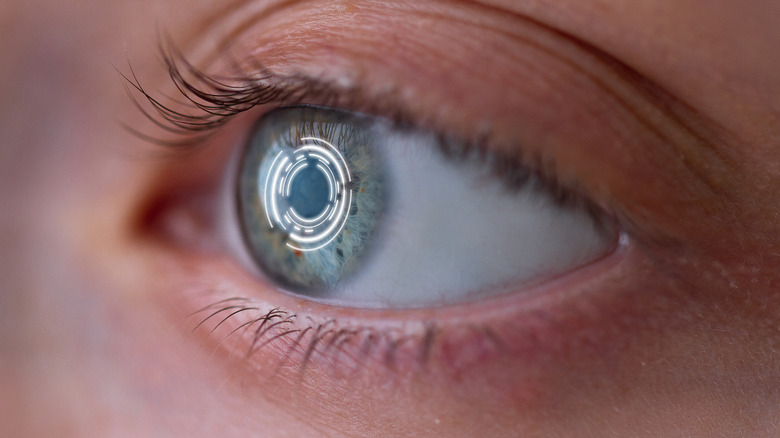
Iris scanners seemed to be something out of science fiction, and you might be surprised that you don't see them on more handhelds in 2026. Like fingerprint scanners and facial recognition on your smartphones, the iris scanner was a security feature that scanned your eyes before unlocking your device. Samsung experimented with this technology when it launched the Galaxy Note 7, letting users unlock the device and activate Samsung Pass. It was also used by large businesses so authorized users (employees) could unlock certain workspace apps.
Samsung eventually did away with the iris scanner by the time the Galaxy S10 launched, unfortunately. It likely went away because Samsung found fingerprint scanners to be more accurate. You might expect a device that scans your eye before unlocking to be extremely secure, but a group of hackers managed to bypass Samsung's iris scanner on a Galaxy S8 only a month after the handheld launched. The group simply used an image of the device's owner's eye, according to The Guardian.
Heart rate and Sp02 monitor
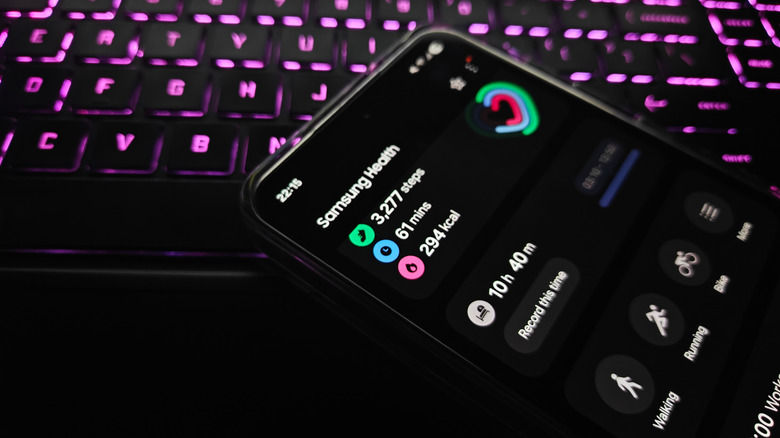
Samsung first included a built-in heart rate monitor with its Galaxy S5 phone and Galaxy Note 4. It was a simple feature to use: Just put your finger on the back of the phone, where the sensor was located, and let it do its thing. It was especially nice for those who are health-conscious. The Galaxy S6 then added an SpO2 monitor for users to measure their oxygen saturation (how much oxygen is in the blood). Using it was similar to using the heart rate monitor; simply place your finger on the sensor on the back of the device.
Sadly, the Galaxy SE10e lacked a heart-rate monitor. After the S10 and Galaxy Note 9, both the heart-rate monitor and SpO2 sensor vanished and haven't been seen since. Samsung likely opted to forego these sensors because of the growing popularity of wearables like the Samsung Galaxy Watch, which tests out groundbreaking tech from time to time. Many users prefer smartwatches for their health-tracking features.
Expandable storage
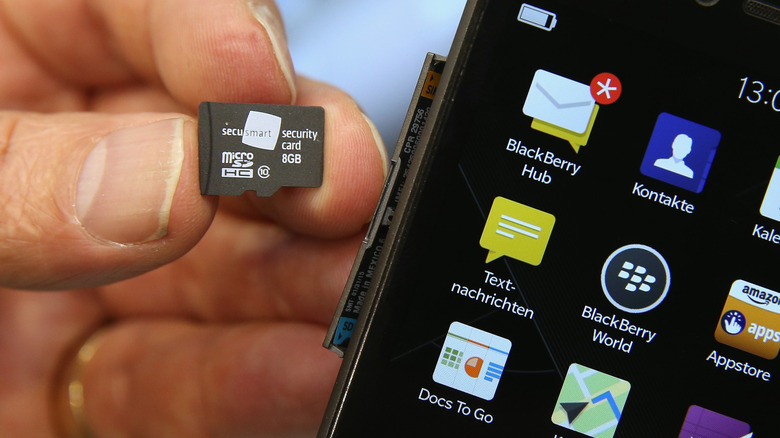
You don't have to be a millennial to remember getting a microSD card for your phone so you could save as many pictures and videos as you wanted. Some other Android devices still use them, so don't toss out your old microSD card just yet. Expandable storage is a nice feature to have because you aren't locked into a device's internal storage capacity, which could be as little as 250GB. And if you know anything about the era of TikTok and taking pictures of everything and anything to send to friends, then you know that's not enough for most people.
Well, Samsung said too bad and did away with microSD slots on its handhelds because consumers can't have nice things. The Galaxy S6 in 2015 was the first Samsung device to lose this feature, but the brand must have seen how bad an idea that was because it brought it back with the Galaxy S7. Fans rejoiced, and Samsung kept it for a while longer, only to indefinitely remove it by the time it rolled out the Galaxy S21. It hasn't returned since, but perhaps one day it will. Hopefully. For the time being, you have to rely on a combination of internal and cloud storage.
LED notifications
LED notifications were such a nice feature to have because if you keep your phone on silent, the blinking LED lets you know some sort of notification is waiting for you to check on it. Sadly, this feature went away at a time when Samsung was focusing its design efforts on making an edge-to-edge screen. LEDs simply didn't mesh with this new design because they would require real estate on the screen. Users rejoiced when Samsung announced details about the Galaxy S10 because it would keep the headphone jack, but that joy quickly dissipated when they discovered the phone would eliminate the LED.
The last time a Samsung Galaxy device saw the LED notification light was in 2019 with the Galaxy S9 line of phones. People enjoyed this feature so much that some developers created an app to bring it back with the Galaxy S10. This is just another feature users will have to hope returns one day, but for now, it's gone. Samsung did, however, introduce Edge lighting as a replacement for the LED light. This feature turns the entire edge around your Samsung's screen into a notification light, but it's not as subtle as the LED
IR blaster
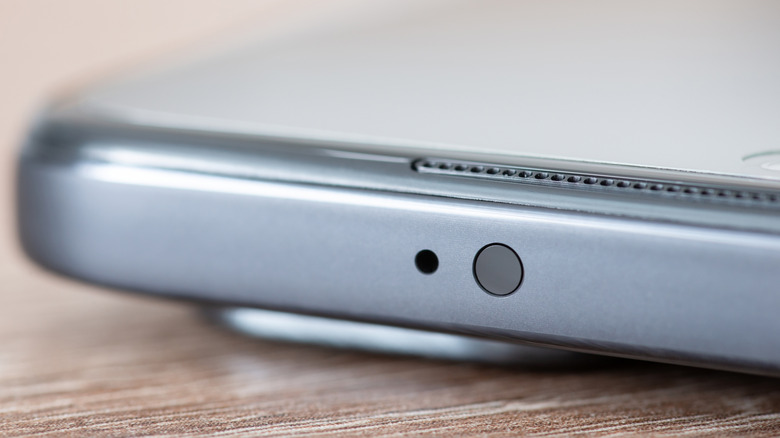
The infrared (IR) blaster was a favored feature by many Samsung loyalists and a major draw to the Galaxy line. This feature lets users control their TV and other devices — anything with an IR remote — from their phone. A user on the Android Central forums emailed the tech giant in 2016, informing it that they and other Samsung users loved the IR blaster and asked for the feature to return. Samsung surprisingly responded with a rather lengthy email, but it didn't say anything of substance.
The fact of the matter is that smartphone manufacturers can see which features are being used and how often. Samsung likely saw that it wasn't used as often as its supporters thought and saw a way to cut costs for future devices. The Galaxy S4 from 2013 was Samsung's first Galaxy phone to have this feature, while the Galaxy S6 was the last. Until Samsung brings the IR blaster back on its Galaxy phones, we'll all be relegated to our boring remote controls.
Edge display
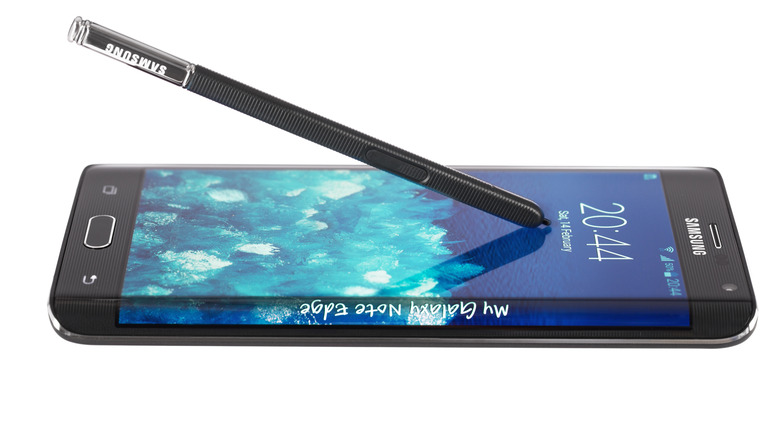
The Galaxy Note Edge from 2014 had a visibly pronounced edge on its right side that curved off the, well, edge of the phone. This was sadly the only Edge device where the beloved feature was this prominent. It allowed quick access to your most-used apps without having to swipe away from the screen you were on, while also displaying the weather, local temperature, and battery charge when you weren't using it. The curved-edge feature continued onto the Galaxy S6 Edge, S7 Edge, and all the way to the S23 Ultra in 2023. There's the Galaxy S25 Edge, but it didn't have the nerve to feature a curved screen.
The Samsung Edge Display still exists in a manner of speaking as the Edge panel. It's a swipeable feature that sits offscreen until you need it. If the feature is enabled, it's visible as a subtle gray bar on the side of the screen, adjacent to the side button. When you swipe left from the gray bar, an edge panel will appear, acting as a quick way to switch to a different app. Sadly, it takes up real estate on the screen. Samsung could have continued with the curved edge design on its Edge phones, but because it wanted to make its handhelds thinner and thinner, it no longer exists.