

5 Disadvantages Of Android Tablets You Should Know About

Android tablets have a lot to offer — big screens, varied prices, and a wide range of apps — however, prospective buyers should take some disadvantages of these devices into account. Over the years, the market has grown significantly, and tech companies such as Samsung and Xiaomi have made major investments in positioning their devices as cheaper alternatives to the iPad — but the experience still falls short in some ways.
This variety is precisely why Android tablets disappoint. When it comes to the iPad ecosystem, developers have optimized a significant portion of popular apps for the device. Apple only produces a handful of devices each year, so it's easier for app developers to make everything run smoothly across them. Since the Android tablet scene spans so many more devices, most tablet apps available on Android usually just stretch the phone versions onto the larger screen.
This results in clunky interfaces and limited capabilities, which can provide a poorer experience. But that's not to say an Android tablet is inherently a bad deal. Rather, before investing your money into an Android tablet, you should understand a few of the disadvantages.
Paying for premium hardware can't make up for software shortcomings
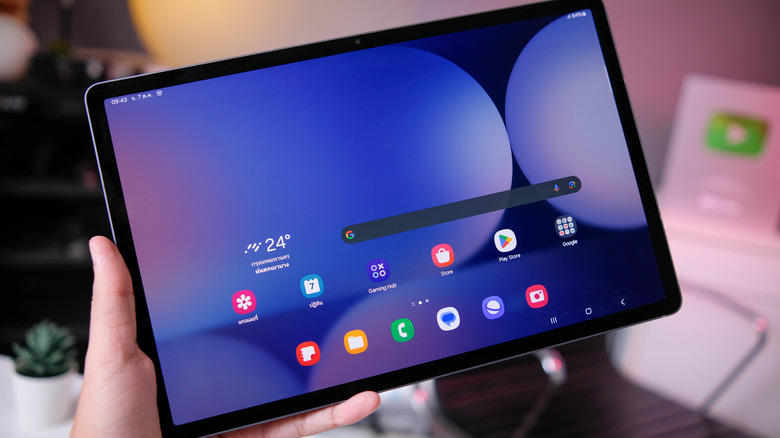
Buying a cheaper Android tablet can make a lot of sense — it can be a great value buy for someone who just wants a secondary screen for watching Netflix or reading comic books. But the value proposition decreases as you pay more, and at a certain point, you may be better off spending the same money on an iPad. The logic behind this one is simple: Flagship hardware carries a premium price that the Android tablet app experience often can't keep pace with.
For example, at launch, a Galaxy Tab S10 Ultra from Samsung cost more than an entry-level iPad Pro — and on display specs alone, that can seem justifiable. The 14.6-inch AMOLED screen is larger than any iPad panel and outperforms the iPad Pro M4 on DCI-P3 color gamut coverage, which matters for photo editing, drawing, and video work. Where it falls short is in the apps built to utilize those advantages. Procreate remains an iPad exclusive, professional creative tools are generally more mature on iPadOS, and Android tablets have a well-documented history of apps that will treat that beautiful 14.6-inch screen like a big phone.
For those who want a device with a bigger screen but do not want to enter the Apple ecosystem, a large-screen smartphone often makes more sense than an Android tablet. Foldable models, such as the Galaxy Z Fold 6, also are a good option here, since they deliver the best of both worlds and represent a purchase that makes more sense than many tablets.
Android tablets slow down faster than you might expect

Many different Android manufacturers produce tablets, and while this variety helps anyone who wants specific hardware, it can cause long-term optimization problems. Apps usually do not run the same way across different hardware, and some Android manufacturers contribute to this with poor software update support. Research into how long Android tablets actually last shows they often lose speed and smoothness faster than expected, even for expensive models.
It's a common complaint that, after a few years with an Android tablet, the device starts to exhibit slowdown and stuttering when performing simple tasks. Even if you only use your device to read emails or watch videos on a streaming platform, these issues can happen anyway. Performance degradation does not depend only on your usage patterns, but also on support from the manufacturer.
This can make choosing an Android tablet harder when you're interested in using your device for many years. An iPad, on the other hand, usually has much longer software support from Apple — for instance, the first-generation iPad Pro 11-inch launched in 2018 and received Apple's iPadOS 26.5 update in May 2026.
Android tablet cases and accessories can be hard to find
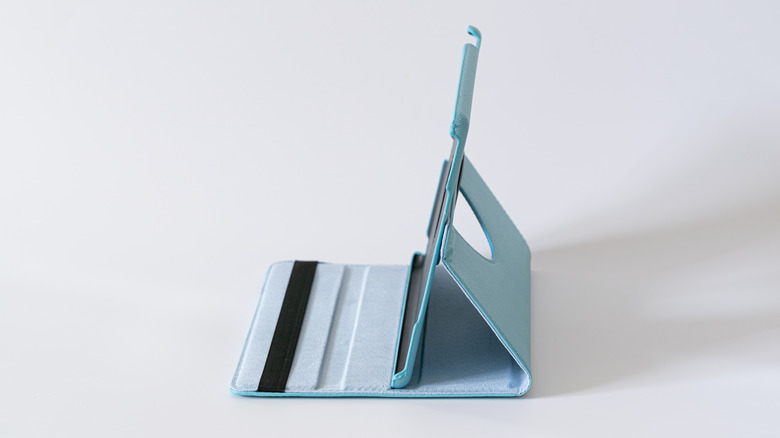
Since Apple releases only a few different iPad models and still holds more than half of the worldwide tablet market share, finding iPad accessories is easy. Without much variance in size and specifications, third-party companies that make these products can easily produce them at scale. So, cases, keyboards, screen protectors, and other similar products are abundant, even for older models.
With Android tablets, depending on which brand you buy, the lack of accessories can become a major challenge. Each company uses its own measurements, fittings, and other specifications. As a result, finding high-quality products for your device can be harder, even if they do exist, since not every retailer wants to keep one of these products in stock.
For some brands, such as Samsung models, finding accessories can be easier — but the same does not apply to other less popular tablet brands. And often, after a model leaves production, official products for it also leave stores, leaving only third-party options — a well-known challenge even for older Android tablets that are still worth buying after their production ends. This mainly affects users who want to use the same tablet for many years.
OS and security updates are highly inconsistent
Another disadvantage you may face when buying an Android tablet is the inconsistency of OS updates these devices can receive. Since Apple has full control over both hardware and software, iPads can last significantly longer than Android tablets, with the iPad Pro receiving almost eight years of support from the company.
The firmware situation on Android is a bit different. Google maintains the open-source Android operating system, but the individual tablet manufacturers typically adapt the OS in their own way, adding custom interfaces and distinct features to make their devices stand out. So after Google issues an upstream Android update, each company has to reapply its vendor-specific changes before passing the update along to the end user, and their support tends to vary a lot.
Samsung promises around seven years of support for its flagship tablet models, but not every manufacturer offers such a long update schedule. Many midrange tablets and models from smaller brands become outdated within a few years. In these cases, even when the device works well, the lack of security updates can put various types of information at risk, such as emails or banking data.
Android tablets don't have the same ecosystem as iPads
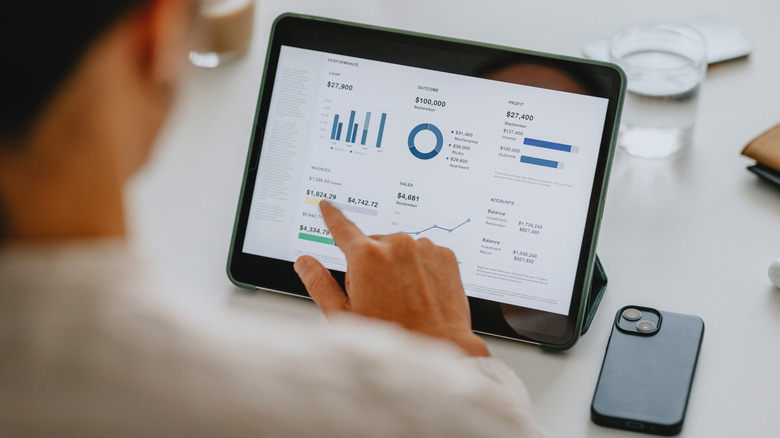
iPads offer excellent integration with Apple's other products and its ecosystem — for example, you can often start a task on one Apple device and then finish it on another. You can also copy text, images, or files on one Apple device and paste them on another, and some apps let you pick up where you left off across devices.
If you want something similar with an Android tablet, it might be hard to find that kind of integration. Each brand usually handles these types of features in different ways across its own devices. For instance, Samsung offers similar continuity features when its tablets are used in conjunction with Galaxy phones and Galaxy laptops. But that's more of a rarity when looking at the Android tablet market on the whole.
So if you have devices from two different brands, but want to keep a certain level of integration when switching from one device to another, you probably won't be able to do it with the same ease. The experience can be simulated with third-party apps, account syncing, and features like Quick Share, but it will not feel as seamless.