

7 Common Mistakes People Make When Buying A Smartwatch

In many ways, the smartwatch could be seen as the pinnacle of convenient technology. It's small enough to fit on your wrist, plus advanced enough to manage your schedule, communicate, and tap into the wellspring of knowledge available online. Building off the position that watches occupy in the fashion world – where no other accessory can be so stylish, making you feel like James Bond when you wear it — it's no surprise that smartwatches have become as popular as they are.
But before you get caught up in the excitement of buying something new, interesting, and cool, there are a few things you should keep in mind. Not all smartwatches will suit everyone. There are numerous different brands and models, each with its own degree of functionality, compatibility, and style. This leads to a handful of common mistakes people make when buying a smartwatch. Avoid these mistakes while you're shopping, and you can save yourself from an expensive case of buyer's remorse.
Disregarding compatibility

Smartwatches are most commonly designed to be extensions of a smartphone. They act as a more immediately accessible and less intrusive interface for calls, texts, and anything else your phone might already be managing. Because of that, the level of functionality between a smartwatch and your smartphone is important.
Start with your operating system. Do you use iOS or Android? You'll need to ensure the smartwatch you're looking at works with that. What specific phone model do you have? Many major phone brands have their own smartwatches, specifically designed with compatibility between their products in mind. That said, they don't only work with that brand's own models. The Samsung Galaxy Watch is intended for the Android-based Galaxy phone line, but some older models are compatible with iPhones and other third-party phones.
Don't assume you have to get a Google Watch because you have a Pixel phone. Find the smartwatch that has the features and design you like most, and check whether it's already compatible with your device. You might find that a third-party smartwatch offers the compatibility you need.
Going beyond your budget-to-value ratio

Like any piece of technology, smartwatches have a wide spectrum of prices and features. Smaller, third-party watches with a more niche focus and fewer functions will cost less than a name-brand watch with all of the most advanced hardware. Exploring all the different features and sophisticated designs can quickly make a budget-friendly purchase become a bank buster.
Deciding on a price range you're comfortable with, as well as a list of most-valuable features, can help you narrow down the best smartwatch for you. Do you need expansive health data tracking but don't care about managing calls or tracking the weather? A fitness tracker-style watch might have everything you need for half the price. Explore other brands, as well. There are cheaper Android smartwatch alternatives to the Apple Watch.
If budget isn't really a concern, then compare the smartwatch you have your eyes on to similar devices. The latest models might sound appealing, but look at the specs. Does it offer a meaningful upgrade to other potential options. The Apple Watch Series 11 is not worth it, some argue, considering the Series 10 is almost identical and available at a lower price.
Not considering comfort

Watches are, first and foremost, something you wear. A smartwatch does you no good if it's kept in a purse or pocket. Making the most of your new smartwatch means wearing it for long periods of time, which can be hard to do if you find it uncomfortable. Not everyone enjoys the feeling of silicone wrapped around their wrist; oyster straps, while stylish, might tug at arm hair; and mesh bands might provide a wider range of sizing, but can become loose with too much activity. Also, a larger screen or battery can be heavy.
There are a handful of ways to approach this. Smartwatches that offer interchangeable bands are the best way to avoid this problem. If you don't like how the provided straps feel, you can replace them with a different size, material, or design. If you have a tech store nearby, you might be able to visit it in person to try the smartwatches on for yourself. Depending on your needs, you might be able to settle for a smart ring instead. Try before you buy — but also have a plan ready in case you find your new smartwatch irritating on the wrist only a week after buying it.
Committing to a specific style
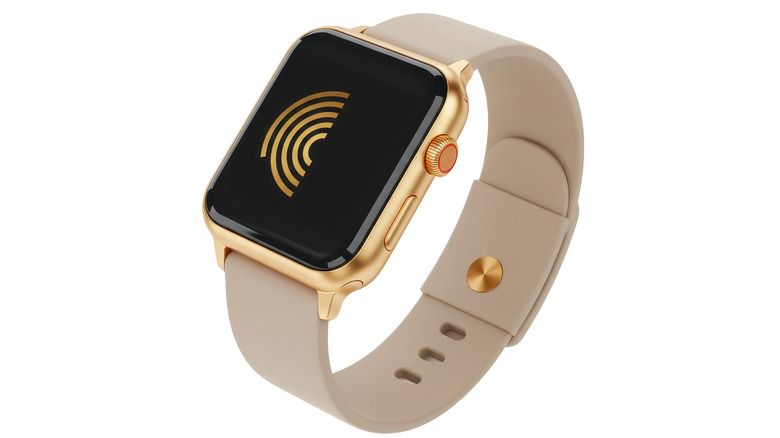
Watches have a long history as a fashion accessory, and what might look good for a formal event won't look good while hiking, and vice versa. While some folks might have a watch for every occasion, most people won't have more than one smartwatch. This makes the style behind your purchase all the more important.
Consider your lifestyle. Are you an active spirit, rock climbing and camping every other weekend? Do you go to business luncheons three times a week, striking deals with corporate executives? Your smartwatch should reflect your most common lifestyle. A gold-plated smartwatch can give a strong impression, but it'll look (and feel) out of place in more casual environments.
Most smartwatches have customizable watch faces, which might be the only change you need. The Samsung Galaxy version has some of the best watch face apps. Consider visual real estate, as well. A large screen is convenient and can provide more functionality, but a thinner, more discreet model can blend into a large variety of social situations.
Expecting a ton of apps
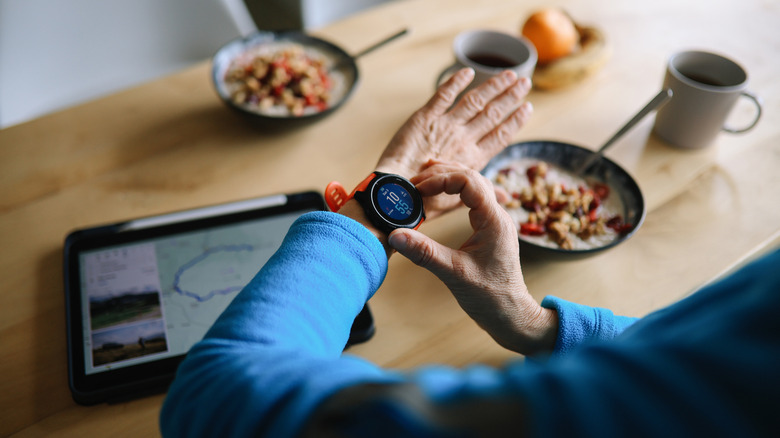
There's a smartphone app for absolutely everything nowadays, from quirky iOS indie games to essential open-source apps every Android user should try. And while many apps have smartwatch integration in some capacity, smartwatch-specific apps are surprisingly uncommon. Compared to smartphones, they're still a relatively niche interface that app developers may not want to commit time, money, and resources to.
With smartphones being the norm, it's normal to assume the same level of app variety from your other devices. However, this kind of expectation isn't grounded, and can lead to frustration. If you start by recognizing that a smartwatch may not actually be capable of everything, and establish what you want from the device, you may be less upset to learn that an app isn't actually available.
Sometimes, taking a moment to reevaluate what you want and finding peace in what a device isn't going to deliver is enough to make a purchase feel good from the moment you finish the transaction.
Convincing yourself with features you won't actually use
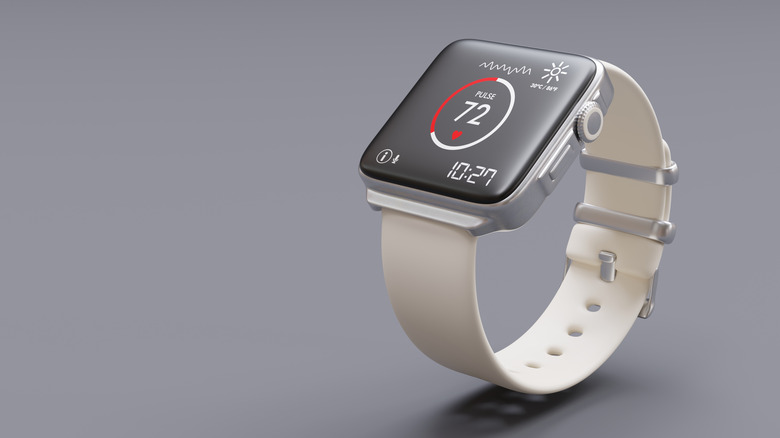
On the other hand, it's easy to become over-enthusiastic about all of the different things you know a smartwatch can do, even if you don't actually intend to utilize them. Many mainstream smartwatches are chock full of features and tech, presenting themselves as attractive amalgamations of utility. Often, smartwatch owners will invest in a specific model with that in mind, only to find themselves remorseful a few years later when they don't actually use any of those features.
Ask yourself something — will answering texts through the watch's interface actually be a quick and convenient alternative, or will it be simpler to just pull out your phone and answer the usual way? Do you really need instantaneous access to the current weather? Are you already tracking your daily steps and heart rate, or are you telling yourself that you'll start a fitness regime once you have a smartwatch? Sure, there are some quality under-the-radar Apple Watch features you could be using, but not everyone needs a sleep apnea detection mechanic.
Take stock of what smartwatch features appeal to you, and which ones you can reasonably expect to make regular use of. You may find that you can get all of the features that actually matter to you in a more modest smartwatch for half the price.
Disregarding constant connectivity
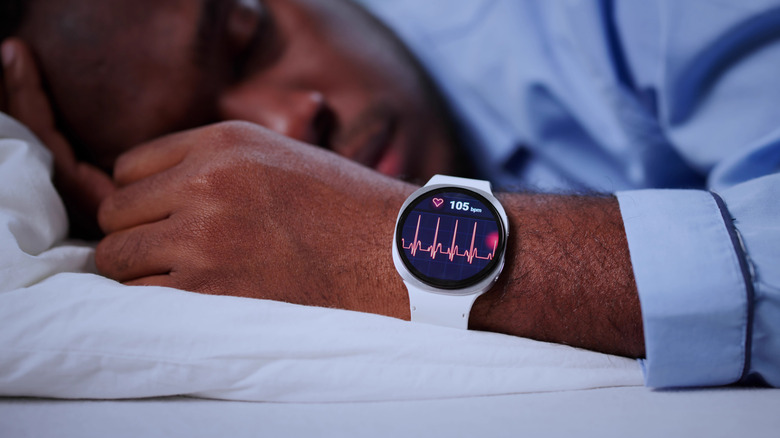
Depending on your lifestyle, a watch is an all-day accessory. You wake up, get dressed, put your watch on, and go about your day, not taking it off until it's time for bed. When it's a smartwatch, there's an even greater motivation to keep it on all the time to ensure you don't miss the sleep tracking features, or any important notifications.
But that's exactly where the problem lies. A smartwatch provides constant, immediate access to things like texts, emails, news feeds, and health data. While some users enjoy this, you may find yourself more stressed out from always being "plugged in" to the digital world. This is a common problem with new smartwatch users who aren't prepared for the constant connectivity.
Healthy digital management and good mental health comes from recognizing when your access to the internet might be causing more stress or anxiety than it should, and being able to step away from that. Anyone prone to these problems might want to invest in a less feature-rich smartwatch or one with a wider degree of notification customizability. You could also intentionally choose a watch with a shorter battery life, using the charging time as an excuse to unplug for a while.