

5 Uncomfortable Truths About Apple Products
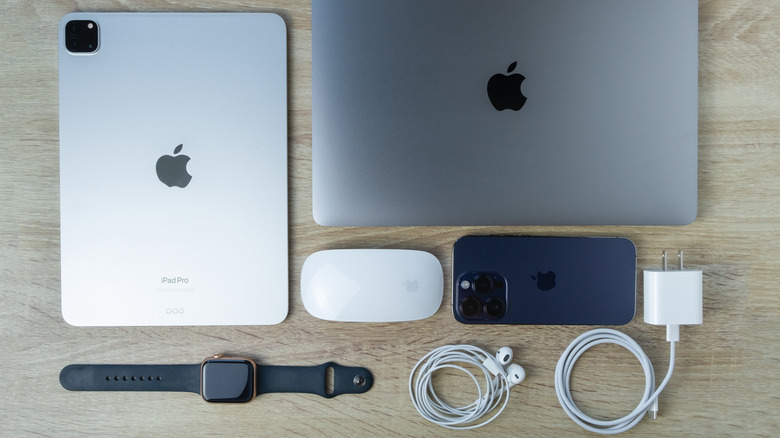
Apple is known for making some of the best and most innovative products on the market, whether it be the latest iPhone or AirPods. Even simpler products like the Apple AirTag are in demand for their quality and reliability. But all this comes at a cost, something many conveniently ignore or are simply unaware of.
The premium branding associated with Apple products means that they cost significantly more than many alternatives. We also can't ignore the restrictive ecosystem Apple has created, which keeps users from switching to other manufacturers. Once you have two or three Apple products, you are more likely to purchase another from Apple, given how deeply everything is tied to one another. And the worst part is that Apple products are harder to customize and repair. This becomes a major problem for many, especially as tech devices are skyrocketing in price.
For these reasons, even some of the most loyal Apple users have questioned whether Apple products are worth the premium pricing. These aren't necessarily dealbreakers for everyone, but understanding these uncomfortable truths before you buy an Apple product may save you from frustration and inconvenience down the line.
Apple products are relatively expensive
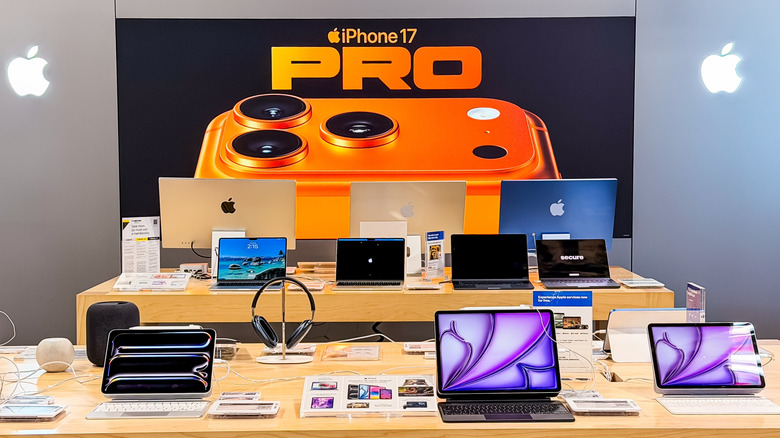
The premium pricing of Apple products shouldn't come as a surprise anymore. By now, everyone is aware that Apple products are almost always more expensive than those from competing brands. For instance, if you compare an iPhone to an Android phone with similar specifications, the former is usually pricier. Similarly, MacBooks are more expensive than Windows laptops, and iPads cost more than Android tablets with comparable hardware.
Loyal Apple users often cite better product quality, longer lifespan, enhanced privacy, and higher resale value to defend the pricing. But we can't ignore the fact that this also acts as a barrier to entry for many people trying to purchase Apple products for the first time. When you can buy decent earbuds from reputed manufacturers like JBL for as low as $50, AirPods can seem unattainable at more than twice the price.
As soon as you look beyond base models, this becomes even more evident. For instance, a 256 GB iPhone 17 costs $799, while the 512 GB model is priced at $999 — a $200 difference. Similarly, the 2 TB MacBook Air is $400 more expensive than the 1 TB model. If you plan to get accessories, that adds more to the total cost. So, you must factor all of this in before getting an Apple product, and also identify whether it's worth the price.
Apple's restrictive ecosystem
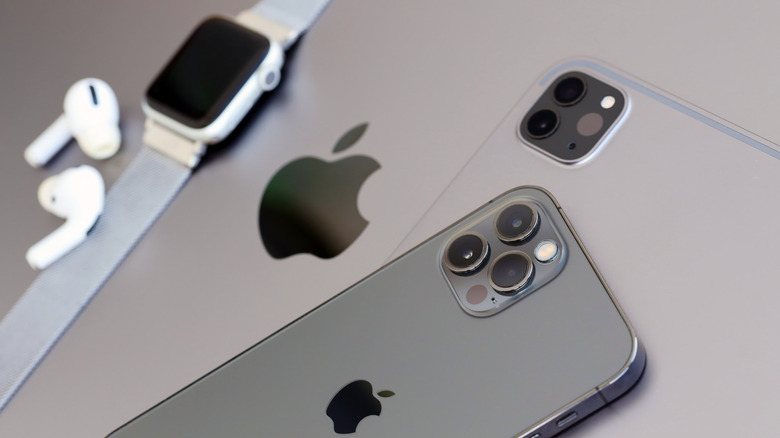
Apple's ecosystem is both its biggest strength and one of the most significant downsides. For someone who owns several Apple products, the ecosystem really streamlines the experience. But for others, say someone with just an iPhone or a MacBook, it often leads to frustration. For example, you can't easily share files between an Apple device and an Android phone or a Windows laptop. On the other hand, you have AirDrop for seamless file sharing within the Apple ecosystem. Similarly, many products, like the Apple Watch, don't work with other devices, even though users would appreciate cross-platform support. These small annoyances really add up in the long run.
The software side of things isn't much better, either. Apple only makes it easy for users to install apps from the dedicated App Store on iPhones. It's much harder to use third-party app stores, and sideloading apps on an iPhone is a hassle — at least for the average user. The European Union is an exception, as Apple had to make sweeping changes to its policies to comply with the Digital Markets Act (DMA). Japan is another exception. But in most parts of the globe, these restrictions still largely apply.
So, unless you are deeply invested in the ecosystem and have many different Apple products, it's worth considering what you will be missing out on by purchasing just one device. Similarly, if you're just starting out and want to take full advantage of the ecosystem, you should factor in the cost of purchasing several Apple products.
Products are harder to customize
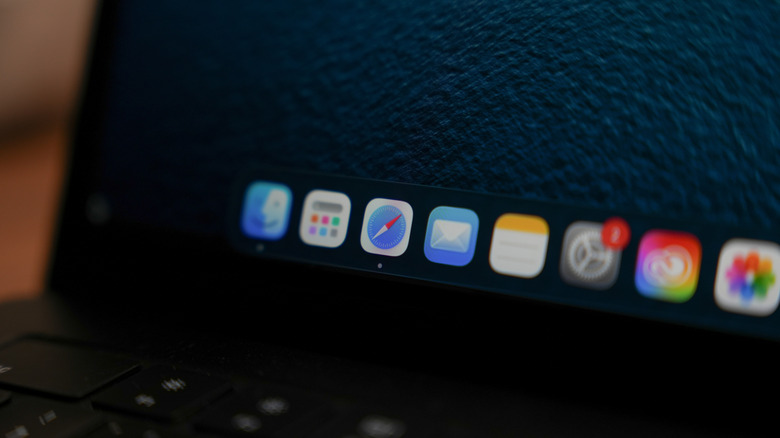
Customization isn't Apple's strong point. You can't really customize Apple devices as much as you can with other brands, and this applies to both software and hardware. Android has long been considered a very customizable OS. You can customize nearly every aspect of it, from app view and layout to gestures and much more. On iPhone, customization options are limited. Although the situation has improved in the last few years, iOS still can't match Android in terms of customization. Even Windows offers more customization options, many through third-party apps, compared to macOS.
Apple devices aren't very customizable from a hardware standpoint, either. You can't upgrade the storage or RAM on a MacBook as easily as you could on a Windows laptop. On the latter, you can simply unscrew the back panel and swap memory sticks or the storage drive. Even for someone who isn't acquainted with the process, there are countless online tutorials that will help. But when it comes to MacBooks, most components are soldered in place, making upgrades nearly impossible for the average user. This forces buyers to pay a higher upfront cost for products with better specifications.
At this point, it's also important to highlight that many Windows laptops now come with soldered RAM, just like MacBooks. Though the change has helped improve speeds, both upgradability and repairability took a hit.
Apple is sometimes behind on features
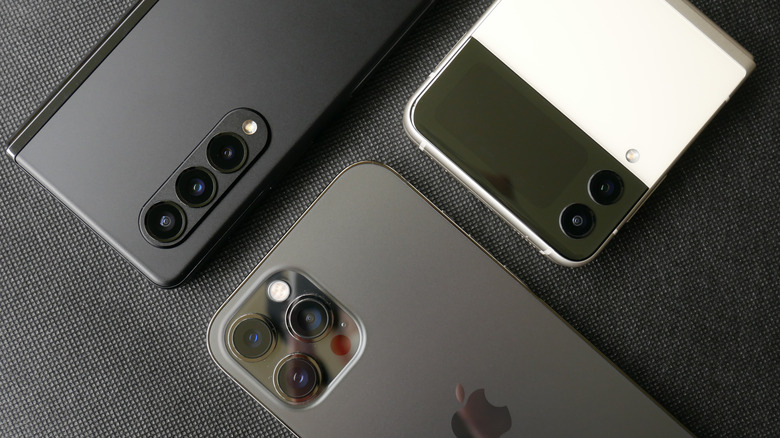
Apple products are labeled as premium, and there's a reason for it. The company takes time to refine features, and they go through extensive testing before being made available through updates to end users. This also means that many often arrive late on Apple products, features other devices have had for years. There are countless examples of this. For instance, the always-on display on Android smartphones had been available for a long time, but Apple released it only with iPhone 14 Pro. On the hardware side, we are yet to see a foldable iPhone, while Samsung has had one for years. Similarly, MacBooks still lack touchscreens, while many Windows laptops in the same price range offer the functionality.
It's not as if these features or functionalities never make their way to Apple products. They do, but it often takes longer. And while the refinements Apple integrates can make it feel like it was worth the wait for many users, others may want to try all the latest technologies as soon as they are available. If you are one of them, opting for Apple alternatives may be the smarter choice.
Repairability remains a concern
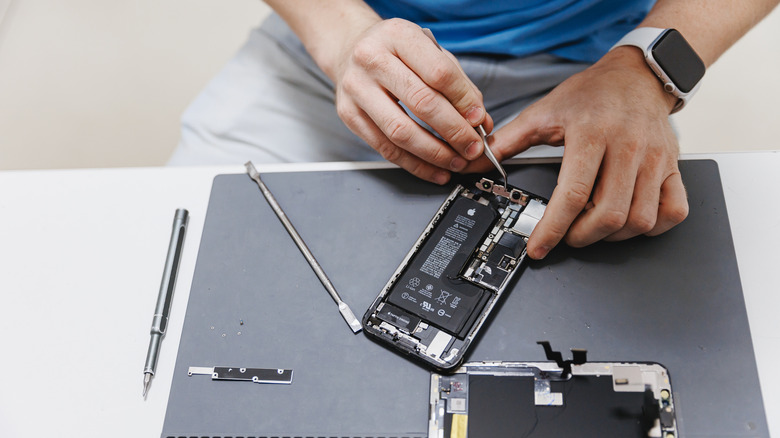
In the past decade, the right to repair movement has gained a lot of traction, with buyers now favoring devices that are easy to repair and maintain. It's not just about the ease of repair, but also the option to go with third-party repairs — something that's usually more cost-effective. But when it comes to Apple, repairability is still a major concern. Whether it's Apple's iPhone or MacBook lineup, almost all products are more difficult to repair compared to other brands.
A report from the Public Interest Research Group (PIRG) puts Apple products at the bottom of the repairability scorecard for both smartphones and laptops. Among smartphones, Motorola held the top spot, while for laptops, it was Asus. Even Apple AirPods are almost impossible to repair. On the bright side, the MacBook Neo is said to be Apple's most repairable laptop. Keep in mind that when devices are difficult to repair, it also adds to the total repair cost. And more often than not, you are forced to visit the OEM's service center. Sometimes, Apple also replaces components that can be repaired. It works from a business standpoint, but for an average user, this directly translates into additional expenses.
Having said all that, it's important to acknowledge that Apple products are well-built and offer better security. I am using a MacBook, an iPhone, an Apple Watch, and AirPods, and I haven't had major issues with any of these products. But integrating them with other devices isn't exactly hassle-free. So, always evaluate your requirements before purchasing a tech product from Apple or any other manufacturer. That's the smartest approach.