

7 Gadgets And Accessories Every Drone Enthusiast Needs
We may receive a commission on purchases made from links.
There's nothing wrong with using your drone straight out of the box without modifications. After all, everything you need to complete a flight is included, but aside from the most casual of drone pilots, some added accessories are both essential and obvious. For example, having extra batteries and a multi-battery charger is basically a necessity if you want to do more than one flight per trip. It's also usually cheaper to get those batteries and that charger when you buy the drone (something drone-giant DJI calls a "Fly More Combo") rather than buying them later.
But what about accessories that are less obvious? To answer this question, we compiled a list of gadgets and accessories that every drone enthusiast needs. Whether you're a brand-new pilot or you've been flying for years, there's probably at least one pain point you've endured that the right accessory could solve for you.
Our methodology for narrowing down these products was to primarily focus on highly rated products that solved a specific, common issue on a drone. When possible, we also tried to highlight first-party accessories (produced by the drone's original manufacturer), although the FCC's ban of major drone brand DJI has made this more difficult for the millions of DJI owners out there in the U.S. If you use DJI drones, then you'll have to be extra careful that third-party versions of the accessory types listed below are safe and of good quality.
A hard case for hard travel
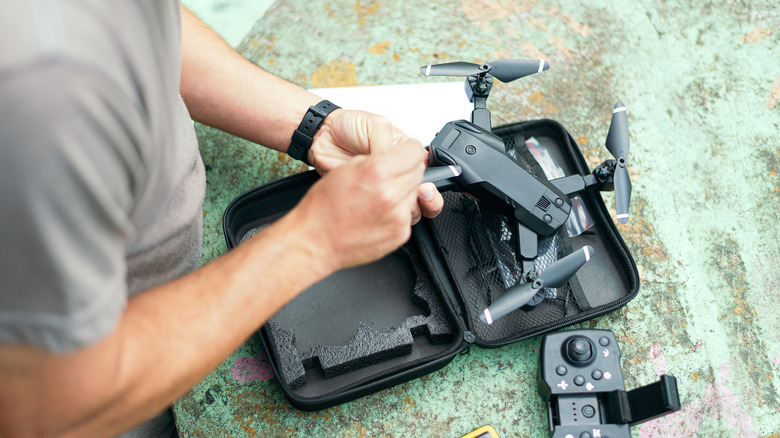
Drones are sturdy devices that have been designed to balance strength and weight, but if there's any chance that the drone can be crushed, you should consider upgrading to a hard case. Usually, a simple drone bag is more than enough for everyday storage or transportation in your car, but if you have a high-dollar drone or you're planning on traveling, a hard case will afford your device added protection. This is especially true if you move locations a lot with your drone as constant loading and unloading can lead to accidental drops and damage.
Obviously, your choice of a hard case is limited to those designed for your specific model. Some, like the Lykus Titan MM410, can accommodate a range of models, as well as your controller, charger and multiple batteries. As an added bonus, you'll look like a bona fide pro popping one of these cases open on the beach or at your local events.
A daylight hood for sunlight visibility
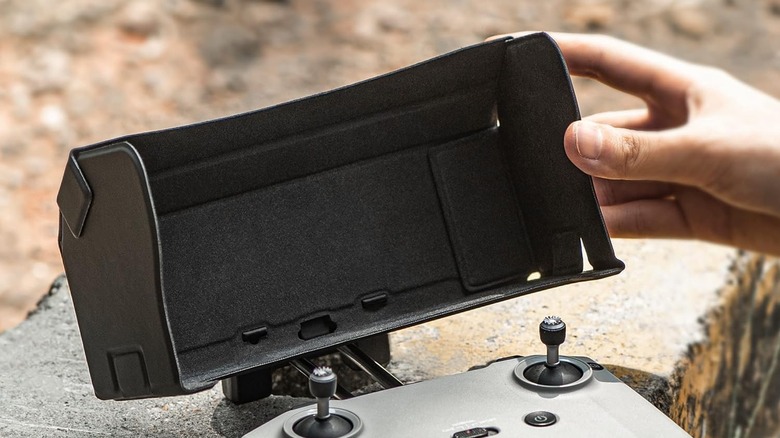
Whether your drone uses your phone or an integrated display with its remote controller, you're almost certainly using an LCD or one of the different kinds of OLED. Unlike the screen you'll find on an E Ink tablet, LCD and OLED screens don't get bright enough to overcome sunlight. The good news is that this is a problem you can fix for less than $20, without changing anything about the screens you currently use. All you need is a sun hood.
This is exactly the sort of solution you'll see professional camera operators use when doing outdoor shoots. These hoods shade your screen from the sun, making them much easier to read. There are other benefits too. Since you don't have to max out the brightness of your screen, you use less power and your phone won't get as hot. The STARTRC Sun Hood is a good generic example, and it works with controllers for a significant number of popular drones. When looking for a sun hood, we'd say that apart from materials quality and solid fit, the most important thing to look for is a hood that can fold down flat easily.
FPV goggles transform your experience
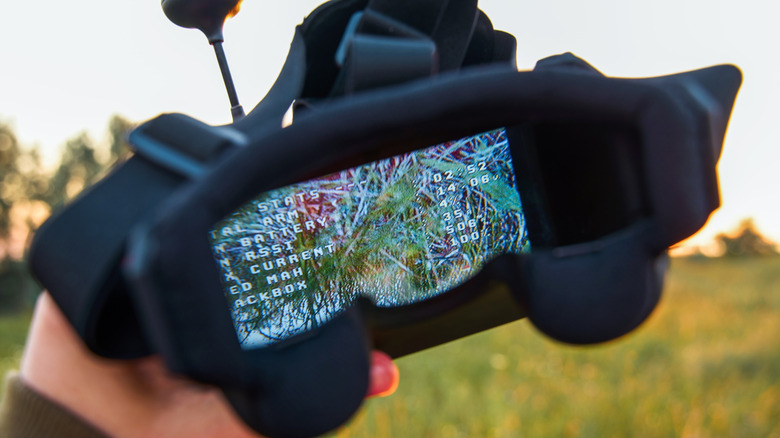
On most camera drones, the user is able to monitor the camera feed using a screen, but some models also have the option of using FPV (First-Person View) goggles. Similar to VR headsets, like the Meta Quest 3, FPV goggles contain one or more screens and a lens system to make it possible to look at this screen while it's just a few inches from your eyeballs.
FPV drone goggles became popular thanks to drone racing, and there's no arguing that the sense of speed and immersion you get from flying a drone from the FPV view has no equal. There are also many practical advantages to buying a set of FPV goggles to go with your drone. Like a sun hood, goggles solve the issue of sunlight visibility, and it allows you to fly at night without lighting up your environment. Some high-end FPV headsets have motion tracking, so you can use your head to operate the camera gimbal while piloting with your hands. This can remove the need for a second operator, which is common in professional drone shoots.
The trickiest part of buying an FPV headset is that your drone has to be compatible with it. For example, the DJI Goggles N3 only work with a limited number of DJI drones. Once you've tried FPV flight, however, you'll probably have a hard time going back to staring at a tiny phone screen.
Spare props, don't leave home without a set
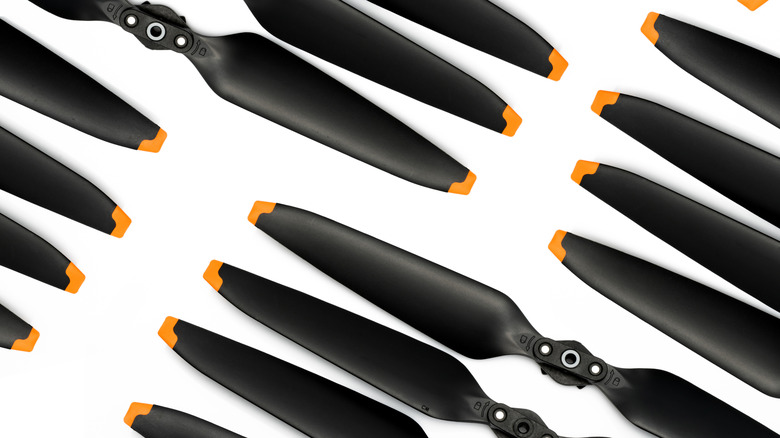
If you've been flying drones for a while, you've almost certainly gone through a situation where you see a little warning flash on screen with a message saying something like "prop overspeed error, land as soon as safe." You dutifully land, and the drone tells you which rotor isn't working right. The problem is that you can't see anything wrong with it. It turns out that if the rotor is even a little warped, it won't generate the proper amount of lift at the expected RPM.
Spare propellers are the one of the most obvious things to keep in your bag of drone gear, and, ideally, you'll always have at least one full replacement set in your kit. Sometimes spares can even be an upgrade. For example, DJI offers low-noise propeller replacements that have their own strengths and tradeoffs. It's nice to have options, after all. If your drone use is more serious, you might want to keep a few spare motors with you, along with a field tool kit so you can make repairs should something fail, or your drone is involved in a less serious crash.
Power banks and car chargers
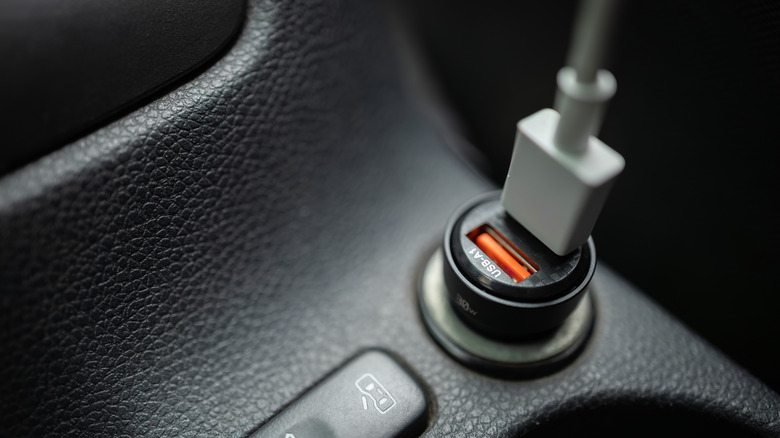
The main thing limiting your drone escapades is how much energy you have. The DJI Air 3S has one of the longest endurance ratings at 45 minutes, but even with three batteries you'll have to head back to a charging point in two or three hours. Most drones have much shorter flight times than this, so having the ability to recharge your batteries wherever you are is often the different between getting the perfect photos or footage or missing your chance.
A car charger or suitable power bank is the right answer here. As you cycle out your batteries you can connect them to recharge while you fly, minimizing down time between flights. It's especially useful if you're traveling from one spot to the next, since your travel time can now be the perfect time to recharge your batteries. Likewise, if you're carrying a small foldable drone in your bag while hiking, the drone can often charge from a power bank in your bag.
When choosing a car charger, prioritize first-party solutions for your drone. However, if the batteries charge via USB, the main thing to get right is picking a charger that matches the power requirements of the battery charger. Something like the Roadress car charger should have you covered, and the Volessence power bank is another solid option as well.
Lens filters for superior footage
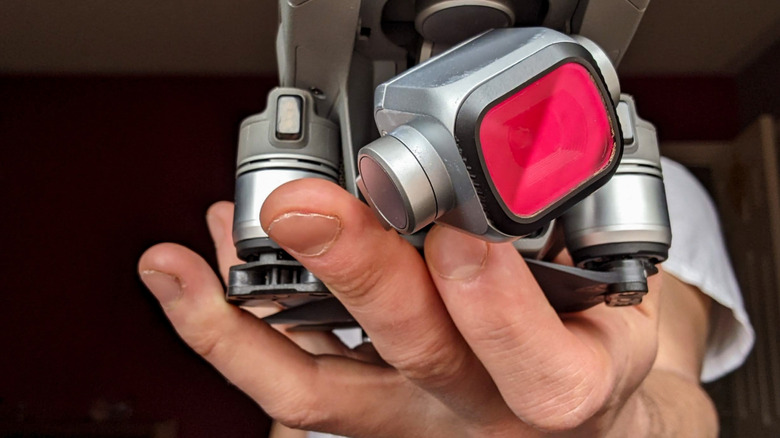
You might have looked at the amazing drone footage or photos that some people post online, and then you look at your own shots and wonder why they look so flat and uninteresting. Part of it has to do with the color work that happens in post-production — something even free video editors for beginners can do. While you should absolutely learn your way around color-grading tools, the other key part of getting good footage is using the right filter.
Neutral Density (ND) filters reduce the amount of light hitting your sensor, which means you can use slower shutter speeds without blowing out your highlights, giving you beautiful and natural motion blur. It's one way to get that cinematic look. Another option is Circular Polarizing Lens (CPL) filters, which cut out glare from shiny objects, and it's especially useful when filming the surface of water. A CPL is how I managed to get clear shots of a whale and her calf swimming under the surface. Normally, the glare from the sun would have obscured the view, but the CPL filter reduced that glare for a clear shot. When it comes to filters, it's best to have a wide variety at your disposal. For example, Freewell sells a mega pack for the DJI Mini 4 that includes filters for UV, mist, snow, and various strengths of ND filter. This lets you pick the right filter for the shooting conditions you're in, no matter what.
Cages, prop guards, and bumpers
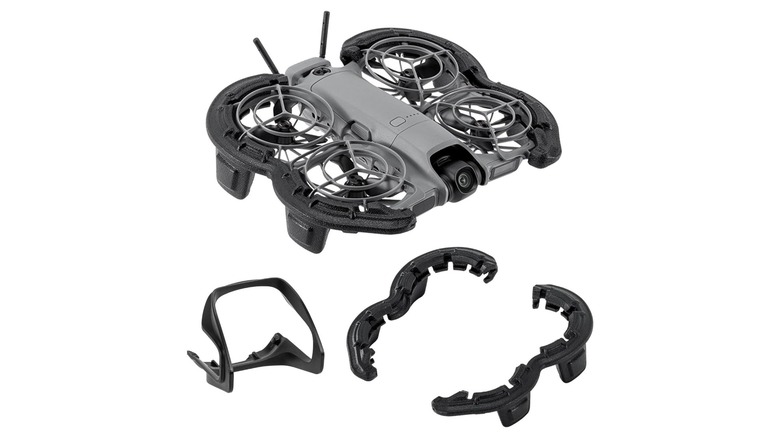
Drones might be more affordable than ever, but that certainly doesn't mean they're cheap. While the filters mentioned above serve a secondary purpose of protecting your drone's lens from scratches and impacts your device, you can also invest in bumpers, prop guards, and even full drone cages. The Gaekol snap-on kit for the DJI Neo 2 is a good example, and it includes bumpers for the gimbal and props. These soft bumpers also let the drone float, so if you accidentally "land" on water, you might still have a chance of recovering your expensive device.
There is a downside to using these attachments, of course, as it adds weight. Anything that affects how much your drone weighs or how much air resistance it has will shorten its flight times. Usually, you don't need any of this stuff when flying in wide open spaces. If you're flying between buildings, they can be an extra line of defense over and above the drone's built-in obstacle avoidance. If you need to fly indoors, they're basically essential since you don't have the benefit of a GPS lock and run a higher risk of bumping into walls and other objects.
How we decided what's essential
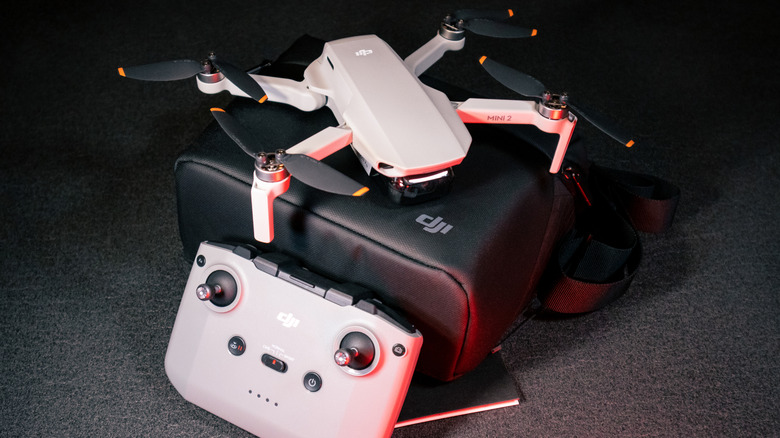
When it comes to drones, it's hard to provide specific recommendations for accessories, because, in general, accessories are specific to the drone you have and your intended use of the drone. That is why we've covered the types of accessories that are essential rather than a particular brand or model of accessory. All of the examples we did list, though, are highly rated by the people who have bought and used them, but you should consider them for illustration purposes only unless you happen to own that particular drone already. Everything on this list solves a specific and common issue that drone pilots face, and having these accessories in your arsenal will make being a drone operator easier, safer, and potentially less expensive.
The only somewhat universal advice we can give is that you should give purchase priority to parts and accessories produced by the drone's manufacturer, when possible. Using third-party (or aftermarket) parts, such as props or batteries, could lead to warranty claim issues if things go wrong, and it stands to reason that the drone's original manufacturer knows more about augmenting its design than an outsider. Still, the world of drone accessories is wide and varied with plenty of third-party brands that have established strong reputations within their niches.