

Why Are Game Consoles Cheaper Than A Gaming PC?
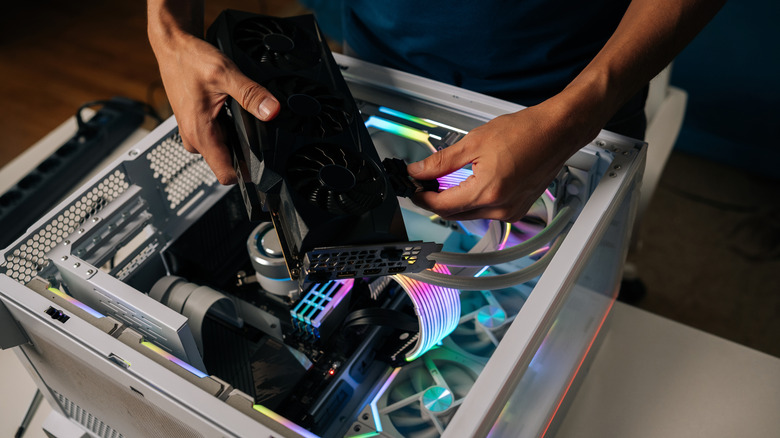
In most cases, if you list the hardware inside a gaming console and build a gaming PC with comparable components, there will be a stark price difference. That's especially true now with the shortages and cost increases in the computing world. Some of the gadgets that will see price increases due to current RAM shortages are in the same categories, including PCs and game consoles. At one time you could get away with building a cheap gaming PC. In fact, building a budget gaming PC for under $1,000 is still possible, especially with deep sales and well-timed purchases. However, on average, you'll probably spend more to build a gaming PC from scratch than if you were to buy a current-gen console.
So why are gaming consoles cheaper? There are actually quite a few reasons why that's the case. The most relevant are that computer components and parts often have a more expansive supply chain and tend to cost more piecemeal, especially GPUs, CPUs and now RAM. Additionally, console manufacturers often sell their systems at a loss, subsidizing those costs with higher-priced games and subscription offerings — that's why, outside of MMOs, PC game platforms don't really have online subscription fees and the like. It is important to note that, with costs rising everywhere, this is changing slightly. Price hikes for consoles have put them more in line with budget gaming PCs; the PS5 Pro now retails for $900 or more, for instance.
A gaming PC isn't always more expensive
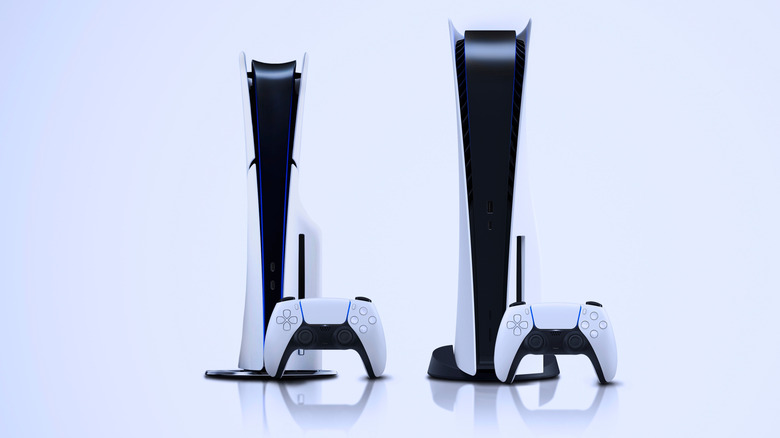
The designs of modern consoles, which utilize specific chipsets for the GPU and CPU and closed engineering, come with pros and cons. Developers can better optimize for the hardware because they know what's available and what it's capable of across an entire generation. Unfortunately, that means that, aside from swapping in a larger hard drive, the hardware cannot be upgraded without buying an entirely new console.
With a gaming PC, or PCs in general, you don't have to upgrade every component in the system to see a measurable improvement. Sometimes, simply adding more RAM, or upgrading to a newer GPU, can provide significant performance boosts in games. You don't have to build an entirely new system every time. You can use the same case, swap in some of the old parts that still have a lot of life left, and save a few bucks here and there. There are also some fairly affordable pre-builds from retailers if you're willing to step back and accept older hardware configurations. You can get around shortages by shopping the cheapest upgrades to turn any PC into a gaming setup. Examples are grabbing an upgraded CPU that's still relatively low-cost, swapping the motherboard, more so if you need to change the socket to match the processor, and so on.
Depending on how you look at it, PC gaming may be cheaper in the long run. Yes, the upfront costs are usually higher, but some choose PC gaming over consoles for the added benefits. Free online multiplayer, a much larger game library, easy upgrades and a longer lifespan for support and performance are just the tip of the iceberg.