

Every Major Smart Ring Brand Ranked From Worst To Best, According To Experts
We may receive a commission on purchases made from links.
Smart rings are becoming more popular as those keen to have a wearable to keep track of their metrics begin to ditch smartwatches. There are several motivations behind this choice, such as being distracted by smartwatch notifications, smart rings being more comfortable, easier to wear, and cheaper, to name a few. There are more reasons why you don't need to buy a smartwatch anymore, and one of them is the rise of the smart ring.
When you're trying to narrow down which smart ring to grab from a particular brand, it can be difficult to choose, given how many popular options are on the market. Many of them perform the same tasks, although some outperform others on certain metrics.
We've examined the market to identify the most notable and popular smart ring brands and compared expert reviews to determine the best options for you. We'll break down our reasoning in our methodology at the end to give you a thorough explanation of why we selected one brand over another. Here is our list of the major smart ring brands ranked from worst to best, according to experts.
Renpho
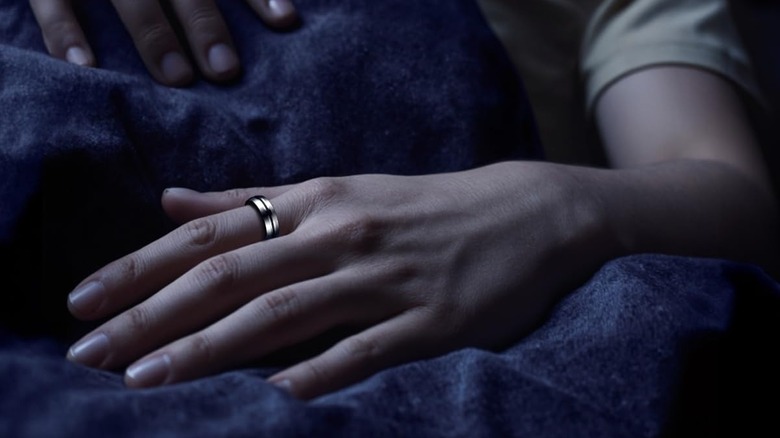
A smart ring pitched as an affordable, budget-friendly option for those who want to jump in, the Renpho line of Lynx smart rings has been evaluated by experts as a decent choice, but there are a handful of flaws that significantly mark it down and make it among the lowest-ranked options on this list. These rings have decent battery life, an app that makes it easy to read all tracked data, and a stylish design. The price is a significant highlight for consumers, according to experts, as it's regularly available for $169, compared to more expensive options from Samsung or Oura.
However, experts do note that the tracking is sometimes mediocre in accuracy, it can feel disruptive while you're holding it, and it doesn't go too deep with its data. You'll get the straightforward information about your daily sleep, movement activity, and minimal stress levels while wearing it. As a bare-bones smart ring that lets you track basic daily data, we mark it as being at the lower end of our list, below the options from Circular and Evie Ring, which provide more depth and insight with their sensors.
Circular

The Circular Ring is often cited by experts as a solid option for anyone interested in a wearable smart ring, especially if it's their first time trying one. Its latest issue, the Circular Ring 2, has a decent battery life that you can expect to last close to a week, and it comes with multiple free features, such as ECG measurements, AFib monitoring, activity and sleep tracking, heart rate, skin temperature, and hormonal shifts and fertility for women. For those looking for a smart ring that packs a lot in, the Circular Rings offer a wide range of features for $349, making them more expensive than some budget choices but still cheaper than Samsung and Oura options. When you're new to this kind of wearable, make sure to keep track of how often you should regularly wash it.
However, there are notable flaws. The ring tends to show scratches, and the companion application could be more user-friendly. Similar to the Amazfit, it's still worth adding to the list for its many wellness tools. You'll receive more tools and wellness options than the Renpho, but the buggy syncing issues and an underwhelming 4- to 5-day battery life pull it down in our rankings.
Leep
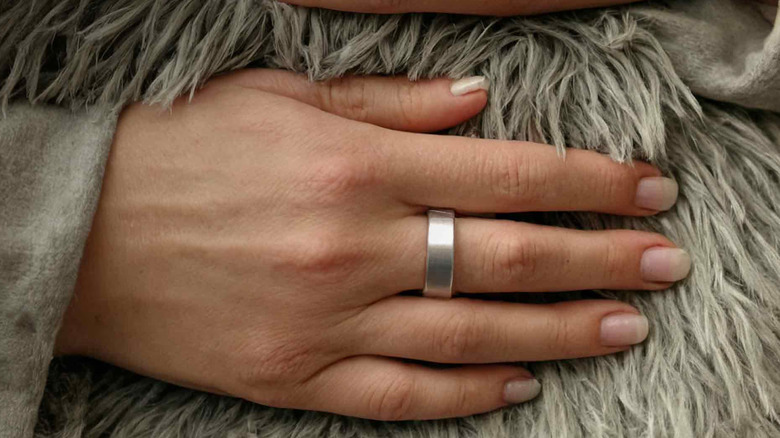
The Leep Rings are a reliable choice if you're looking to acquire a wearable ring to track your everyday life, with a strong focus on sleep. Experts note that the application information is well presented, the price is solid compared to other products ($199), sleep-tracking accuracy is the primary selling point, and it has a nice (though sometimes seen as basic) design. While sleep is a major focus, the ring still tracks your steps, distance, duration, and heart rate zones, meaning you can expect basic tracking metrics and information. Reviewers note that the smartphone application is appealing to read when they break down these details, which is a rarity for smart rings.
What is appealing is how the information is presented to users, with a homescreen to see all the data you want in one place and individual pages to get more detailed metrics. Some early reviews from experts expressed syncing issues, but the brand has verified that software updates have since resolved these problems. For the sleep-focused user who doesn't worry as much about tracking exercise, it is more of a basic daily step counter and smart sleeping ring that lacks the advanced features found on some competitors. When Leep first launched the ring, it was only available on iOS devices, but has since expanded to support Android devices.
Evie Ring

Advertised as a woman's first smart ring, the Evie Ring focuses on tracking a user's menstrual cycle and symptom journaling. With an open design that accommodates a woman's finger size as it changes naturally, it features several standard smart ring capabilities, including tracking fitness, sleep, and heart rate. As a minimalist ring that focuses on appearing like a traditional piece of jewelry, the only way to examine and review health scores throughout the day is via the smartphone application. Experts point out that for $269, it does a good job of providing you with useful information, even going so far as to offer you the opportunity to record your current moods and compare them against the information it gathers.
As a start-up, the Evie smart ring shows promise, but some reviews highlight that some of the features still need to be fine-tuned, and the data analysis falls short compared to more established brands. Still, while experts say it's a good start, it is not yet up to the standard of Oura or Samsung. It struggles to work alongside other applications and to provide in-depth fitness data. As a first-generation ring, testers experienced some glitches, but on our list, it ranks higher than the Circular and Leep options, given the ring's design, its ability to journal your insights for a particular day, and provide insight into how to handle your nightly sleep stages.
Luna
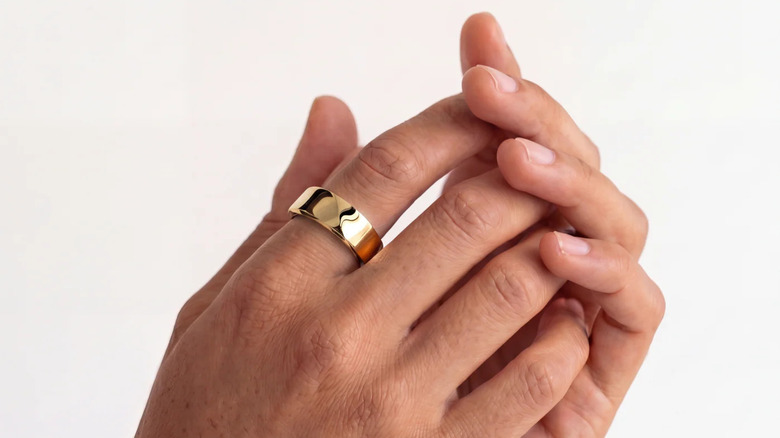
When you're looking for a straightforward, subscription-free smart ring that doesn't break the mold, the Luna brand of smart rings is a reasonable option. These rings come with a stylish design, a subscription-free app with AI coaching based on your metrics, and a decent app where you can read through all these details. You'll be able to purchase it for $329, making it cheaper than the Samsung, Oura, and Circular, but notably more expensive than the Leep or Renpho.
Experts and reviewers noted a handful of flaws with the Luna ring, though. It lacks an impressive battery life (likely needing a charge after 4 or 5 days), the AI features it does offer are middling, with not too much in-depth knowledge, the ring itself can be prone to scratches, large internal sensor bumps, and the heart rate tracker is less than desirable compared to competitors. Experts believe there are better options for heart rate tracking and cosmetic durability. Still, the Luna Smart Rings do go beyond other choices, like the limited function of the Leep ring, or the first-gen hiccups of the Evie. It might not make it to the top slot, but the Luna is a respectable option if you want to save a bit of money when purchasing a smart ring that is compatible with both Android and iOS while avoiding subscription fees.
Amazfit

The Amazfit Helio Smart Ring is an effective tracking product that reviewers report is great to wear, has decent workout and sleep tracking, and looks solid given the affordable pricing. It's one of the better choices, given its overall comfort and durability in the face of everyday wear. You'll be able to get a Helio Smart Ring for $149.99 on Amazon, marking it as an incredibly affordable option.
However, that affordability comes with a handful of downsides: There is a limited range of ring sizes, it only comes with a handful of workout activities, and it's recommended that you use it alongside a smartwatch to get the best results, especially if you're an athlete attempting to track your strength and cardio workouts. Many people get smart rings for what they can do that smartwatches can't do.
Despite these shortcomings, it goes beyond the Evie and Circular rings due to its accurate metrics, insightful health advice on what to do next, and its compatibility with iOS and Android applications. The health readouts are easy to understand at a glance, making them accessible to anyone actively looking to improve their health, with no subscription required. Additionally, it does well to track sleeping stats surprisingly well, considering its relatively low price, going so far as to accurately detect longer sleep periods and naps, which is always good for users who are trying to optimize their sleep patterns.
Ultrahuman
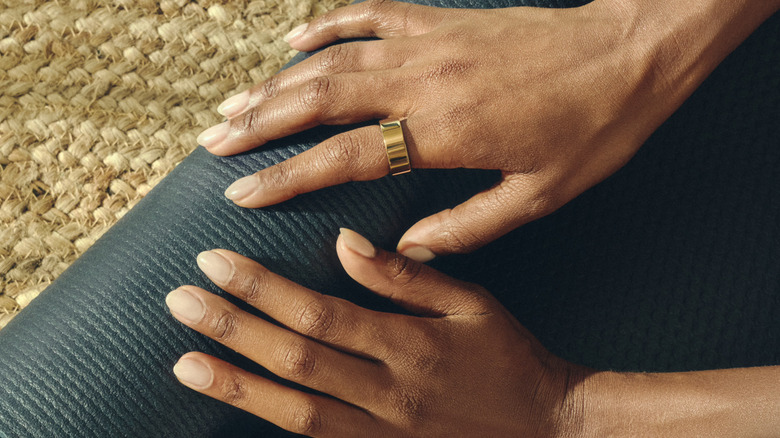
The Ultrahuman Ring is seen as an effective choice in the smart ring market. Experts believe it's a superb option if you're looking for a comfortable ring that provides detailed sleep and stress tracking, helpful workout information, and a range of free options. These trackers go so far as to show your current sleep debt, methods to recover from current stresses, or learn more about your resting HR using the optional PowerPlugs app features. While most of the PowerPlug features are free, a handful are locked behind a paywall. You can get an Ultrahuman Ring Air for $349.
Experts do note they have experienced some inaccurate heart rate readings, an insistence on notifications bordering on excessive, and the app takes longer than you might expect to sync to your device. There are additional, more advanced trackers that users can access with the premium subscription, such as a caffeine window tracker, screen time, circadian rhythm alignment, and menstrual cycle and ovulation tracking. These provide far more depth than the Amazfit and Evie Ring options, even if they are locked behind the premium service. These are worthwhile assets for anyone who wants actionable steps to improve their day and build better habits.
Despite having a premium option, most of the more common features are free, as you'd expect from a smart ring. If you're looking to go above and beyond, the Ultrahuman Ring is a solid option nearing the upper echelon of our list.
RingConn
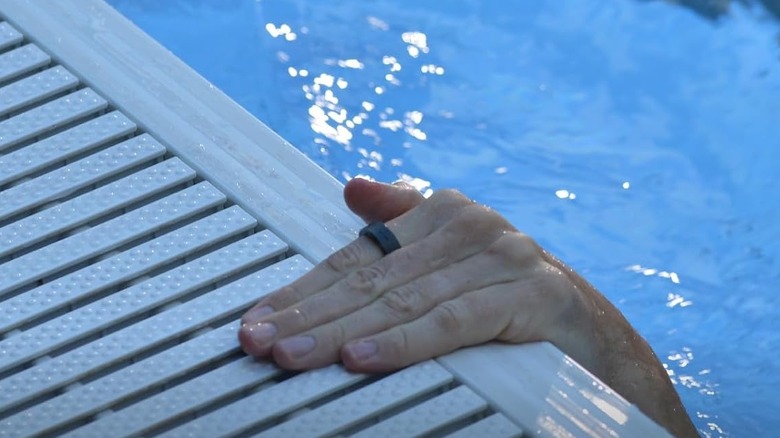
The RingConn is a solid mid-high option when it comes to expert appreciation compared to other smart ring brands on the market. Many highlight effective data tracking, clear information presentation, affordability compared to some other options, and decent battery life. The ring is light and thin in design, making it easy to carry and perform everyday tasks, with an incredible battery that can last for nearly two weeks, and readings that match competitors, such as Oura. If you're looking for a more affordable smart ring option without a subscription, the RingConn Gen 2 is available for $299.
There are a few hiccups with this model that keep it from the top spots. The RingConn has limited workout tracking, suffers from scratches, and it doesn't always integrate well with other smartphone applications. The ring can tell when you're doing something intense based on your heart rate, but it can't tell the exact activity. You have to manually input much of your workout data, especially when synced from other applications. It also lags behind Samsung and Oura in offering actionable insights from the data it collects about your health habits.
Still, it's a strong option that sits above the Ultrahuman and Amazfit rings due to its robust battery life, reliable tracking of basic activities, and detailed sleep tracking with no subscription fees.
Samsung
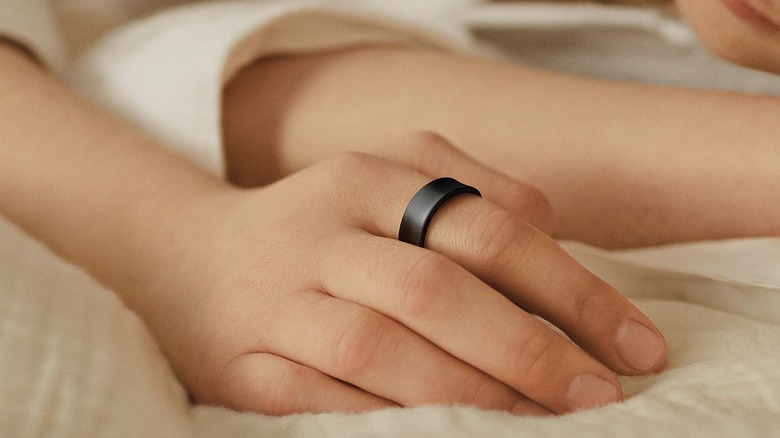
The Samsung Galaxy Smart Rings are excellent choices, as they're lightweight, track a range of data you can digest at a glance in the app, and offer up to 7 days of battery life on a charge. You'll be able to access a mountain of data, such as steps, stress, heart rate, menstrual cycle, sleep information, and much more, with the application sending you an alert if it notices an abnormal issue with AI-powered insights. This intense data does mean it's on the more expensive side, available on Amazon for $399, but that price tag is worthwhile for what it delivers, and it does not come with the premium subscription fee, like the Oura.
Some experts shared that they had accuracy problems while using it. The smart ring has limitations when used with a non-Samsung smartphone, which can be a significant drawback. Perhaps unsurprisingly, reviewers advise against it for those in the Apple Watch and iOS universe. But those issues are not a huge problem that completely brings the product down, and they still allow Samsung to rank higher than options like Ringconn and Ultrahuman.
Additionally, there is a double-pinch gestures you can only use if you have a Samsung smartphone, which draw it down from the Oura ring, despite the two having similar health insights, tracking, and metrics. Oura also beats Samsung by offering better battery life and compatibility with multiple smartphones.
Oura
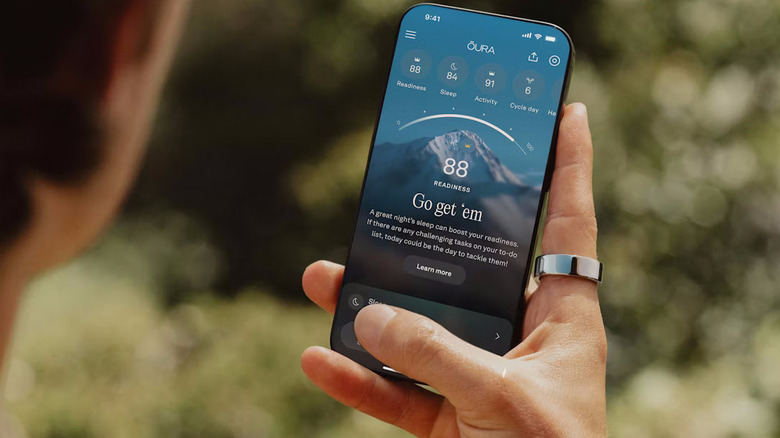
The Oura is our top-of-the-list smart ring. Oura rings offer superior daily tracking of sleep, stress, fitness, and overall steps, with a robust sensor system that displays everything in the application. The Oura ring design is sleek in a way that makes it smooth and comfortable to wear all day. Its sensors provide granular details about your health that go so far as to notify you of signs of an impending illness, and it works across multiple Android and iOS devices. Multiple experts agree that the Oura Gen 4 is fantastic, and the price reflects it, available for $399.99, but it comes with the added $5.99, or $69.99 per year, subscription fee, which was a negative in our review of the Oura Ring 4.
Although other rings might beat it out in only a handful of categories, such as the RingConn offering superior battery life, or you avoid the subscription requirement for getting a Samsung or RingConn smart ring, whereas the Oura comes with a subscription requirement plan to access basic and advanced features. However, for many experts, those small hurdles are still worth it, and we place Oura at the top of many lists for a reason. Its features are excellent, so long as you can afford them and plan to make the most of them every day. The subscription is the biggest negative for the Oura ring, but it stands out in overall quality compared to the other rings, with the Oura Ring 5 on the way.
Methodology
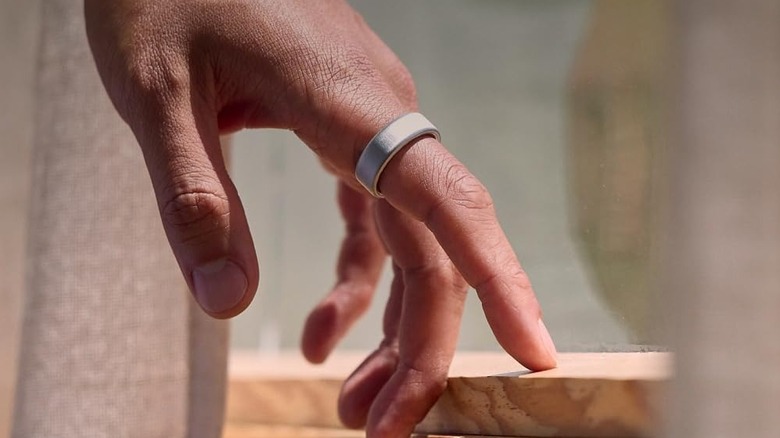
When choosing a smart ring brand for this list, we focused on those that frequently appeared on professional websites. These included Tom's Guides, PCMag, CNet, Tech Advisor, Tech Radar, Garage Gym Reviews, Wire, Wareable, and several others.
When it came to ranking these smart rings, we focused on how comfortable they were to wear, how effective they were at tracking everyday activities and sleeping, battery life, how smooth the application was to use, and if they could be used with multiple smartphone options. We also noted whether a device required a subscription to access most of its products, or whether there was an option for more tracking and information. Price was also a factor.