

What Does Core Sleep Mean On An Apple Watch?
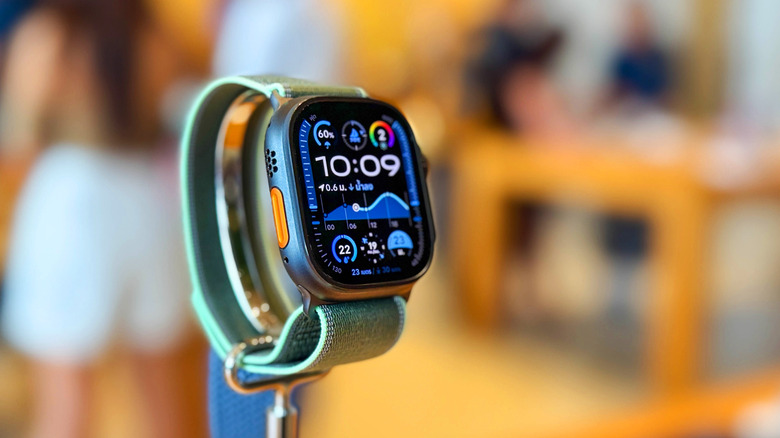
Apple has never been shy about inventing its own vocabulary for technical terms, and some of the tracking metrics on the Apple Watch are no exception. Case in point: core sleep. It's a term Apple uses in its Apple Watch and Health apps that refers to a stage of sleep, specifically light sleep, where your body is asleep but not yet in the deeper, more restorative phases of rest. Core sleep, by Apple's definition, is the early non-REM stage, referred to as the N1-N2 stage by sleep scientists.
It's not abnormal to see a lot of core sleep in your Health app, because it's the longest part of most sleep cycles and often makes up the majority of a night's rest. In practical terms, core sleep is the period when your heart rate and breathing slow down, your body relaxes, and you can still be awakened more easily than in deep sleep.
How core sleep fits into your sleep cycle

Apple Watches, the Health app, and many of the best wearables for sleep tracking divide sleep into four stages: awake, core, deep, and REM. Core sleep tends to be the dominant phase in terms of timing, so don't be alarmed if you see significantly longer periods of core sleep when compared to REM or deep sleep.
While core sleep may not be as restorative as the other phases, it's still absolutely vital to your body's nighttime rhythms. It's a kind of scaffolding that supports the structure of your sleep schedule. Though not as critical for memory processing or dreaming as REM sleep, it's still vital for brain and body recovery, and most importantly, it's the transition from wakefulness into those deeper stages.
Apple chose the term "core" because it worried that calling it "light" sleep would trivialize what is genuinely a very important phase. In a technical document about how the Apple Watch estimates sleep stages, the tech giant points out that the core stage contains "sleep spindles and K-complexes." Sleep spindles are brief bursts of rapid brain activity that help stabilize sleep and process memories, while K-complexes are large, slow brain waves that help the brain decide whether to stay asleep or wake up in response to stimuli.
What the other sleep stages mean
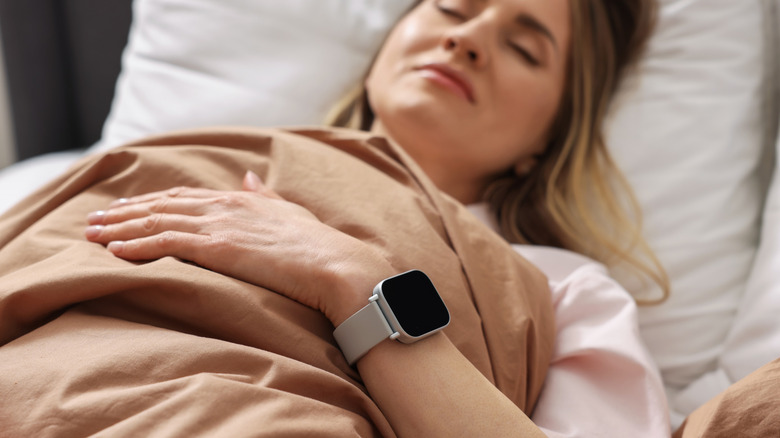
Deep sleep is the phase most closely tied to recovery. This includes physical recovery and general restoration as well as support for your body's immune system. It tends to appear in much shorter blocks than core sleep and is more difficult to wake from. A number of causes can lead to a lack of deep sleep, including alcohol intake, stress, or variations in your schedule. There is also a natural amount of variation independent of these external triggers.
REM sleep is the stage most tied to vivid dreaming, emotional regulation, and the processing of memories. Longer stages of REM sleep tend to appear later at night, though you'll typically cycle through a few REM stages in a single night of sleep. Generally, the most useful way to look at your sleep data is across a number of complete nights of sleep, rather than focusing overmuch on one stage in isolation. If you're struggling with sleep in general, consider these expert tips for a better night's sleep, or perhaps investing in a high-quality noise machine.