

Why Some Android Manufacturers Stopped Using Curved Displays
We may receive a commission on purchases made from links.
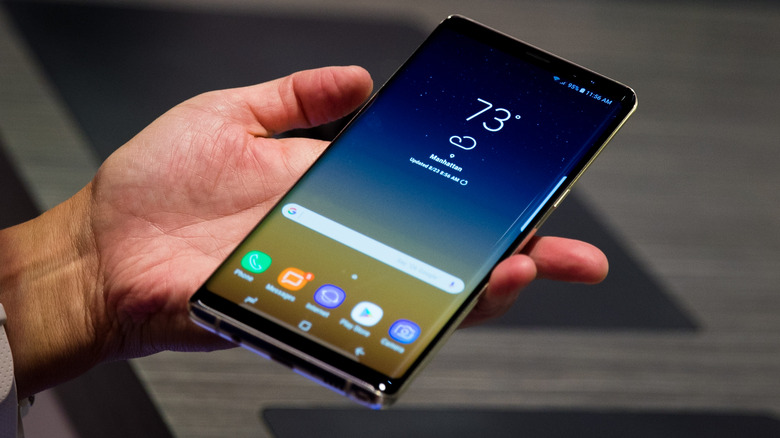
There was a time when curved displays were seen as an indicator of a premium Android smartphone, with flagship devices opting for these screens instead of the ubiquitous flat-screen design. You could buy curved-display phones from the likes of Samsung, Huawei, LG, and OnePlus. Just look at the Samsung Galaxy S23 Ultra from 2023, the Huawei Mate 50 Pro from 2022, and the OnePlus 12 from 2023. However, if you look at the current Android smartphone market, it's hard to find a device that still sports a curved display. They've really fallen out of favor — Samsung ditched its Edge design in the S24 Ultra, and OnePlus followed suit, ditching the design in the OnePlus 13 in late 2024.
If curved displays were once considered premium and a way to distinguish flagship devices from the rest, why did some companies ditch them? One of the main disadvantages is their fragile nature. Compared to flat screens, curved displays are more prone to damage when dropped, partly because they leave the screen more exposed to impact. As such, there's a high chance of your phone's display shattering even upon small impacts with a hard surface. And good luck trying to apply a screen protector, because some areas would still be exposed, and even specialized ones meant for this kind of screen didn't fit perfectly. Even worse, replacing a cracked curved display was more expensive.
Curved displays also suffer from accidental touches along the edge of the screen because that's typically the part of the surface your palm and fingers come into contact with while holding the device. Glare is another Achilles' heel for this kind of smartphone display, and it was common to see streaks of light reflecting off the curved edge, especially while using the device in a bright environment.
Why curved displays were once popular on Android phones
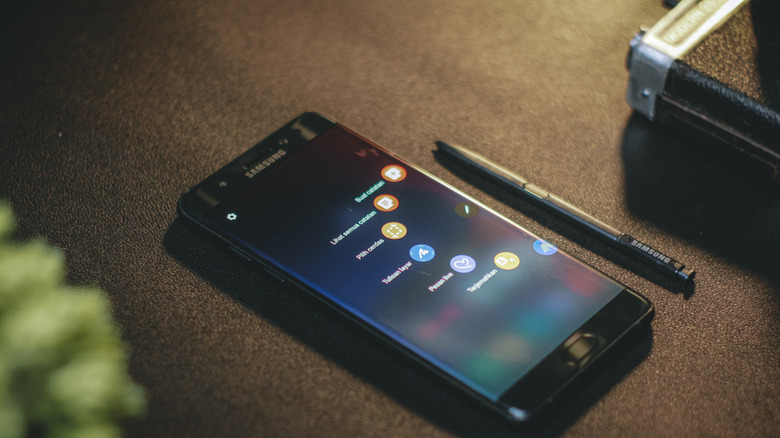
With all these downsides, you might be wondering why curved displays were all the rage at some point, with Android manufacturers coming up with different designs to entice buyers while chasing bezel-less all-screen designs. The key selling point of these screens was largely their aesthetic value. These displays made phones look sleek by offering a high screen-to-body ratio at the front. Additionally, the edge-to-edge design of curved displays offered a more immersive viewing experience, which meant there was less distraction from bezels when doing certain tasks such as watching videos.
Besides the aforementioned pros that came with curved displays, some smartphone manufacturers went a step further by taking advantage of the edges at the software level to improve the overall user experience. Samsung, for example, used the edge of the display to show the current time, battery level, and information from a handful of apps. You could even add your close friends or family and your favorite apps for easy access. Some of this functionality still lives on in Samsung's modern phones under the Edge Panel name, which is one of the features exclusive to Samsung's Galaxy smartphones.
Despite being less popular, phones with curved displays still exist
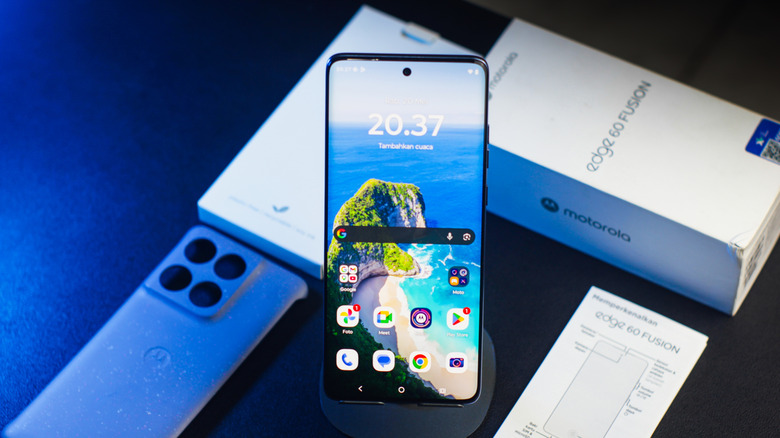
Curved displays have their fair share of advantages and disadvantages. The disadvantages eventually trumped the pros, and that's why you don't see them as much anymore. If you're a fan of curved smartphone displays and were irked when some of the major Android smartphone companies moved away from these screens, all is not lost — or at least not yet. These displays might not be mainstream right now, but there are some Android manufacturers that are still making phones with curved displays.
Motorola is a good example of this. Most of the phones in the company's Edge series of devices feature a display that is curved at the edge, perfect for anyone who wants a phone with such a screen. There are a variety of models in Motorola's Edge series that you can pick from, such as the Motorola Edge 60 Pro, Motorola Edge 70 Fusion, and the Motorola Edge 2025. Another company that launched a curved-display smartphone in recent memory is Tecno, which introduced its Tecno Slim 5G in India.
Rumor has it that Apple might introduce a curved display on the 20th-anniversary iPhone, which will be a big change for the American tech company. If that happens, we could see this kind of display become popular, as many smartphone companies typically follow in Apple's footsteps.