

5 Mistakes Homeowners Make With Solar Panels
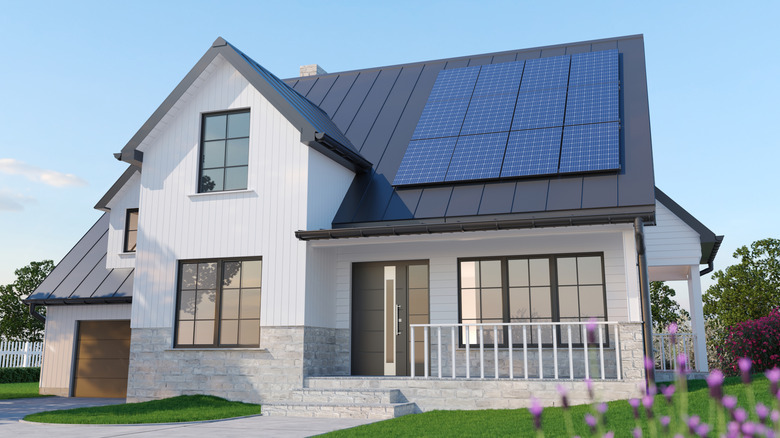
Installing solar panels seems like an easy decision when the energy bill keeps rising each month, but many homeowners often make mistakes before they even sign the contract. That happens because buying these solar panels for a house does not follow a fixed model, since each roof and budget changes the result. Because of that, recognizing the most common errors helps avoid extra costs or even a frustrating experience.
For example, the main problems include focusing only on the product's initial price, which is already high. But if someone ignores battery or panel maintenance, the savings from solar energy may also put a strain on the budget in a bad way. Other details also matter, such as a roof that is not ready for installation, because that can turn savings into a headache.
Because of that, anyone who wants to avoid mistakes when installing solar panels should understand some common problems that most people face. There are things you should know before installing solar panels at home. Solar energy can help a lot and save plenty of money over the long run, but avoiding issues during the first few years requires attention to a few key points.
Buying the wrong number of solar panels
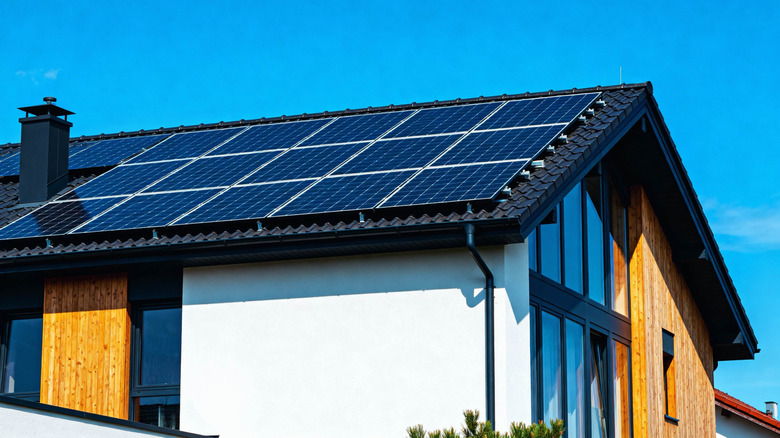
The initial cost of a project can feel intimidating depending on the size of the system a house needs. But at this stage, one of the most common mistakes among homeowners is reducing the number of panel units to save on the initial investment. The worst thing is that you are still too dependent on the power grid to keep things going, which means fewer savings and a longer payback period for the solar panels.
In this situation, the energy bill shows only a very small change, so even after saving money on the panel purchase, the investment may not feel worthwhile. At the same time, following commission-focused sellers and buying an oversized system also pose problems. More panels can yield savings over the long run, but they also cost more, which can push the project beyond budget.
In these moments, the right approach is to calculate the exact energy use and buy the right number of solar panels to meet those needs. Most houses need about 15 to 20 of them to work without heavy dependence on the power grid, but that number can vary a little. This estimate also helps keep the system aligned with the real monthly demand instead of guesswork.
Ignoring roof repairs before solar panel installation
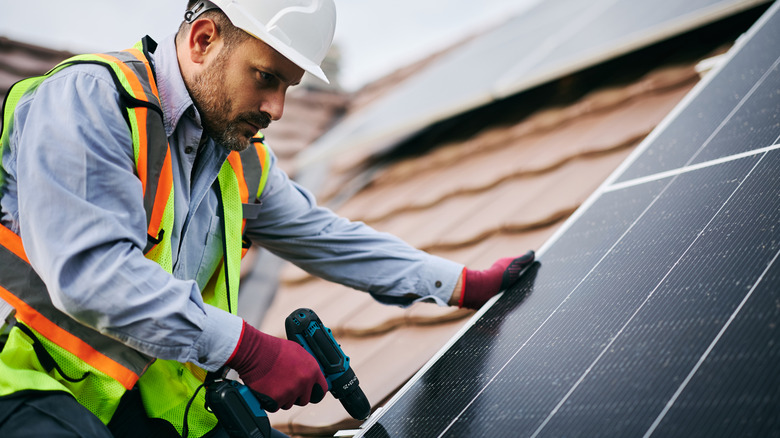
These panels usually last more than 25 years, so a solar energy system can provide long-term energy for your home. Because of that, the receiving structure, especially the roof, has to support the installation in the meantime. Look for broken tiles, leaks or other signs of wear that may need repairs in a few years.
In fact, this is one of the most expensive mistakes homeowners can make when investing in solar panels. After the system goes on top of a house, any roof repair becomes more complex. In many cases, the owner needs to remove the solar energy system, or part of it, which creates extra costs because the process requires removal and reinstallation. Besides costing a lot, this also stops energy generation for a while.
Because of that, before closing the purchase, inspect the roof and verify that its useful life matches the panels' durability. There are things to consider before installing solar panel batteries, as unexpected financial costs can arise long after installation. If the structure is close to maintenance, the best approach is to resolve everything before installing the solar panels.
Neglecting routine solar panel cleaning
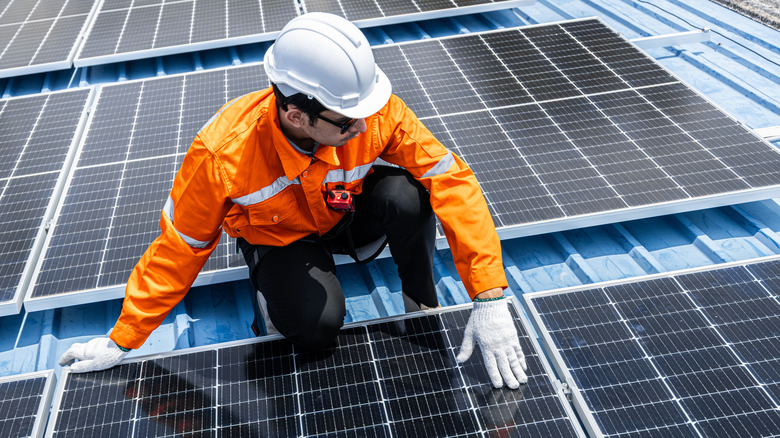
Companies often sell panels as maintenance-free, but that promise is not entirely true. Depending on where someone lives, dust, soot, leaves, and even bird droppings can accumulate on the panel surface and reduce its solar energy output. At first, this issue may go unnoticed, since it shows no clear sign, but the panels lose efficiency little by little.
According to PubMed, panels without periodic cleaning can lose 15%-20% of their energy-generation capacity and have a shorter lifespan. In cities with high pollution levels or in rural areas where dust is more common, that number tends to be even higher. From a financial standpoint, the owner starts paying more on energy bills again and stops taking full advantage of the savings the panels create.
Fortunately, maintenance is simple. The best solar panels still require a soft cloth and a little water to keep working at full capacity. Just check every few months to see whether they remain clean and, if not, perform this periodic cleaning. This routine helps protect energy output without making maintenance complicated.
Failing to compare multiple solar panel suppliers
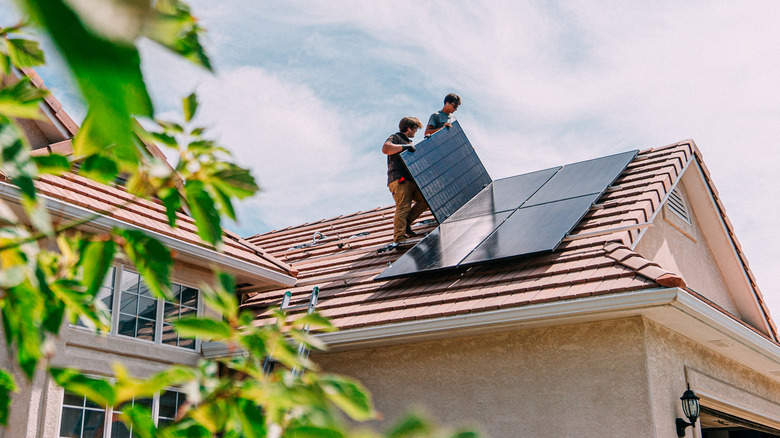
Due to the popularity of solar panels in recent years, the market now offers many options for anyone who wants to buy them. While this helps with competition, it also increases the chances of finding promises that sound too good to be true. Because of that, careful research before closing any deal is essential to avoid traps.
For example, signing a contract with the first supplier is one of the biggest errors someone can make. It pays to request information from other companies, as it allows you to compare prices and the quality of the equipment they offer. This type of comparison not only helps with solar panels, but with almost any large investment someone needs to make.
Also, avoid accepting only the cheapest quote. Even differences like choosing between blue or black solar panels show how equipment quality affects performance and cost over time. In the long run, all those savings can disappear when the equipment needs to be replaced.
Overlooking how seasonal shade affects solar panels
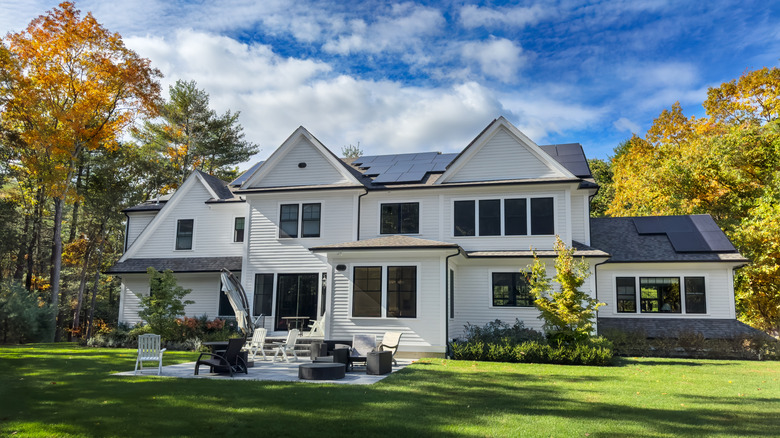
Since a panel system depends on sunlight, many elements that block direct contact can reduce its efficiency. Besides dirt that may stay there, shade from trees or neighboring buildings can also become a problem over the long run. Many homeowners consider shade only at the time of installation, but they do not consider how it behaves throughout the year.
These small changes can affect the effectiveness of solar panels, especially because the sun's angle varies considerably across seasons. A tree that does not seem like a problem in summer can become one in winter. These details often go unnoticed, especially when the assessment occurs in a single day and ignores such variations. Because of that, it is better to check whether anything can become a future problem during installation, including nearby objects that may grow, shift, or cast longer shadows later.