

5 Devices Homeowners Should Never Cheap Out On

We may receive a commission on purchases made from links.
Owning a home can be a royal pain. Gone are the days when you didn't care about your HVAC system breaking down; now you're the only one who's going to pay to get it fixed. The same goes for utilities and other niceties that may once have been rolled into your monthly rent. That's why the smart homeowner is also versed in frugality: it pays to know what's worth spending extra cash on and which property investments can hit the back burner for a while. These assessment skills also come in handy when it comes time to buy consumer tech for the home.
The world isn't exactly hurting for electronic device brands. There are thousands of manufacturers vying for your attention, and you don't just want to spend your money on whatever's cheapest. Saving $50 on a wireless router may feel good at the store, but once you start dealing with a Wi-Fi bottleneck, you'll probably wish you'd spent more.
The average home is packed to the brim with smart home gadgets and other consumer tech, and device manufacturers are happy to keep selling us stuff (because Apple and Samsung don't care that what you need more than anything is storage space). But there are a few other pivotal devices that homeowners should never cheap out on, and we've listed the most important options below.
Wireless router
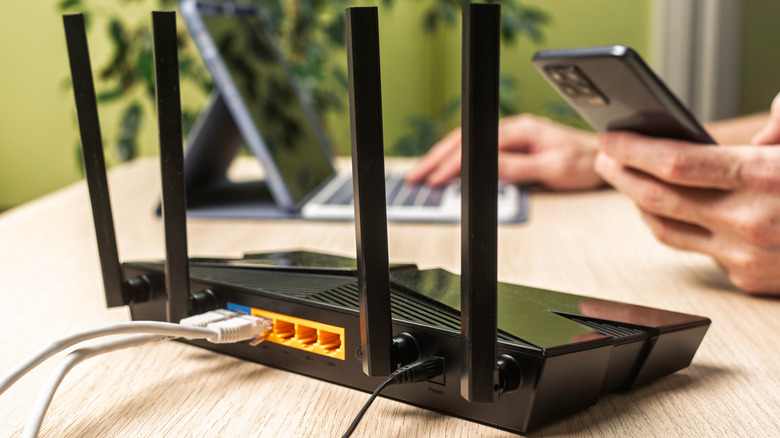
At the heart of every internet-powered home is a router driving the Wi-Fi. It's also the kind of device you might not think about until your Netflix stream starts buffering or your PS5 gameplay falls victim to lag. While an inexpensive, single-band router may get the job done for a tiny apartment with nothing but a smart TV and a laptop, a full-sized home usually means there's a much larger footprint to cover, and probably more devices, too. Add in walls, floors, signal interference, and other networking anomalies, and it becomes clear why an ultra-basic router may not be enough.
This is where multi-band Wi-Fi really starts to come in handy, and you'll find 2.4GHz, 5GHz, and even 6GHz network bands built into several midrange and premium routers — as well as a small selection of entry-level units. Additional bands allow you to separate network traffic, freeing up bandwidth for heavy-duty internet tasks (e.g., online gaming, 4K HDR streaming), while your less-demanding devices operate minimally in the background. For the biggest homes, there are even mesh router systems that do a more effective job at pushing Wi-Fi where it needs to go.
Spending a bit more on a great router now is also an investment toward the future of your home's connected tech. As the months and years fly by, phones, smart TVs, streaming devices, laptops, and smart home gear will only get more powerful and demanding. A higher-end router is much more likely to keep pace with these enhancements while also ensuring you have a safe and reliable network.
Smoke and carbon monoxide detectors
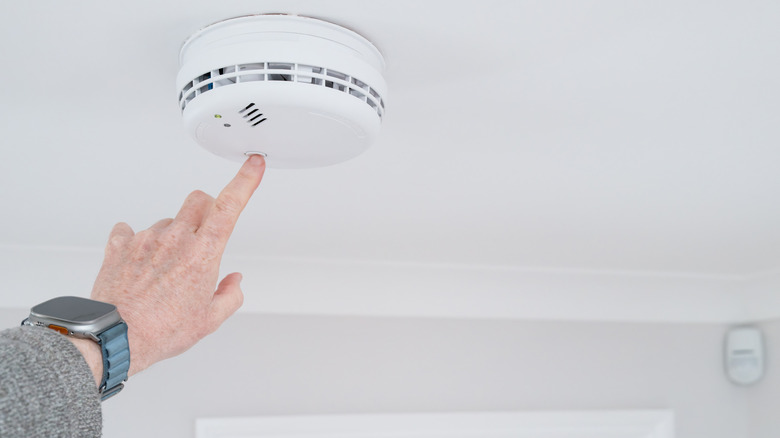
You never want to take a gamble when it comes to fire and carbon monoxide safety. Yes, there are basic AA or AAA-powered detectors that do a solid job, but a more robust detection system offers the kind of peace of mind most homeowners wouldn't say no to. And if you're installing brand-new detectors in a multi-floor home, we highly recommend going with an interconnected system. When one detector is triggered, all linked alarms will sound, alerting everyone in every room.
First Alert and Kidde are two of the leading detector brands on the market, and products like the Kidde Ring Smart Smoke and Carbon Monoxide Detector can even be controlled via Alexa and the Ring app. This means that if smoke or CO is detected and you're not at home, you'll instantly receive alerts and notifications on your mobile device. Wi-Fi-connectable alarms may also offer battery monitoring and a self-test function, so you won't have to awkwardly stand on a step stool to press the test button.
Even if you end up investing in a fully hardwired, whole-home setup, it's still a good idea to make sure the detectors have a battery backup in case you lose power. You can never have enough failsafes when you're protecting loved ones, so if you're going to splurge on any tech for your new home, smoke and carbon monoxide detection should be a top consideration.
Security devices
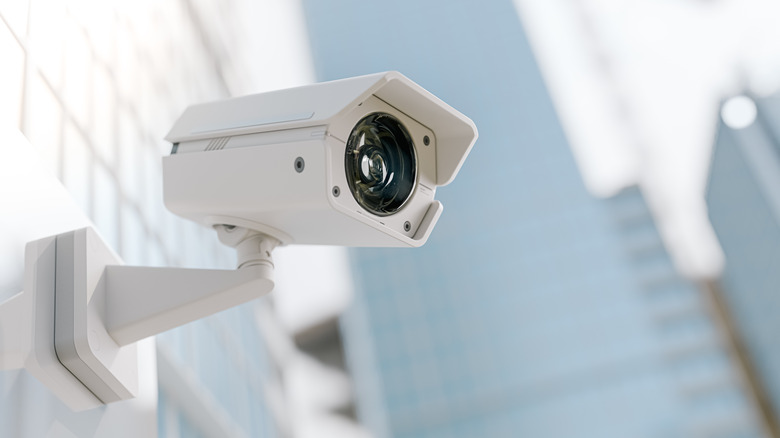
Home security used to be a rather walled-off corner of the consumer market. Before the Internet of Things era, you'd usually need to hire a surveillance company to install equipment both indoors and outdoors, but nowadays, you can walk into a Best Buy, spend a few hundred bucks, and return home with a powerful, customizable system that can be DIY-installed in just a few hours. That said, one part of your home security arsenal we definitely wouldn't skimp on is security cameras, which cover everything from video doorbells and indoor cams to outdoor floodlight rigs with automated motion-tracking.
"You get what you pay for" is a motto to live by, and it couldn't be truer in the world of lenses. Cheaper cameras tend to miss the mark when it comes to details, and the last thing you want is for lackluster motion detection to let a porch pirate scurry off with your parcel. The same goes for the overall fidelity of your recorded and live footage; a capable cam should be able to capture details like faces and license plate numbers, even in low-light conditions.
You'll also want to make sure you're sticking with a reliable, longstanding manufacturer, rather than a third-party operation that only cares that you bought their product(s). Brands like Arlo, Reolink, and Lorex have been in the business for a minute, and each company offers a wide array of devices and services to protect you, your loved ones, your home, and your valuables.
Surge protection
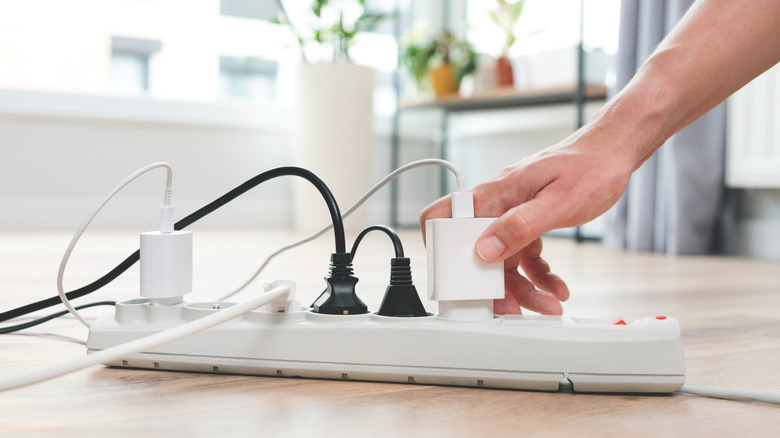
A surge protector may be your last line of defense against a summer brownout or a powerful thunderstorm, but not all surge protection tech is created equal. That's why it's important to pay attention to more than just how many outlets a unit has or whether it's on sale. Many budget-friendly power strips cost less than $10 but offer little protection against a misbehaving power grid.
TVs, desktop PCs, game consoles, and other top-dollar electronics should always be connected to a true surge protector, and you shouldn't be afraid to drop a little extra dough on a product with a high joule rating (a measurement of how much energy the protector can absorb before it fails). Brands like Panamax are great for home theater equipment, and can even protect whatever coaxial and Ethernet connections you're using. We also recommend APC for desktop PCs and computer accessories, especially if you're looking for a battery backup failsafe.
For those who can afford to go the extra mile, we even suggest installing a whole-home power surge protector right at your electrical panel. Look for units with multi-circuit protection, LED status indicators, and flexible mounting options. You also don't want to forget to make sure it's compatible with your breaker box. Oh, and if you're not comfortable installing a breaker box protector, you'll want to have enough funds left over for a good electrician, too.
Smart ecosystem
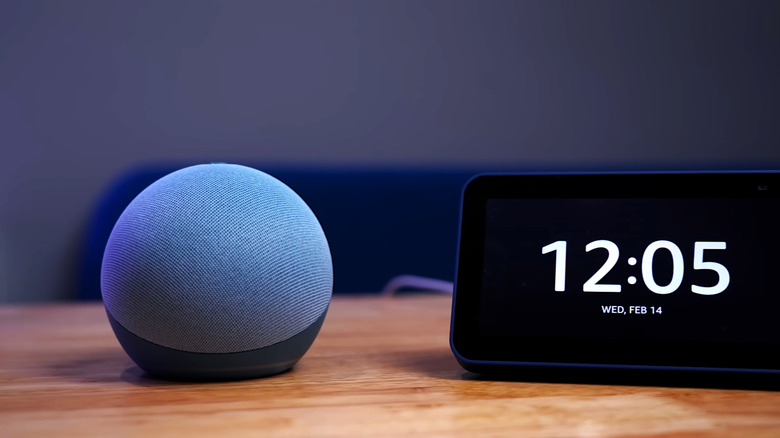
More and more homes are becoming "smart" homes, but don't be tricked into a third-party ecosystem just because the price is low. You're better off going with the tried-and-true champs of smart home controls, which means platforms like Amazon Alexa, Google Home, Apple HomeKit, and Matter/Thread. While this doesn't mean you can only buy smart home devices from these companies, choosing products compatible with established ecosystems is always your safest bet.
Smart speakers and smart displays can be used as automation hubs, as well as for music streaming, event reminders, kitchen timers, and so much more. That said, you'll want to do your best to avoid no-name "Alexa-compatible" hardware. Instead, focus on industry-vetted device makers with well-reviewed products; brands like Sonos, Bose, and JBL are a few trustworthy manufacturers that come to mind. If budget is an issue, Amazon smart speakers and displays are often on sale, and are sometimes even bundled with additional smart home devices, like smart lights or a smart thermostat.
Fortunately, most smart home tech on the market will be compatible with the big three platforms: Alexa, Google Home, and Apple HomeKit. But as you expand your smart home, pay close attention to compatibility to ensure you're building out a reliable, seamless ecosystem that can onboard new tech without handshake issues and other glitches.