

Solar Farms Are Having An Unexpected Effect On An Endangered Species
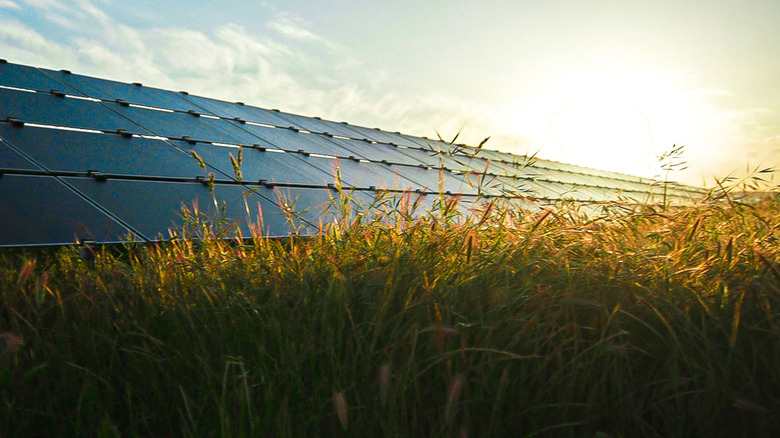
In addition to supplying clean energy, solar panels have a surprisingly positive impact on degraded land and local wildlife. The panels block the sun, allowing the soil to retain more moisture to the point where China's largest solar farm is changing the desert around it, turning a once dry landscape green with plant life. Animals can also benefit from solar farms, including the San Joaquin kit fox, an endangered species that lives in central California, whose population faces many threats, including habitat loss and predators.
Some San Joaquin foxes have found a safe haven within the Topaz Solar Farm and California Valley Solar Ranch, both of which were built on their natural habitat. Researchers examined how the facilities impacted local foxes in two separate studies carried out from 2014–2017, with results published in a 2019 report (link will download a PDF to your device). They found that solar farms' fences kept out common predators like bobcats and coyotes, animals too large to fit underneath. Additionally, the solar panels provided shielding from birds of prey like the golden eagle. It seems to be effective, too.
Another study carried (link will download a PDF to your device) out between 2019 and 2022 found that survival rates remained consistent for San Joaquin kit foxes on the solar farm at the same time as they dropped on the outside. This is a great example of how, while these kinds of massive solar farms can disrupt habitats and the local ecosystem, they can also provide surprising benefits. That's especially true when these facilities are designed with the environment in mind.
Solar energy projects can benefit local animals
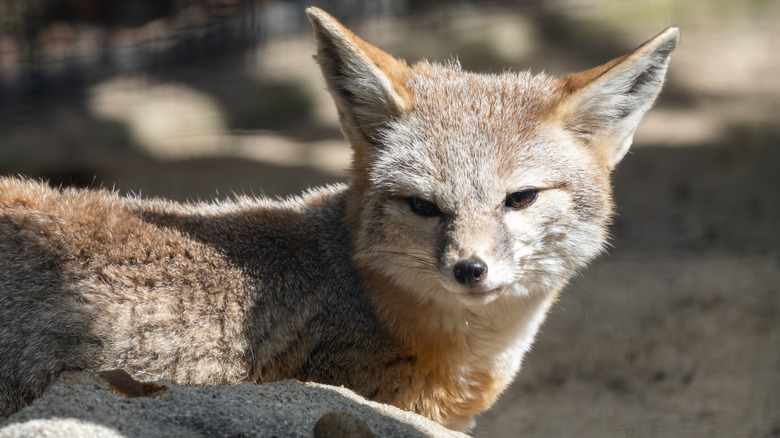
Many California solar farms have implemented some great fox-friendly measures that can serve as inspiration for other green energy projects. Their fences were designed with a 12 to 15 cm gap between the fence and the ground, specifically so wildlife like San Joaquin kit foxes could get through. Topaz Solar Farms even added a rail at the bottom of the gap to deter larger animals, such as those that prey on foxes, from digging their way in.
Those benefits to animals can also improve human lives. Solar grazing is a growing industry that has helped local residents near a solar farm in Tibet and other farmers make extra income by grazing their sheep below and between the panels. The sheep are both more efficient and eco-friendly than other landscaping options necessary to prevent fire and overgrowth. In this case, the low vegetation also happens to suit the foxes' preferences.
There's still work to be done when it comes to balancing solar energy production and conservation. Birds can't tell the difference between solar farms and lakes, which leads to fatalities and migration disruption. Finding ways to minimize the environmental impact of solar facilities will be important as we expand our clean energy usage. That's why these California solar farms stand out as perfect examples of how these solar projects can also create opportunities to help wildlife rather than disrupting it.