

Do iPhones Last Longer Than Samsung Phones?
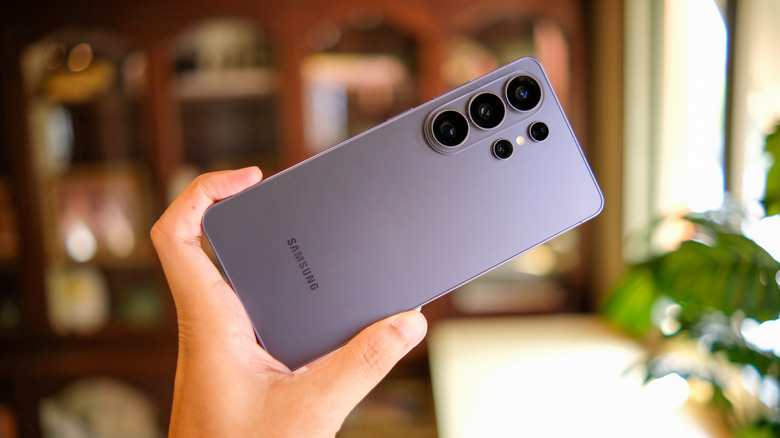
Smartphone buyers looking to purchase a device that can last several years may end up choosing between the two vendors selling the largest number of handsets every year, Apple and Samsung. They may wonder whether iPhones last longer than Galaxy phones, or the other way around. The answer to the question isn't a resounding "Yes," as things are more complicated, but the iPhone has the advantage. Unlike Apple, Samsung caters to the entire market, selling entry-level, mid-range, and flagship phones, while all the iPhones Apple makes are in the premium-to-flagship categories. That means even the cheaper iPhones, like the $599 iPhone 17e, may last longer than most entry-to-midrange Galaxy phones. Samsung flagships should last about as long as iPhone flagships, but even here there's a distinction to make. Foldable flagship Samsung phones, especially the older models, may experience durability issues typical to this form factor, which may impact their lifespans.
That said, it's not just about the durability of the handsets themselves, as other key factors impact the life of a mobile device, including software support and the customer care experience. Also, iPhones retain better value than Samsung flagships, which may be another factor in the longevity equation.
When it comes to durability, buyers can't go wrong with Samsung flagships. Like Apple, the Korean giant has improved the build quality of its phones over the years, especially the Galaxy S models. The handsets feature metal frames (aluminum or titanium) and durable front and back glass panels. Galaxy S phones can withstand accidental damage as well as iPhones, but they can also break, just like Apple's handsets. Regardless of choice, buyers should consider protective accessories like cases and screen protectors.
The software support can be misleading
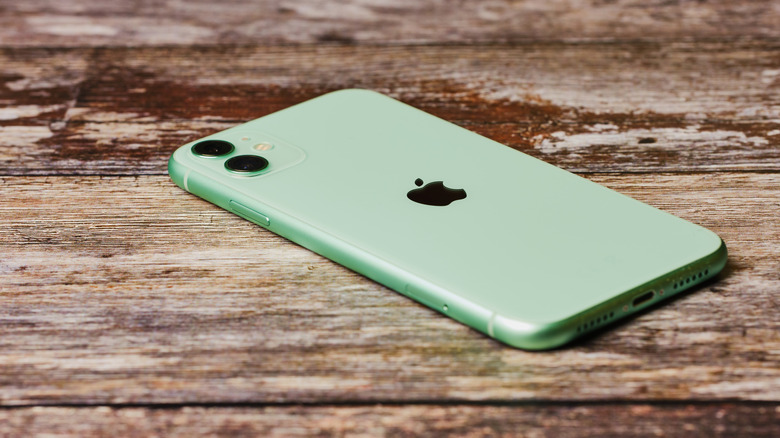
For years, the iPhone had a clear advantage over certain Android phones when it comes to software support. Apple would routinely offer five or six years of iOS releases to old iPhone models, while some Android devices received significantly fewer updates. A few years ago, Samsung decided to improve software support for its Android phones, offering update guarantees for its various Galaxy phones. As of this writing, flagships like the Galaxy S, Z Fold, and Z Flip models receive seven years of major Android releases, while Galaxy A models can go up to six years.
The years of software support do not tell the whole story, however. Unlike Apple, Samsung doesn't control the Android release schedule. When Google launches a new Android OS update, the Pixel phones are first to receive it. Samsung adapts Android for its One UI platform, and its phones will take longer to get the newest Android update. The flagships will get the latest release first, followed by the cheaper models. On the other hand, Apple releases its iOS updates to all eligible iPhones at the same time.
There's also the performance to consider. The iPhone 11 series will support the iOS 27 update. The iPhone 11 series was launched in 2019, which means it will be able to run the latest iOS software seven years later. But the iPhone 11 phones may offer even better performance than some of the most recent Galaxy handsets. The iPhone 11 Pro scores 1,705 and 3,780 in single-core and multi-core Geekbench tests. The first Galaxy S model to match that single-core performance was the 2023 Galaxy S23, which reached 1,870 points. The Galaxy A57, a premium mid-range Samsung phone, launched in early 2026, reaches 1,311 points in the same single-core tests.
The customer care experience
iPhones tend to keep their value better than Galaxy phones. Reports showed in 2025 that London smartphone thieves might give back an Android phone, as they targeted iPhones. A SellCell report from August 2025 said that the iPhone 16 has lost 35.4% of its value five months after launch, while the Galaxy S25 depreciation was at 46.6%. However, Samsung has been catching up with Apple when it comes to flagship phone value, with SellCell speculating that Samsung could close the gap by mid-2026. Apple launched the iPhone 17 series in September 2025, which saw record sales for the company. Even the standard iPhone 17 was sold out for several months, according to BGR's checks.
It's not enough for a smartphone to be durable and receive multiple years of timely software support to ensure it'll last a long time. Owners also need dependable access to customer support for troubleshooting issues and specific repairs, like replacing an aging battery. The battery can degrade in a few years regardless of platform, and buyers will need a replacement once battery health drops below 80%.
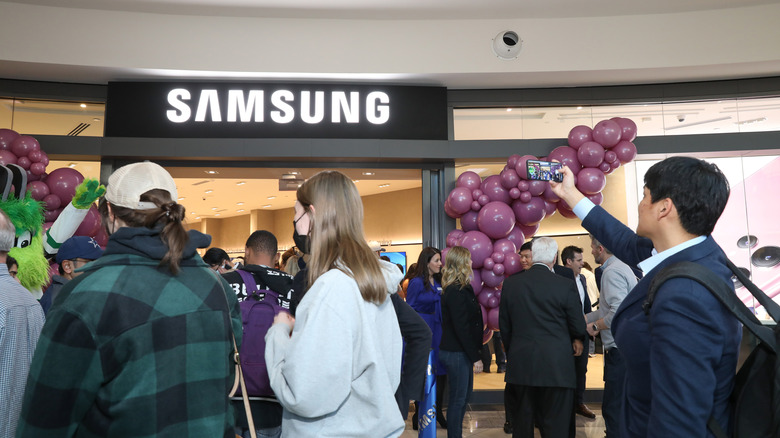
Apple and Samsung both offer premium warranty packages for iPhone and Galaxy phones, which will reduce repair costs. However, iPhones have an edge over Galaxy phones, considering Apple's extensive network of retail stores. Samsung has a more limited retail presence compared to Apple, which means Galaxy device buyers may have a harder time getting their devices fixed. Many iPhone owners may be able to book a next-day appointment at a Genius Bar in an Apple Store, while Samsung phone owners may have to mail in their devices for repairs. Apple retail stores also offer quick access to other products, including next-generation iPhones for upgrades.