

Why Do Some Gadgets Still Run On AA Batteries?
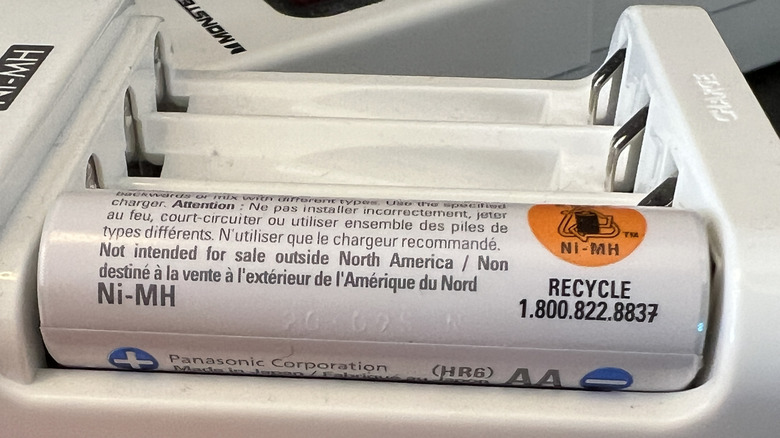
We are deep into the 2020s, and yet, it's still very common to find toys, remotes, and smart home devices that run on AA batteries. Unless you grew up with those legendary gadgets born in the '90s, many of which were battery-operated, you probably never developed the habit of keeping extra batteries on hand in your house. In a time when everyone expects to plug in their gadgets for charging, why do so many of them still run on disposable AA batteries?
The main answer is longevity. It may be annoying when you have to swap out the batteries in your wireless computer mouse once per year, but it's even more annoying if you have to make sure to plug it in to charge after a single day of use. A smart lock running on AA batteries may run for up to 12 months before a replacement is needed, whereas the same lock using a rechargeable battery pack may only function for 3 months per charge.
There's also the question of whether USB rechargeable batteries are worth it in terms of cost value. For manufacturers, the answer is often no. Rechargeable lithium-ion batteries are expensive to produce and ship, and the devices using them must also include extra circuitry for transmitting a charge. Consumers can agree that not every gadget justifies the additional cost that it adds to the final price tag.
Why do some gadgets use AAA batteries instead of AA?
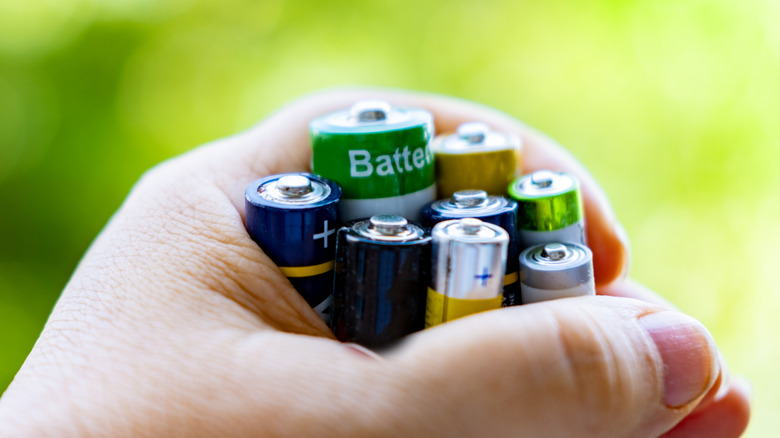
It's frustrating enough that some gadgets still run on disposable batteries, but we also still have the problem of differentiating between AA batteries and the smaller AAA ones. Of course, B-size batteries also exist, but you're not likely to see those anymore. Why do we still need two different types of disposable alkaline batteries, anyway?
Low-capacity AAA batteries are simply the logical choice for things like remote controls or small clocks that require very little power. It's also the practical choice for keeping portable devices nice and compact. When space is a premium, manufacturers may even choose to cut production costs as much as possible by opting for a AAA battery slot. If a company is going to produce 1 million units of a device, the material cost of adding an extra half-inch of space to accommodate a larger AA battery would add up quickly.
Ultimately, though, disposable AA and AAA batteries create a lot of waste that pollutes the environment. Money-conscious consumers may also notice that their spending is going through the roof if they have to replace AAs or AAAs often. If you feel like you're being wasteful, this Amazon gadget can save you lots of money on AA batteries.