

Don't Buy USB Drives Or SD Cards In 2026 - Here's Why
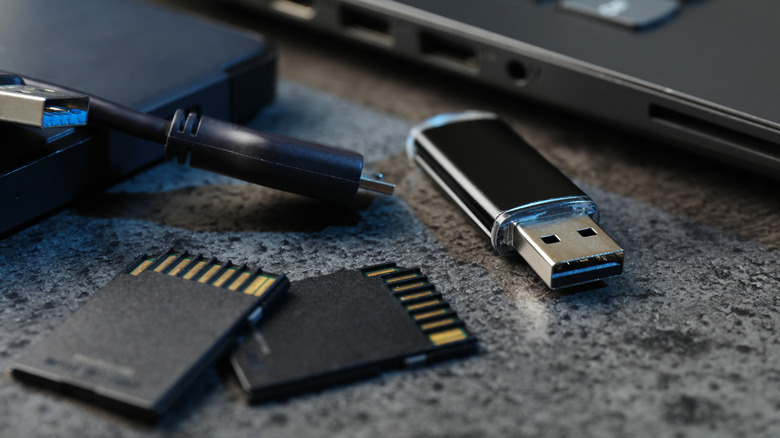
The ongoing chip shortage driven by AI data centers is causing everyday tech to skyrocket in price, as manufacturers prioritize AI-capable hardware over the kinds used in things like PCs, smartphones, and gaming consoles. In recent months, products like the PlayStation 5 and Samsung Galaxy tablets have received price hikes. Not even USB drives and SD cards, storage options known for their affordability and consistent price drops, have been spared.
In just one year, USB drive and SD card prices have jumped dramatically. PCWorld and Tom's Hardware each compared the current prices for specific devices to their 2025 peak and found significant increases across all drive types and capacities, in some cases doubling or even tripling. These have gone up further since those reports were published. As an example, a 512GB SanDisk Extreme PRO SD Card that cost $60 in 2025 had risen to around $107 when Tom's Hardware ran its story in April; as of this writing in June 2026, the same product is now $150 on Amazon. By the time you're reading this, prices may have jumped again.
Price hikes haven't necessarily stopped consumers, as people are buying Steam Decks for almost $1,000. Still, it's hard to recommend purchasing USB drives or SD cards at their current prices. While they may be the only storage expansion options in certain cases (the Nintendo Switch 2 uses expensive microSD cards), for the most part, an HDD (hard drive disk) or a cloud service is a smarter financial choice in 2026.
HDDs are a better value
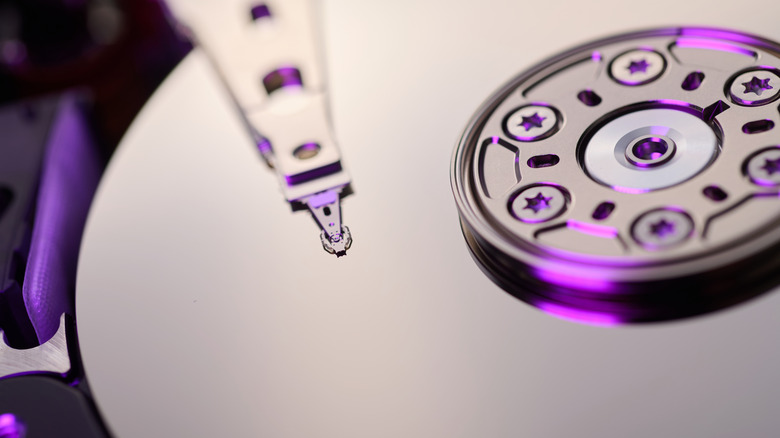
Despite being slower and less efficient than SSDs, hard drives are still worth buying in 2026. Demand and prices are rising as AI companies and consumers look to them as cheaper alternatives. Still, HDDs give you far more bang for your buck when it comes to capacity.
The cheapest 8TB SSD we could find was the Team Group T-FORCE GA PRO at $1,009.99 (equal to $126.25/TB). Compare that to the best-selling HDD on the same site, the Seagate IronWolf, which sells for $299.99 ($37.50/TB) and has much higher ratings. In fact, the only Seagate HDDs to be more expensive than an 8TB SSD were the 28GB and 32 GB options, meaning you could buy an HDD that's triple or quadruple the size for around the same price. That said, HHDs aren't really a replacement for those your typical USB drives and SD cards given their capacity and price.
Cloud storage plans are affordable, but with caveats
If your storage needs are in GB not TB, cloud storage is the most cost-effective option at the moment. Odds are, you're already using a cloud service like Google One, Microsoft OneDrive, Apple iCloud, or Dropbox, which offer limited amounts of free storage. Subscribing to a paid plan (or upgrading your current one) is an easy way to get more. Prices vary by service and tier, but you can expect to pay around $2/month ($20/yr) for 100GB and around $12/month ($120/yr) for 2TB.
Of course, the cloud comes with its pros and cons. While it makes it easy to access your files from wherever you are, there are common mistakes people make with cloud storage, such as backing up sensitive information. That's why, even if you do want to use it, the cloud shouldn't be your only form of storage.
Cloud storage is also subscription-based rather than an upfront charge. The monthly or annual costs can go up at any time, and, eventually, the amount you've spent will exceed what you would have paid if you just bought a USB drive or SD card. Still, considering how hardware prices are currently trending, that might take a while.