

The 8 Best Budget Gaming Phones In 2026
We may receive a commission on purchases made from links.
When the first gaming phones hit the market, people didn't take them seriously. After all, why would you buy a dedicated gaming phone when you could just play on a PC or console? Well, not everyone has a console handy, and given the meteoric rise of mobile esports, the appeal becomes clear. Sadly, the golden period of these phones is long gone. The discontinued ROG phones are a great example of that. Such phones had all the performance you could ask for, but spending over a thousand dollars on a phone with mediocre cameras was a hard pill to swallow.
So, you want a gaming phone that doesn't break the bank? We have some good news. Every smartphone can game, just with different degrees of success. This opens a wide pool of contenders, but as always, choosing between them is hard. Some are only made for casual games, while others can handle demanding games like "Wuthering Waves" and "PUBG Mobile" for hours without breaking a sweat.
We've combed through the budget bracket of these smartphones, compared their gaming performance, thermals, and software features, and ranked the best options you can buy right now. More information on our methodology can be found at the end of this article.
Poco M8 Pro
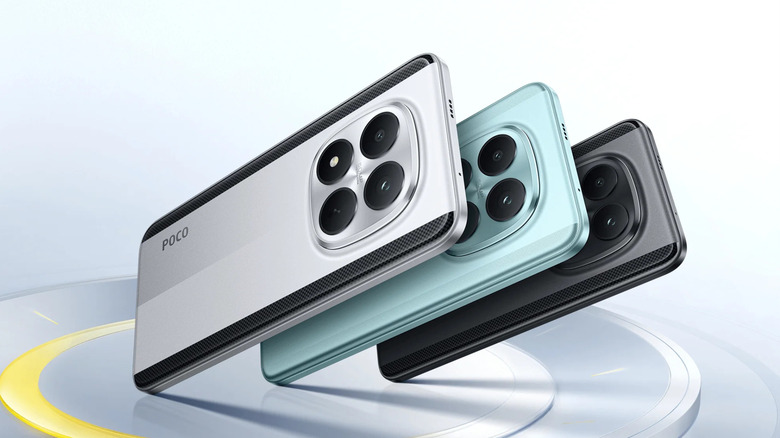
What's the recipe for a gaming phone? Some would say it's decent performance, a high refresh-rate display, and a battery that doesn't die after an hour. If that's all you want from a phone, then the Poco M8 Pro should definitely be on your radar. The $305 price tag gets you the mid-range Snapdragon 7s Gen 4 processor, coupled with up to 12GB of RAM. Reviews say the phone is fast enough for everyday tasks, whether that's jumping between apps or snapping photos. Gaming, however, is a different story. It's important to set expectations straight: you won't run super demanding games like "Genshin Impact" without hitches. That said, if you're more into "PUBG Mobile", the experience will be solid, with frame rates hovering around 50 FPS on medium settings.
The Poco M8 Pro also doesn't lose points for thermals, as the mid-range chip avoids throttling after an hour of gaming. Up front, the 6.83-inch AMOLED 1.5K panel is big and beautiful, thanks to 12-bit color depth. Even the 1,400-nit peak automatic brightness is respectable. It also hasn't cheaped out on the battery, as the 6,500 mAh silicon-carbon cell can last multiple days on a single charge.
Where things do get a bit hairy is with the overall software experience. Sure, Poco has some clever gaming features, but HyperOS 2.2, which is still on Android 15, is chock-full of bloatware. You also get full-screen ads in some system apps, which is jarring. All that said, the primary Light Fusion 800 camera is actually good. Give the sensor enough light, and it produces vibrant photos with decent dynamic range. Of course, noise starts creeping into shots in low light, but the results are still usable for a quick Instagram story.
Nothing Phone (3a) Pro
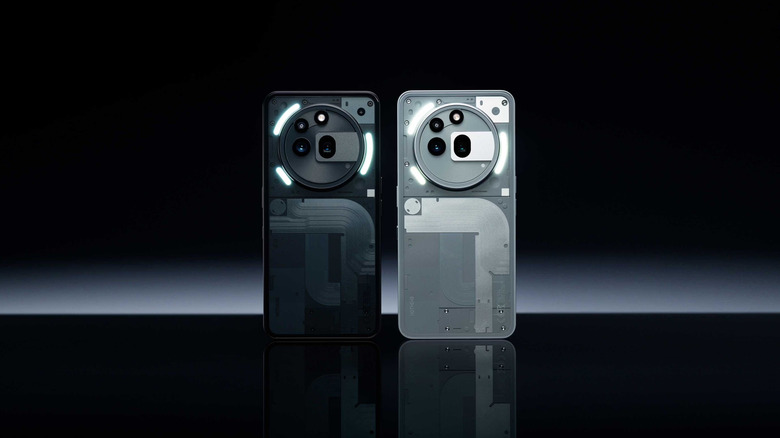
As good as the Poco M8 Pro is, its unpolished and ad-ridden software experience will be the Achilles' heel for many. If that's your concern, then the Nothing Phone (3a) Pro will make a lot more sense. It runs on NothingOS, a unique take on Android, complete with monochrome icons (you can opt for colors) and a minimalist aesthetic. The company doesn't bundle much bloatware, nor are there any ads lingering in the stock applications. Nothing promises three years of major Android updates, which isn't a lot, but the six years of security patches help to keep the phone secure for a long time.
At the heart of the 3a Pro lies the Snapdragon 7s Gen 3 processor, coupled with up to 12GB LPDDR4X RAM and 256GB (UFS 2.2) storage. We'd be the first to admit that the 7s Gen 3 is not a flagship processor, far from it, actually. But when paired with the less resource-intensive UI, our 3a Pro review found that everyday tasks like scrolling reels and reading articles are no problem. "PUBG Mobile" runs comfortably at high settings. Sadly, the 3a Pro lacks the raw power to run very demanding games like "Genshin Impact" at 60 FPS. Buyers also mention high temperatures after an hour of gaming, so keep that in mind.
The triple cameras are headlined by a 50MP main, another 50MP 3x telephoto, and an 8MP ultrawide lens. Photos from both the primary and telephoto lenses are great, with crisp detail and well-handled HDR, even in direct sunlight. Nighttime photos are similarly impressive as the phone keeps noise away while retaining natural colors. The catch? You'll need to spend $439.
Samsung Galaxy S23
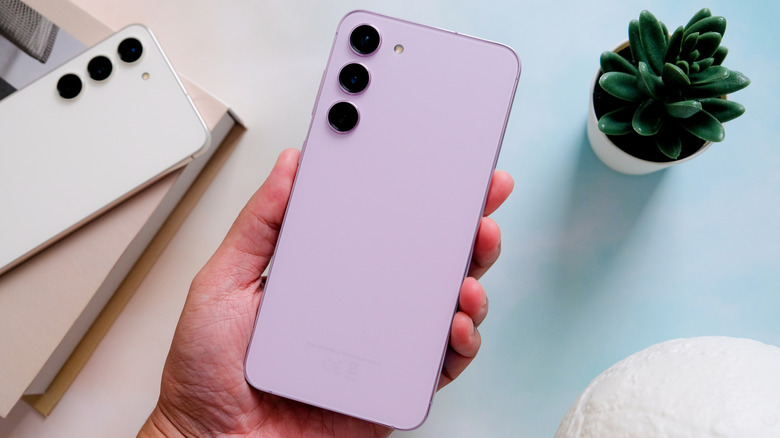
The Samsung Galaxy S23 is not new. It's been out for three years already, and there have been many performance gains with subsequent generations. Sadly, with AI driving memory prices, new phones are super expensive, and not everyone has a thousand dollars lying around to spend on one. The S23 is exactly for those gamers. You can buy it brand new for $399 on Amazon. Inside, there's the still-very-capable Snapdragon 8 Gen 2 for Galaxy chipset, which, in raw numbers alone, is about twice as fast as both of the phones we've mentioned so far. For context, you can run "PUBG Mobile" on high settings with high-refresh-rate support. "Genshin Impact" works just fine without many hitches at medium-to-high settings. While thermals for everyday tasks are well managed, long gaming sessions can cause thermal throttling, especially if you live in a hotter climate.
The rest of the S23 is a flagship experience throughout. You get a beautifully compact design that fits into any pocket. The 6.1-inch AMOLED screen can vary its refresh rate from 120Hz to 1Hz, and OneUI remains one of the most polished Android experiences, complete with helpful AI features, extensive customization options, and four years of major updates, ending with Android 17.
The cameras, while not being class-leading today, are great for everyday snaps. Samsung's processing leans towards punchier colors, which many people prefer. Details are clear in different lighting, and the triple-camera setup gives you the versatility to capture at different focal lengths. The only problem some might have is the battery life, which, as a result of the small form factor, is limited to 3,900 mAh. It can last a full day, but if you're gaming, then be ready to charge in the evening.
Google Pixel 10a
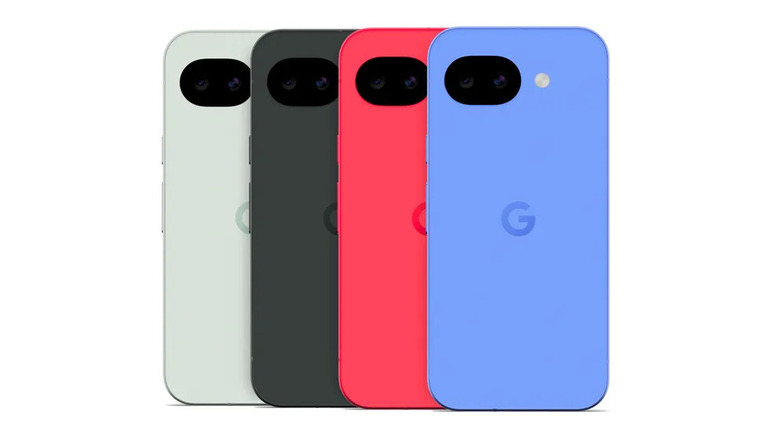
Pixel phones and top-of-the-line performance don't usually go along in the same sentence. After all, the latest Tensor G5, powering the Pixel 10 lineup, still only scores around the same as the three-year-old iPhone 14 on Geekbench. As you might expect, gamers usually steer clear of Pixel flagships, which often cost around $1,000. However, the mid-range Pixel A-series also gets the same flagship processors, just one generation older. The 10a houses the Tensor G4 and costs $499, which could make it a serious gaming contender. Don't get us wrong, our Pixel 10a review does mention the thermal constraints when pushing the phone in demanding titles, but with "CODM," you can crank up the frame rate to 120 FPS with medium settings and not worry about a thing. The same applies to titles like "PUBG Mobile," where users don't mention many frame drops.
Still, the two best reasons to consider the 10a are the software and cameras. You get the vanilla Android experience with absolutely zero bloatware, slick animations, and Pixel's excellent AI photo-editing features. The 10a also makes sense for people looking to keep their phones for a long time, as Google promises seven years of major updates. That's unmatched by any other phone on this list.
As for cameras, the Pixel 10a is arguably the best option. The main 48MP lens benefits from Google's mature processing, meaning colors are natural, the HDR performance is great, and there are details in the shadows. Not to mention the night mode that balances dark scenes well. While battery life with the 5,100 mAh cell is good enough for a full day of use, the 30W charging is just slow. Be ready to spend more than an hour charging.
Motorola Edge 60 Pro
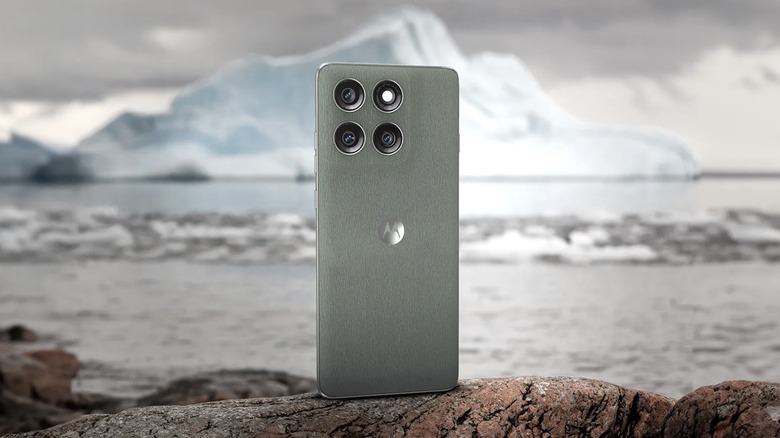
Great mid-range phones are a rare commodity in 2026. Most focus on a single aspect, while only a few try to balance specs and overall value. The Motorola Edge 60 Pro is the latter, and possibly the most complete mid-ranger. The Dimensity 8350 Extreme, coupled with 12GB of LPDDR5X RAM and 512GB of UFS 4.0 storage, scores slightly higher than the Pixel 10a in benchmarks, meaning things are fast. You won't spend time waiting for large apps to load, and Moto's Hello UI feels very close to stock Android. We did see reports of people complaining about weird crashes and bugs, but most of them have been solved with the Android 16 update.
As for gaming, titles like "CODM" can run at the full 120 FPS at medium settings. "Genshin Impact" hovers around 60 FPS on high settings, with minimal thermal throttling. The rest of the phone is headlined by a curved 6.7-inch FHD+ pOLED display, with a 120Hz refresh rate. The 1,400-nit high brightness mode keeps things legible even in direct sunlight, and the panel is HDR10+ certified, so content is crisp.
Cameras are another strong point, with a 50MP LYTIA 700C serving as the main lens. It shoots great-looking photos in daylight, with quite natural colors, except for the odd oversaturated greens. Unlike other mid-rangers, where supporting lenses are usually a miss, reviews say the 50MP ultrawide takes detailed photos with surprisingly consistent colors across different lighting conditions. The 10MP telephoto is a bit less impressive, but we can't complain much at the $459 price.
Xiaomi 15T
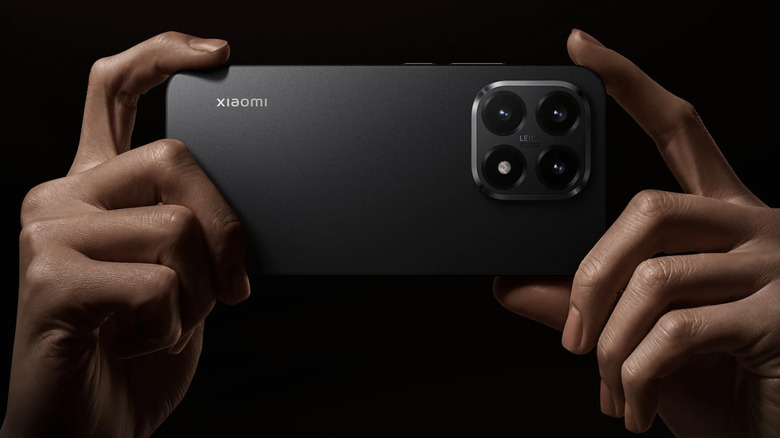
Like Google, Xiaomi's T-series removes the fancy features from flagships to hit a somewhat affordable price point. While this idea is great, the 15T got off to a rough start. Experts complained that the launch price (€649 in Europe) was simply too high to justify the compromises. Well, it's been a few months since then, and now the phone can be found on Amazon for $539. But is it worth it? Absolutely. Inside, the Xiaomi 15T houses a Dimensity 8400-Ultra processor, which keeps multitasking smooth. You can play "Wuthering Waves" at max settings, albeit with some frame-rate dips during the most intense scenes. The cooling system works well to manage temperatures. HyperOS also has some neat gaming features, like the ability to cycle between different gaming modes, capture your gameplay, and more.
On the flip side, HyperOS can also be overwhelming, especially for stock Android fans who might not like the iOS-inspired design. Still, there are plenty of customization options, with some helpful AI features sprinkled in as well. The display is another highlight, as the 6.83-inch OLED panel has 12-bit color depth and is certified for both HDR10+ and Dolby Vision.
Speaking of the cameras, there are three on the Xiaomi 15T. You get a 50MP Light Fusion 800 main sensor, a 50MP 2x telephoto camera, and a 13MP ultrawide lens. Thanks to the Leica partnership, the main sensor captures excellent images with a character you won't find elsewhere. Also, Xiaomi sells its phones in the U.S. via third-party retailers. Consequently, warranty claims could be an issue, and they'll only work with certain carriers.
Poco X8 Pro Max
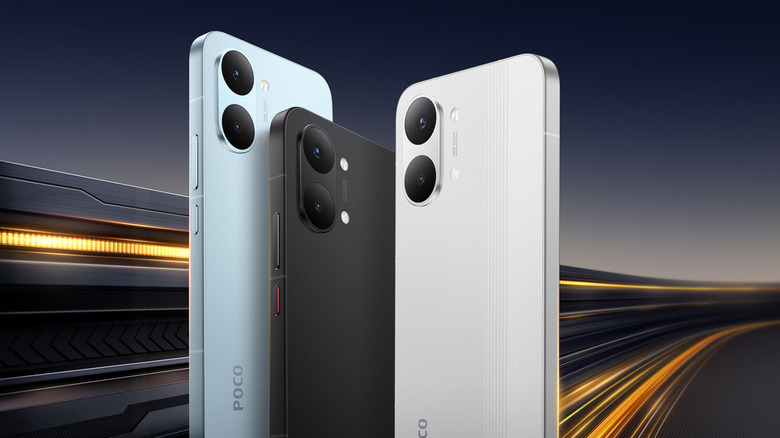
Not too long ago, the term "flagship killer" was everywhere. It was OnePlus that perfected the formula of giving flagship internals at a mid-range price, making many question the need to spend a thousand dollars. While OnePlus doesn't really do that anymore, Poco has built a reputation for the same, and the X8 Pro Max could very well be described as a flagship killer.
And the reason is simple: the Dimensity 9500s processor, which scores about 3 million points in the AnTuTu benchmark. That's nearly double the performance of the Moto Edge 60 Pro. As you might expect, gaming is not a problem. You can throw open "Wuthering Waves" and expect it to run at over 60 FPS on the highest-quality settings, without temperatures spiking. Casual games like "PUBG Mobile" can run at a full 120 FPS. Everyday tasks like jumping between apps and doomscrolling reels are handled well by the 12GB of LPDDR5X RAM and UFS 4.1 storage. To fuel these gaming sessions, though, you need a big battery. How about an 8,500 mAh silicon carbon cell? Reviews say the phone lasts for multiple days with medium-to-heavy use, topped up via 100W fast wired charging.
At the $485 price, not everything can be perfect. The biggest trade-off is the cameras. On the back sit two lenses, with the primary being a 50MP Light Fusion 600 sensor. It takes rather good photos, with decent colors and ample sharpness in daylight. On the flip side, the 8MP ultrawide feels like more of an afterthought, as its photos are simply not sharp enough and there's not much color.
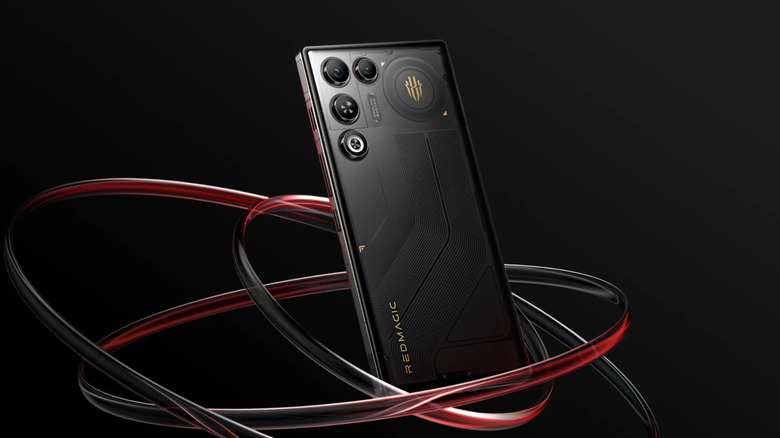
RedMagic 11 Air
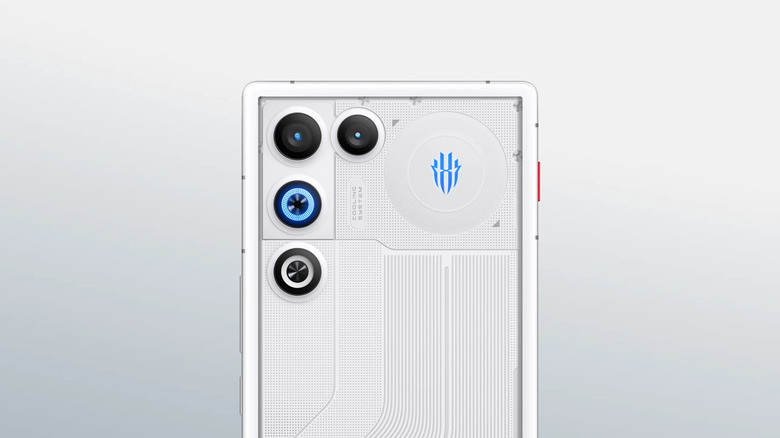
The RedMagic 11 Air is the best budget gaming phone because it's actually a gaming phone. RedMagic isn't trying to please the general public, meaning it has fitted the 11 Air with things you won't find elsewhere. It costs $499, and for that money, you get last year's flagship Snapdragon 8 Elite chipset. In numbers, the 11 Air scores about 3.3 million points on the AnTuTu benchmark. Our 11 Air review found that it chews through games like "Wuthering Waves" and "Genshin Impact" at the highest settings.
Where the 11 Air pulls ahead of the pack, though, is heat management. Behind an inconspicuous-looking camera cutout sits an actual fan that channels fresh air over the vapor chamber. Battery life with the 7,000 mAh cell should last more than a day of heavy use, and there's support for 80W fast charging. But that's not all. There are also two shoulder triggers on the side that can be mapped to different in-game controls. On the software side, the 11 Air runs RedMagic OS 11. It's a fairly bloatware-free flavor of Android, with a few nifty gaming features like the Mora assistant. RedMagic only offers three years of major updates, so keep that in mind.
Up front is a 6.85-inch AMOLED display with a full 144Hz refresh rate. It's a great-looking panel, and the 1,800-nit peak brightness is respectable. The phone's party trick is the front camera cutout, or lack thereof, as the camera sits underneath the panel. Sure, the quality of the photos is questionable, but at least your gaming sessions are uninterrupted. The rest of the camera system is serviceable. You'll want to shoot with the 50MP main sensor, as it's the only one capable of taking good photos. The 8MP ultrawide has limited capabilities.
Methodology
Picking the best budget gaming phones wasn't easy, simply because almost nobody makes dedicated gaming phones anymore, except RedMagic. To put together this list, we scoured the mid-range offerings from major brands priced under $550. We then sorted the phones by performance and cross-referenced their reviews from reputable outlets such as TechRadar, PhoneArena, TechAdvisor, and others.
In addition to our own testing of many models, we prioritized performance in games such as "Genshin Impact", "Wuthering Waves", "CODM", and "PUBG Mobile." High-refresh-rate support and whether a phone throttles under sustained load were also considered. Since a phone does many more things than just gaming, we looked at the overall ownership experience, including software quality, bloatware, update support, cameras, and value for money.