

How Long Do Owners Say Hisense TVs Usually Last?
Hisense TVs cater to the affordable media segment and attract a lot of users looking to upgrade to a budget-friendly smart TV. Normally, the average lifespan of a TV ranges between 5 and 7 years, but it can decrease depending on the usage pattern. The reliability factor of modern TVs continues to decline, where users report a typical 2-4 year life of a normal-use TV. Hisense TVs aren't immune to issues, and the most common ones include screen flickering and software malfunctions that prevent the UI or apps from working properly. Software problems, remote connectivity issues, and UI glitches are treatable, but hardware malfunctions call for a component or complete TV replacement.
You typically get a 1-2 year warranty with a standard Hisense TV, while certain premium segment 4K and 8K models can offer up to 4 years of warranty coverage. Under ideal conditions, a Hisense TV will outlast the warranty, but there can be exceptions. Samsung and LG TVs have a slightly longer lifespan than Hisense because they tend to use higher quality components, leading to their higher price.
RTINGS started a TV longevity experiment in 2022, where all units are operated continuously for 20 hours a day. Hisense models developed backlight and screen degradation, and most LED models failed in the first two years. Hisense H8G crossed the 24-month mark, but suffered so much degradation that it became unusable after three months.
Hisense TVs don't last as long as premium brands
The true test of a product's reliability is user reviews, and ConsumerAffairs Hisense TV page reveals a baffling amount of dissatisfaction. You don't even need to dig deep to find frustrated user comments and ratings. On the first page, 19 out of 20 users rated the TV brand one star, and described their gripes with the product. A user purchased a 58-inch TV as a second option, and the screen developed black regions in mere six months. Another user shared a similar story where a three-month-old TV screen turned into white/negative color and refused to work without a power cycle.
You'll find a similar perception about Hisense TVs on Reddit. Many users share a degrading software experience, followed by complete hardware failures. Hisense TVs surviving the five-year mark are rare, and that's a little upsetting if you are thinking of buying one. A lot of negative reviews can put pressure on customer support, and Hisense continues to disappoint in that area as well. Customer support is sluggish, which forces you to either return the TV or seek third-party troubleshooting help. Some users even vouch to ditch the brand and buy a Sony TV or other reliable brand.
How to prolong your Hisense TV's life
Continuous heavy usage with peak brightness, audio, and visual effects reduces your TV's life, so preventing excessive usage is a good starting point. Try to maintain a cooldown period after a few hours of use, and set the TV to moderate brightness and audio levels. Play around with picture settings and find the perfect mode that works for your room's lighting levels. You can use shutdown timers to turn off the TV after a specific time. It's helpful if you tend to fall asleep early on, and the TV keeps running until you wake up in the middle of the night and turn it off.
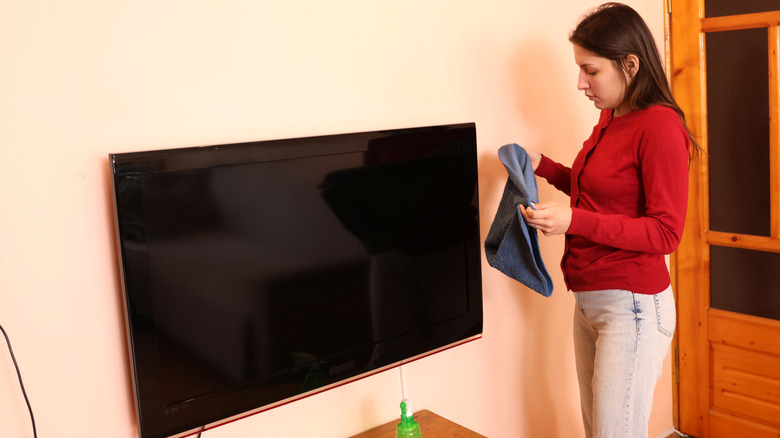
Poor ventilation is another reason that keeps the heat trapped inside and around your Hisense TV. Ensure that it's slightly far away from the wall and avoid stuffing it into a cramped cabinet or near a heat source. Move the TV away from a window that receives direct sunlight and keep the vents clean. You can use a soft brush, microfiber cloth, or compressed air to remove the dirt from the backside vents, and it'll restore proper airflow.
As your TV ages, the internal hardware cannot keep up with the newer OS updates. As a result, the UI navigation and app launches can feel slow. You can use Google Chromecast or an Amazon Fire TV Stick dongle to handle the smart TV interface while your TV acts as a basic screen.