

Will A New Google Pixel Phone Actually Last 7 Years?
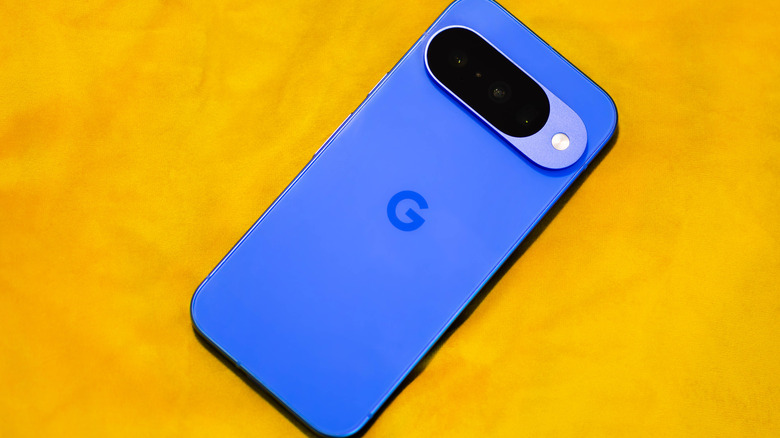
Google is one of the leaders when it comes to smartphone support, offering seven years for its latest phones, dating back to the Pixel 8 series. This is great news for those who buy the already competitively priced phones, giving you confidence that you can use it for many years and still get all the latest software updates and security patches.
It also means you can confidently hand it over to a friend or family member when you upgrade, even sell it online, and it holds more value. Essentially, chances are that the phone will outlive your desire for it. But is this really the case?
While Google does support its newest phones for seven years, there are things to take into consideration. First, they don't always get all the updates in the latest Pixel Drops, especially if a feature requires more power than the phone can support. You may find that a phone skips a few updates even within the seven-year period. Plus, a phone's battery degrades over time. As Google Pixel's become more powerful and thus more taxing on the battery, it's likely the battery will die and at least need replacing long before those seven years end.
Software support can still be limited
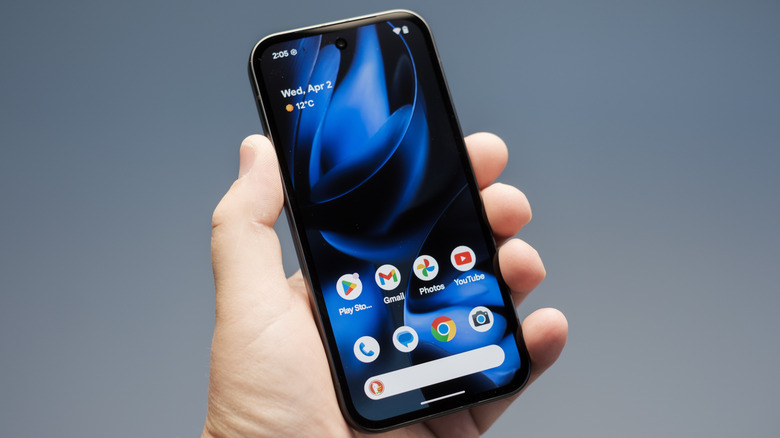
Google releases Pixel Drops, new sets of feature for its phones, every few months (or at least quarterly), including the latest June 2026 Pixel Drop. You might presume that all these features will come to any phone that falls within that seven-year window, but this isn't always the case. The demands of newer software can sometimes be too much for older phones. This means that while the device will technically last and be supported for as long as promised, it won't necessarily get all the latest features.
Consider that with the Google Pixel 6, which technically should be supported through October 2026, it didn't receive a few Pixel Drop updates in 2025, and the last it received was in September 2025. This phone was sold prior to the seven-year promise, and support was extended from three years to five, but it's an example of how updates may be fewer and farther between as a phone ages.
The latest phones are much more powerful, of course. But as Google develops more intense AI-driven features, we may see a similar pattern with older phones like the Google Pixel 8 launched in 2023 as we near the later years of its seven-year support run. It's worth noting that many Pixel phone owners report that their devices do last for up to five years, some even longer, though occasionally with issues, depending on how heavily they use them and how often they're charged.
Battery life will get you first
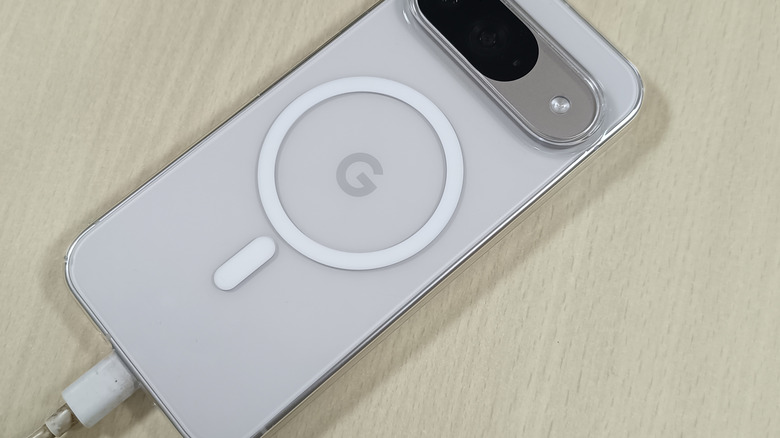
Even in a perfect world, if a Pixel phone that was five-plus years old did get every Pixel Drop and Android OS update, would it even still be functional by then in its original state? While the phone would likely still work, battery life degradation is unavoidable. Lithium-ion batteries support a limited number of charge cycles. They're usually rated to last for about 500 charge cycles at 100 percent health, after which they begin to deteriorate.
There are ways to improve your phone's battery life, but the average lifespan for a smartphone battery is about three-to-five years, which means the battery is likely to go long before the seven years is up. By this time you'll be out of warranty, and have to buy a new one. Batteries are expensive and it's probably more cost-effective to upgrade to a new phone than to pay for a battery swap, especially for Pixel phones that only have moderate repairability scores.
Plus, many people switch phones after two-to-three years anyway, because they want something newer, the old phone no longer meets their needs, or their carrier or a retailer is offering a killer deal to upgrade. Companies like Google and Samsung promising lengthy support is a welcome and appreciated reassurance for those who decide to hang onto their phones for as long as possible. But for most customers, it's more marketing spin than anything else, and a benefit they'll never actually realize.