

Why Don't People Use Satellite Phones?
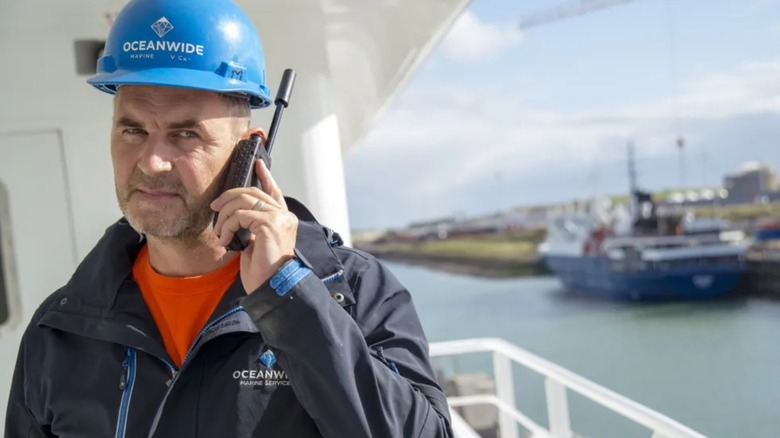
Smartphones are downright essential for modern life, but they weren't the first mobile phones on the market. Satellite phones (i.e., phones that send calls by communicating with Low Earth Orbit satellites) beat the first cell phones to the punch. However, satellite phones have all but died out, and it's not just because you can use apps such as Apple TV and Nintendo Music on Android phones.
On paper, satellite phones sound more efficient. Normal smartphones route communications through entire networks of cables and cell towers, whereas satellite phones only need to bounce conversations off satellites. However, while satellite phones indeed cut out the middleman, any call through them is prone to lag since even the closest satellites they use are thousands of miles away. Furthermore, each call is expensive. Sure, $50 for an unlimited phone plan sounds like a lot, but that's $50 for all your phone calls, messaging, and web browsing for a whole month. By comparison, a call on a satellite phone costs $2 per minute on average, which is too expensive for most users.
The disadvantages don't stop there. While smartphones have become so small and thin that you can fit them into your pocket, satellite phones need to be large and bulky. Otherwise, their antennae (yes, they still use antennae) would be too weak to communicate with satellites. And the icing on the cake? Satellite phones are actually illegal in some places. You can use a smartphone to call people while on vacation in, say, Cuba, but satellite phones are prohibited there. Still, you should always use eSim cards while traveling abroad, but that's a story for another article.
Satellite phones still fill a niche
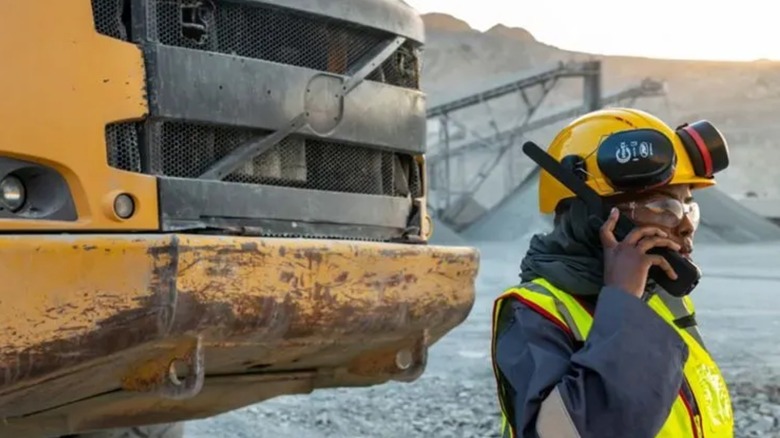
While cellphones primarily use cell towers to send data, messages, and calls, modern smartphones can also connect to satellites in an emergency. You might assume this technology would render satellite phones obsolete, but some holdouts still rely on satellite phones.
Since satellite phones don't rely on (and aren't limited by) cell towers, they are perfect for people who need to stay in touch while visiting locations with limited or unreliable communication infrastructure. People who work in remote locations and emergency response teams rely on satellite phones, as the former tend to visit areas without cell towers, whereas the latter can't rely on local cell towers being up and running, especially after disasters. Plus, astronauts use satellite phones ... in a sense. They don't utilize the same devices you and I would use if we needed a satellite phone, but the technology is more or less the same.
Of course, plenty of companies sell satellite phones for people who just want to stay in touch while camping in the woods, on a boating trip, or anywhere else with unreliable cell service. Companies such as Iridium Satellite Communication and Garmin sell satellite phones, but they aren't cheap, so if you only need one for a weekend, you might want to consider renting the device instead.