

Your Android Has An 'End Of Life' Date Just Like Every Other Smartphone
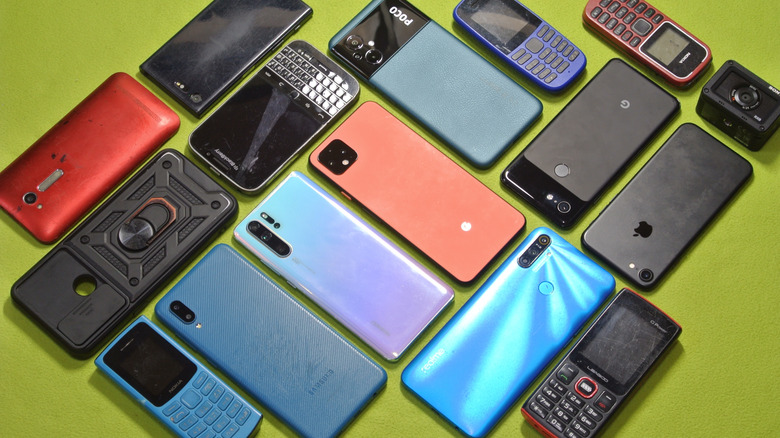
Whether it's an iPhone or Android device, your smartphone doesn't come with a "best before" date like the dates printed on packaged food. Smartphones don't expire in the same sense. However, there is a practical expiry date that applies to all smartphones, one that every buyer should be aware of, no matter what software platform or smartphone vendor they may prefer. The "end of life" date for smartphones is the day the vendor stops releasing software updates to the handset. This is less about the major software releases that bring new features to smartphones every year. It's about the security updates that keep you safe from vulnerabilities in the software that hackers can exploit and put your digital data and money at risk. When the smartphone stops receiving security updates, it becomes a liability. The good news is that there's an unofficial way to find out when your smartphone is supposed to expire – the End of Life website. Even without this resource, there's good news for Android fans, as several vendors offer much longer support than before, extending up to seven years after the phone's manufacture date.
Samsung and Google are two of the key Android device vendors that offer up to seven years of software updates for their newest flagship devices. These guarantees are recent, as the two companies started making these commitments in 2023 and 2024. Before that, Samsung flagships would go up to four years, while some Pixel devices would receive up to five years of updates. Cheaper Samsung devices may get up to six years of support, which is still a long support period for buyers looking to use a handset for a longer time. Other Android vendors have also followed Samsung and Google's lead, but most of them don't match the seven-year guarantees.
How to see when your Android phone will reach end of life
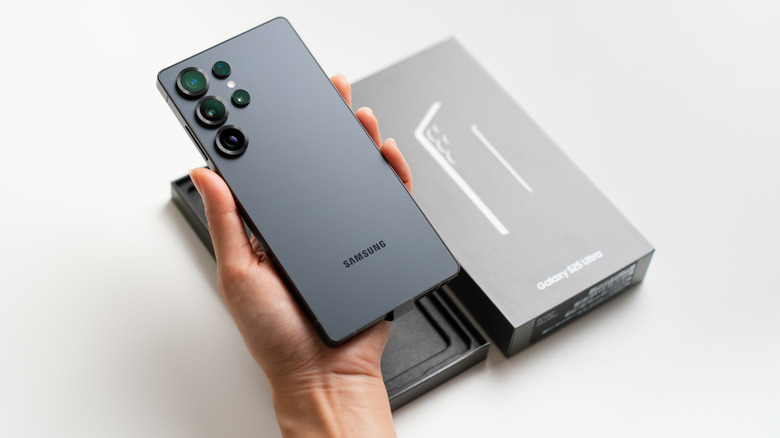
Samsung's practice is similar to what Apple has been doing with the iPhone since the original model. Apple has been providing several years of updates to older iPhone models. For example, the oldest iPhone to run iOS 27 is the iPhone 11, which was released in 2019. Not all smartphone buyers may be aware of how many years of support their smartphone is set to receive when buying a new device. Some people may not even care, especially buyers who upgrade their handsets more frequently. The newer and more expensive the handset, the better the software support. But considering that tools like endoflife.date exist, you may not need to remember the support window about your Android phone is set to receive.
Just load the website in a browser, go to the Devices section, and look for the product you own. The website lists smartphones from various vendors, including Apple, Samsung, and Google. The Devices list also includes smartwatches and tablets, so owners can also search for the end of life of other products.
For example, the Google Pixel category includes all the Pixel models released to date in reverse chronological order. The latest entry is the Pixel 10a, which was released in early March 2026, according to the table. Google announced the handset in February 2026. The End of Life website mentions the date when the phone will stop receiving Android updates, 1 March 2033. Google will also provide security updates until the same date. Scrolling in the list to the Pixel 8 Pro, released in early October 2023, shows the "expiration" data for this model. Android and security updates will end on 1 October 2030. The Pixel 6 Pro will "expire" much sooner, in early October 2026.
Can you use an Android phone after it reaches end of life?
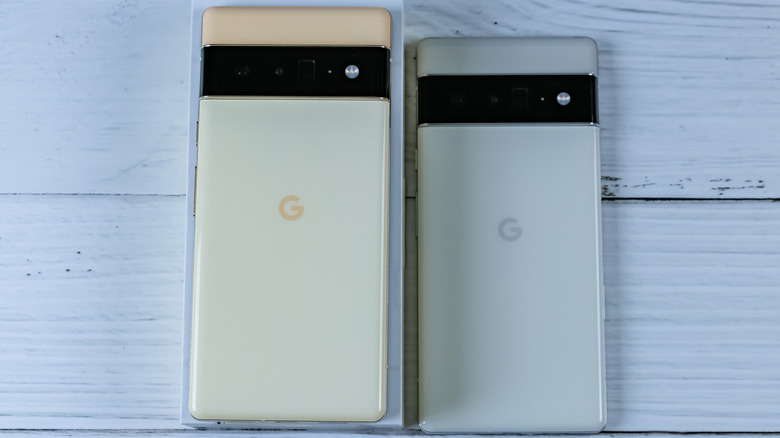
The Pixel 6 Pro in the example above will not stop working once the official support expires. Owners can still use it for as long as they want, assuming the handset can offer a reliable, fast experience, and the battery life and battery health are still good. However, using a phone after the software support ends is risky, especially for users who aren't familiar with online security threats and who are likely to click on malicious links or download content from shady sources. Hackers can take advantage of potential exploits in Android that will not be patched on older devices that no longer receive security updates from the vendor. These attacks may target a user's mobile banking apps and personal data on the handset.
That's why the End of Life website can be a useful tool, especially for Android users who do not purchase Samsung and Google phones that have long software update guarantees. They can easily look up products from other vendors to determine whether a phone should still be trusted for daily operations, including browsing the web and using sensitive apps.
That said, Android users should also consider other factors when deciding to upgrade a phone. Even if a Galaxy or Pixel device is rated for seven years of updates, it may not be worth using the handset for that long. The battery will inevitably degrade and require replacement. Other components may be damaged over time, like the screen or the charging port. Also, the processor may feel slower after a few years of use. In such cases, it may be better to upgrade the handset rather than wait for the software to reach the end of life.