

8 Reasons Why People Are Ditching Their iPhones For Android In 2026
We may receive a commission on purchases made from links.
Apple released its first iPhone back in 2007, and the device quickly — and completely — changed the mobile phone industry. As evidence of this, iPhones have become the best-selling smartphones on the market year after year, but that doesn't necessarily mean that all iPhone owners are satisfied with their choice of choosing iOS over other options. From specific feature gaps explaining why a power user would choose Android over iPhone to more general signs that it's time to switch from iPhone to Android, there plenty of reasons why someone might switch over from the ubiquitous iPhone to one of its Android-based rivals.
Many of the frustrations that lead users to ditch their iPhone have existed for years due to the main design and elements of the device, while others have become more apparent over the years either as missing features on the iPhone or new upgrades offered on the Android. This list of reasons why people are ditching their iPhone for an Android comes from actual, real-world catalysts cited by online forum users, commenters and former iPhone owners for their decision to make the switch.
They want a fully customizable phone
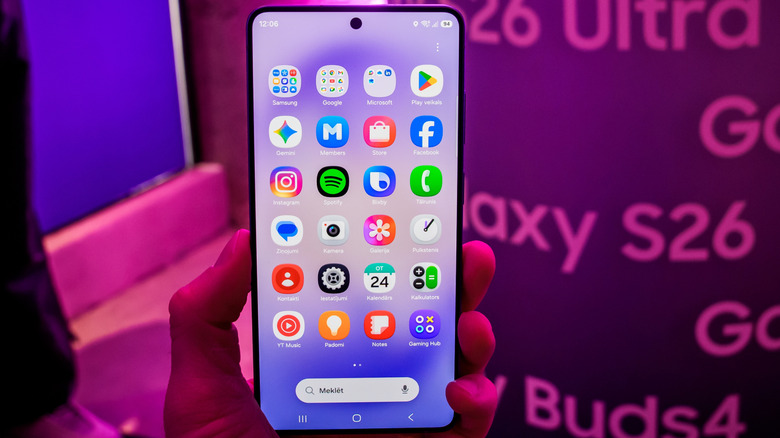
One of the oldest and most popular reasons that users claim to have chosen an Android is the level of customization these devices afford. That ability to personalize an Android smartphone is important enough that it's often mentioned online as a reason people want to switch from iPhone, and that's been the case for many years. That customization gap has narrowed with recent iPhone generations thanks to iPhone users have been able to enjoy widgets since iOS 14, released in 2020, and lock screen customization came along with iOS 16 in 2022.
But there's still a lot that you can do on an Android phone, that's not available on an iPhone. For example, there are plenty of Android launchers that users swear by, which completely change the phone experience. You're able to pick different fonts, customize system-wide themes, and choose animations for different tasks. Users of certain versions of Android get even more, like Material 3 Expressive which lets you create system-wide color schemes on stock Android.
They want a phone that's a lot cheaper
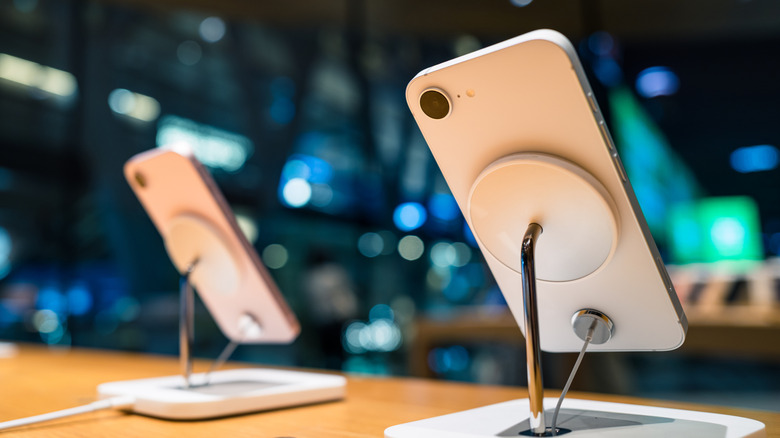
When iPhone owners discuss ditching their tried-and-true ecosystem for Android, price is often one of the first points brought up. If you want a cheap iPhone, the most affordable model which Apple currently sells is the iPhone 17e for $599. This undercuts the other models, like the iPhone 17 which begins at $799, but if you want to spend less, you'll either have to buy a pre-owned iOS device or ditch your iPhone entirely. You can pick up handsets from brands like Motorola, Blu and even Samsung for under $100, for example, and there's a huge selection at a multitude of price points.
Some Android phones cost way less than others, because there's a much wider range of devices that run the operating system — Some of Android phones match iPhones in price and a few exceed them, but many are a lot cheaper. Examples of this price spectrum include the Samsung Galaxy A57 for $549, the Google Pixel 10a for $449, and the Moto G Play for $249.99. These are the tip of the iceberg, though, as there are plenty of reliable budget Android devices that undercut the cheapest iPhone.
They don't want to tear their hair out at their phone's keyboard
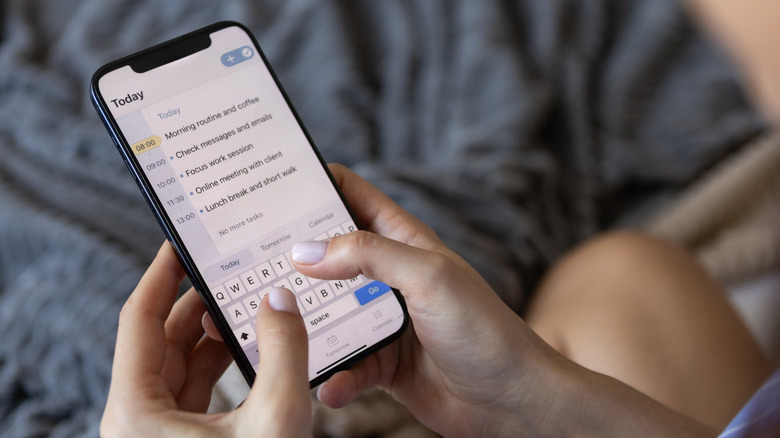
One of the biggest complaints iPhone and iPad owners have of their devices, tends to be that the iOS keyboard is really bad. Users frequently criticize the way slide to type doesn't work well, some keyboard shortcuts don't work effectively, punctuation isn't in a convenient spot, and the autocucumber — sorry, autocorrect — is "garbage." It's a problem that people have been complaining about for years, but Apple has yet to fix the problem. Some iPhone keyboard tricks will help you type faster and can solve the situation somewhat, but lots of people opt to change iPhone keyboards instead. Google and Microsoft both have installable iPhone keyboards which online users recommend as an alternative to iOS' default setup.
Many online discussions discuss the woes of the iOS keyboard, usually in comparison to Android's default Google Board, and there are plenty of people online looking for advice on how to get the iPhone keyboard to behave more like an Android one. Rather than dealing with this headache, many users will simply choose to use Android device instead.
They want to use physical SIM cards
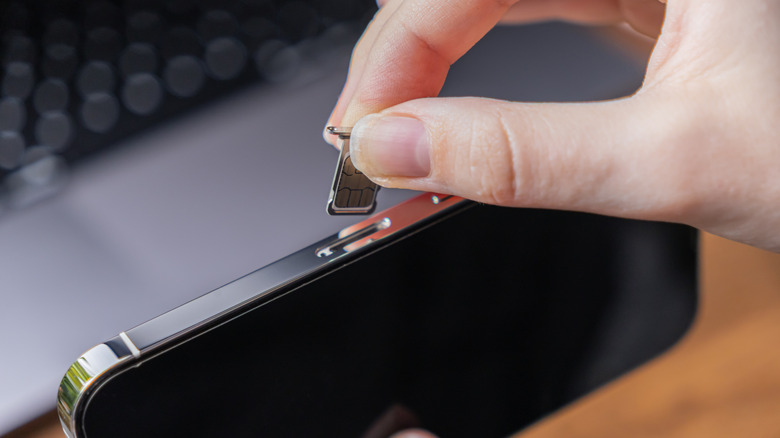
If you live in the US, you'll have noticed that modern iPhones don't come with a SIM card slot. It's still a feature of Apple's devices outside the US, but American residents need to rely on eSIM, a digital equivalent to the physical card which you load straight onto your phone. In the eSIM vs SIM debate, there are plenty of reasons why someone would prefer eSIM, like its added security or convenience. However, there are plenty of reasons people prefer the physical card — as proof, just like at the number of people who're choosing to forgo the iPhone ecosystem, to use a SIM-slot-toting Android.
Frequent travelers discuss how the use of SIM cards make it more convenient when they're abroad, sometimes suggesting importing foreign iPhones (which still have SIM cards) or using Android. Others complain about eSIM carriers being unreliable, while adding that iPhones shouldn't rely on the technology. Many users are happy with their eSIMS, but there are enough naysayers who recommend buying Android to suggest it's a divisive issue.
They want to enjoy ports and jacks most iPhone users forgot about
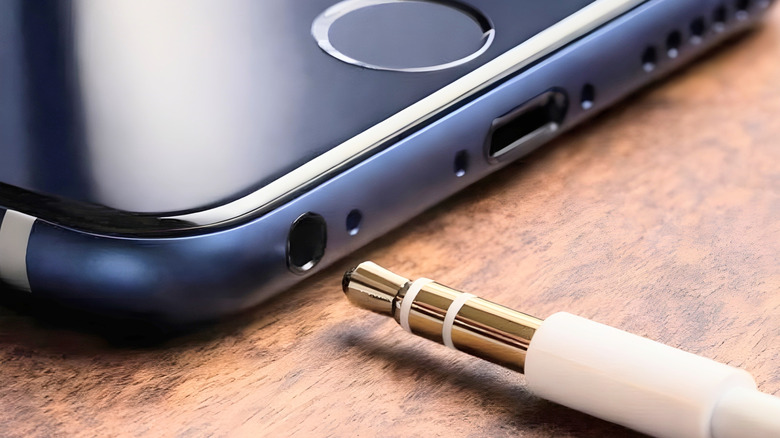
Your iPhone can do a lot, but there are it lacks a few features that some people would prefer to have, and if an Android device has said feature, it gives them a reason to change teams. No iPhone has ever had a slot for microSD cards, so you've never been able to expand storage with a built-in slot. Apple's cell phones also haven't had 3.5mm headphone jacks for over 10 years, since the company dropped the features in the iPhone 7.
These physical features are incredibly handy in certain cases. A headphone port lets you enjoy wired audio without needing an adaptor or converter, and picks like the TCL K70 prove that it's still a useful feature on certain mobiles. A microSD card slot lets you keep lots more data on your phone, with handsets like Sony's Xperia range offering them to allow professional users to capture and keep lots of photo or video data. Users online are often pleasantly surprised by how easy data management is on Androids, with the extra ports and jacks proving useful for plenty of people. Not all Android phones have these features, though, so you'll need to shop around to find the best Andorid phones with headphone jacks.
They want to sideload apps easily
There are reasons you might want to install apps from another source than your mobile's default app storefront — that's Play Store on Android, App Store on iPhones — but it's no secret Apple doesn't want you sideloading, and so it doesn't allow you to do so easily. If you live in the European Union or Japan, you're able to use alternative app marketplaces by using a storefront that isn't the app store, but this isn't available if your iPhone location is outside of these regions. For U.S. iPhone owners, sideloading is a complex job that prevents many people from even trying.
That's not the case on Android, which has many app stores readily available from the Play Store and offers an easy process to install other apps you can download off the internet. On many tech forums, it's treated as fact that sideloading is a lot easier on Android than it is on iOS, and it's often mentioned as a big reason people switch from iPhone to Android. This may not be true forever, though, as Android is changing its sideloading rules to prevent scam apps. In the future, the process will intentionally be trickier, so you'll need to restart your phone and wait for 24 hours before you can use your new app. So perhaps soon, Android and iPhone will be equal in how difficult sideloading is.
They want a back button that actually works
Many of the reasons ex-iPhone users cite for jumping over to Android are about important features that dramatically affect how they use the phone, but some others are simple and small tools that can be infuriating if implemented wrong. For example, an oft-mentioned reason that people prefer Android to iOS, is complaints over iOS not having a system-wide back button, which you can use to step backwards regardless of which app you're in.
Instead, apps can have their own back function, but these are often quite different between tool and inconsistent. It's such a pervasive and infuriating issue that some buyers make it their entire reason for picking Android over iPhones. On Androids, you can always swipe in (if you have gestures set up) or press the back button (if you use the navigation panel) and your phone will take a step back, leaving an app if you've just opened it or going to a previous page if appropriate. According to many buyers, this inconsistent application of a back gesture is a big benefit to Android over iPhones, although it's likely an issue that Apple could solve with a well-placed iOS update.
They want to use brand-new phone designs
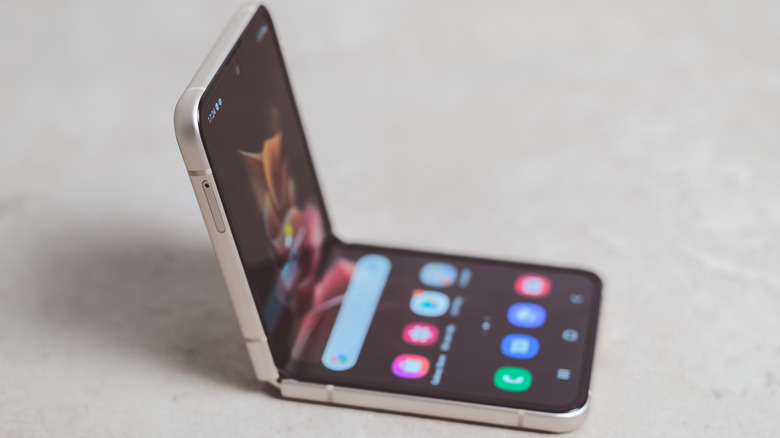
Apparently, the iPhone Fold is coming, but until it does, iOS users can only enjoy phones in one form factor, and one form factor only: the standard chocolate-bar box shape. iPhones can range in size, but they all look nearly identical. That may be fine for many phone users, but there are some who want a smartphone they can fold to make it small or unfurl to increase the display size. These buyers have no choice but to ditch iOS to pick up an Android
All of the best folding smartphones are Android ones, and you can buy these phones in various shapes and sizes. There are clamshell-style flip phones, book-format foldable ones, and tri-fold models which have two creases and fold down in a Z shape. The ability to use such a phone is frequently cited as a reason people switch from iPhone, with buyers particularly praising the bigger screen size a foldable can offer, though the opportunity to test a completely new kind of phone is what excites buyers most.
Even if Android buyers don't want a smartphone that folds, there are plenty of other design traits unique to Android. The Samsung Galaxy S26 Ultra has a build-in privacy display and stylus, for example, while the Nubia Red Magic 11 Pro has shoulder triggers for gaming and the Poco F8 Ultra has a built-in subwoofer. The iPhone offers none of these.