

4 Smart Devices Homeowners Should Think Twice Before Buying
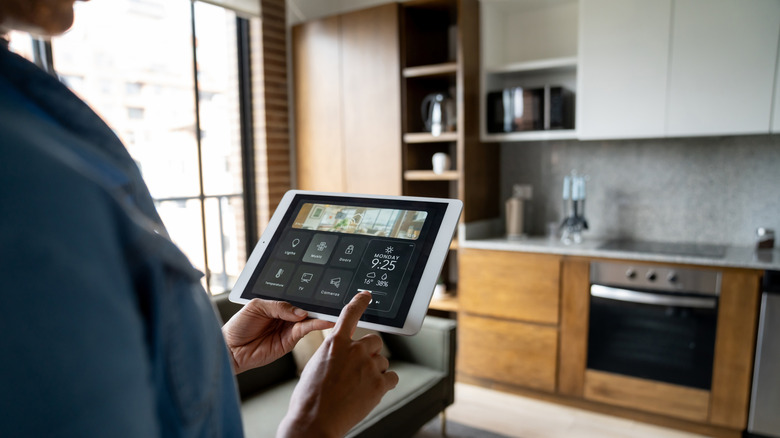
There are a lot of different types of smart tech you can add to your home these days. From smart home assistants like Google Home, to smart thermostats and even smart leak detectors, the variety of genuinely useful smart home tech available to you is expansive. On the flip side, though, there's also a lot of not-so-good smart home tech, too.
Sometimes these devices might just be a bad purchase decision because of the price-to-features ratio and how much they actually offer you, and other times, the reason that you should think twice before buying certain smart home tech comes down to overall privacy and security. Your home is your safe haven, after all, and you want to be sure you aren't accidentally opening it up to any kind of cyberattacks, especially as the world of AI continues to expand and we see things like security researchers taking over a smart home with a single Google Calendar invite.
Smart locks
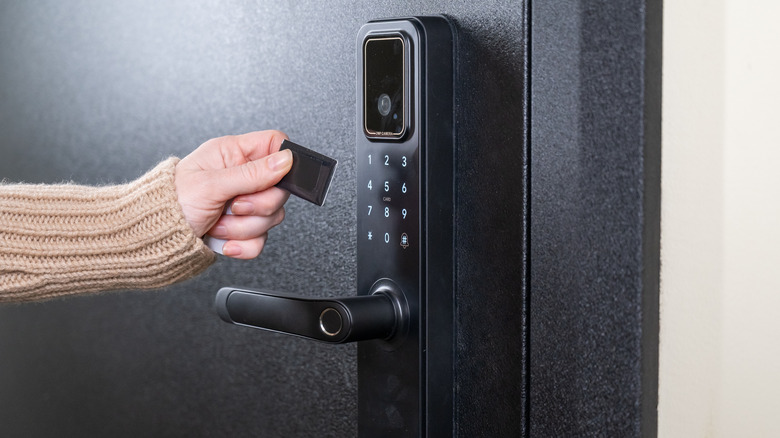
One of the big pieces of smart home tech that have become really popular in recent years are smart locks. There are plenty of options out there from brands like Wyse, Dufy, and more. However, one big problem you need to take into account with this type of smart home tech is that smart home locks might not be a good fit for everyone.
While they can be exceptionally convenient, and many do come with 128-bit encryption — useful to help to mitigate data leaks and privacy concerns — there are other things to keep in mind. For starters, many of the best smart lock brands require some kind of app to help set them up, which means having a password and username that is both safe and secure, as well as easy for you to remember when needed. Because we're talking about something that controls who can enter your home, you will want to ensure you avoid falling into dangerous password habits when setting things up.
You'll also want to be aware of how long the lock manufacturer plans to support the device itself, and that it can actually receive updates. Not being able to receive updates could leave your smart lock open to any exploits that are discovered, as the manufacturer won't have any way to patch those vulnerabilities. As with anything related to home security, be sure to compare different options together and look for the most secure option that you can within your budget.
Robot vacuums
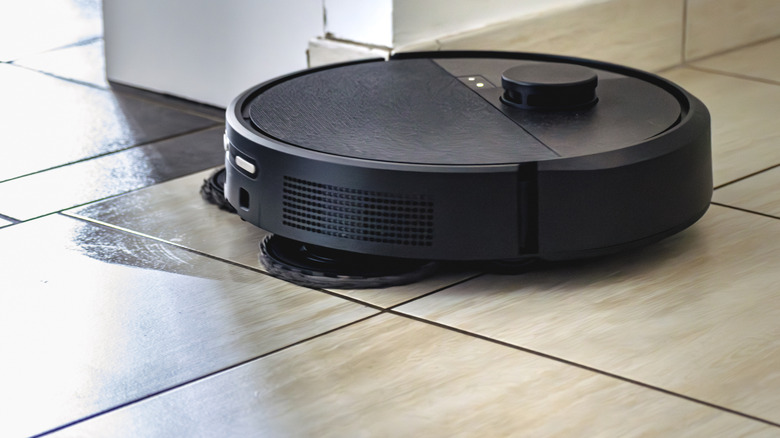
Robot vacuum cleaners can be a huge convenience upgrade for helping to keep your house clean, but according to reports, they can also be a privacy and security nightmare. A hobby coder was able to reverse engineer the communication protocols on his DJI Romo as a way to control his vacuum cleaner manually using a game controller, but he soon discovered that his home-brewed app was actually able to connect to DJI's servers and around 7,000 robot vacuum cleaners attached to the service.
We've also seen prior reports that LG's SmartThinQ devices suffered from a similar exploitation, allowing bad actors to take unauthorized control of smart vacuums and other smart home tech, giving them a glimpse into the homes of real people using those products. In the case of the hobby coder, reports say he was able to even go so far as pinpointing the robot that belonged to a specific journalist, and then he was able to produce an accurate map of the house's floorplan through that access alone.
While these kinds of exploits are likely high priority for patching by the manufacturers, the fact they exist at all helps to showcase the potential danger of using smart home tech like robot vacuum cleaners. That's why you should always do your research and compare reviews to find the best robot vacuum cleaners, as well as look at reports on their privacy and security functions before purchasing one.
Smart TVs
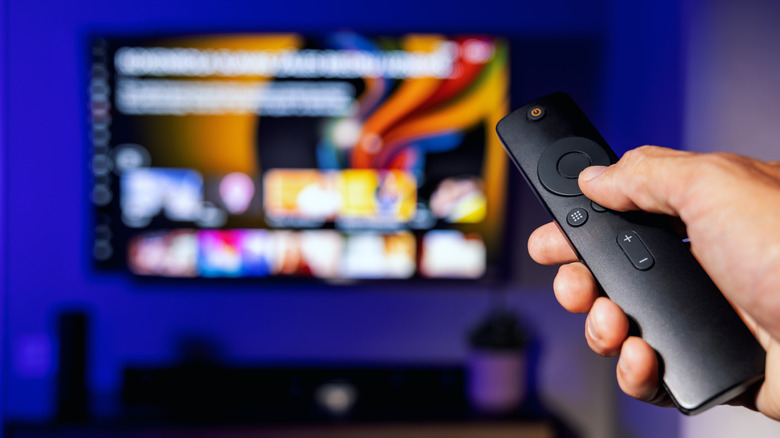
There are plenty of smart TVs out there, and plenty of reasons to avoid some of them, including quality, viewing angles, and user privacy and security. One of the reasons smart TVs have become so widespread is because of the extra convenience they bring, putting your favorite streaming apps directly on the TV itself. However, many of these devices also come with potential downsides in the form of privacy-affecting settings and features such as personalized advertising, which basically watches how you use your TV to help provide advertisers with information they can use to target you with specific advertisements better. It can make it feel like your TV is spying on you, and, in a way, it is.
While some people recommend not connecting your TV to the internet at all — as a way to help avoid the privacy-related issues like personalized ads — that isn't exactly helpful if you want to use the smart functions built into the TV. Instead, you should stick with brands that you trust, and be sure to research what kind of privacy settings those brands offer, and make any changes that you want to. For example, if you want to turn off personalized advertising on a Roku TV, then you can always change these privacy settings to help keep your data more private and protected. Smart TVs can act as gateways to the wider array of smart devices in your home, so it is always a good idea to verify that you're taking good steps to protect yourself and your online security.
Smart devices with subscriptions
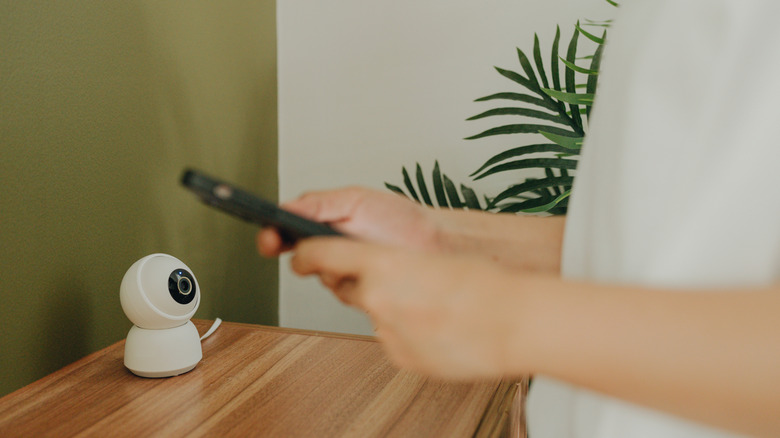
As the Internet of Things (IoT) expands, everyday home tech is becoming smarter and more connected. While you can use smart TVs and some other smart home tech without needing to spend anything beyond the hardware cost, others are locked behind subscriptions. Because of this added cost, we recommend doing your research before buying into smart home devices that come with subscriptions.
There are caveats to this, though, as subscriptions can potentially come with benefits, like discounts and even extended support for the device. It's important to look into the device that you're planning to buy and then determining whether the subscription is worthwhile or not with the benefits that it brings to the table. Devices without subscriptions, on the other hand, come with the added benefit of not having any sneaky fees to worry about, especially since subscription prices can vary and increase as the years go by.