

How Safe Are Smart Locks?
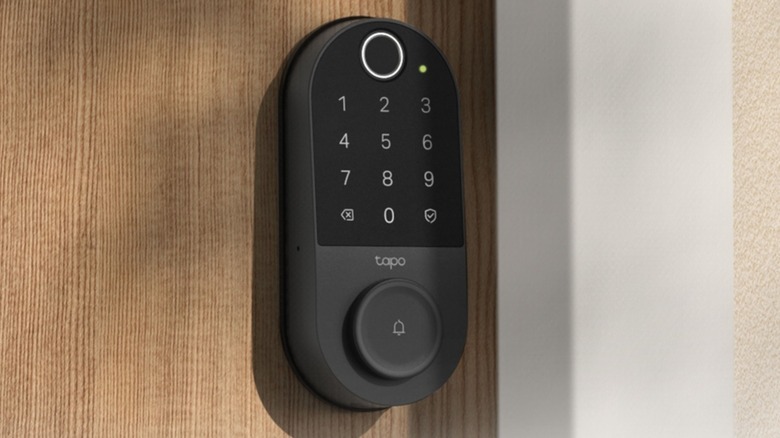
Your house can never be too safe, especially if you have a smart home, so don't believe the myth about smart houses being difficult to set up or maintain. Plus, there are plenty of easy smart home upgrades for beginners. Smart locks are one potential option, but people might wonder if they're more secure than traditional locks. Well, yes and no.
At their core, smart locks are just electronic deadbolts. Many have keypads like those you see on high-tech safes in shows and movies, while others can be unlocked with your phone. Some of the best smart locks you can buy also feature fingerprint scanning technology and bundle many of these features together — along with physical keyholes for backup.
Assuming you purchase a smart lock that doesn't require a key, you no longer have to worry about being locked out should you lose that key. You do have to remember a code, and with some smart locks, make sure your phone has enough charge to connect. Unlike regular locks, you can change the code as needed, instead of hiring a locksmith should you misplace the keys. And if you're expecting guests, they can let themselves in with a shared password. No more hiding keys under rocks that burglars might discover. But this doesn't mean smart locks are foolproof.
Just because a lock can't be picked, doesn't mean it can't be hacked
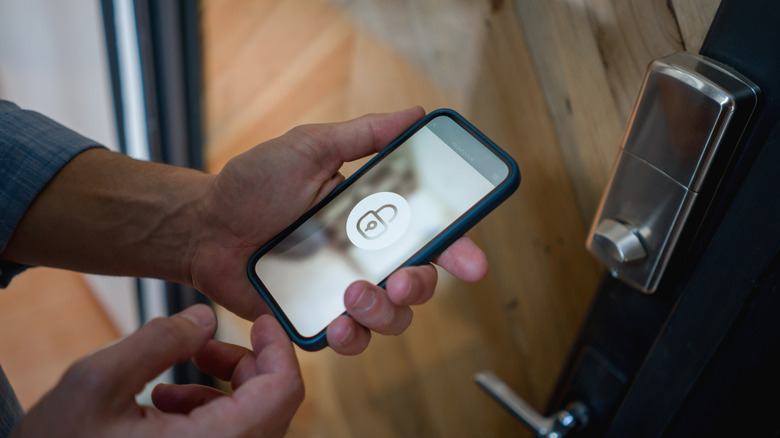
Smart locks that lack an opening to insert a pick mean would-be intruders can't break in through traditional means, and those that include keyholes typically pack safeguards that prevent this. Fail-safes, such as a feature that locks someone out if they enter the wrong code too many times, are also commonly included. However, this doesn't mean smart locks are safer than standard door locks; it's just a different kind of security.
Let's start with the most obvious flaw in smart locks: The code used to unlock the device. Normally, this string of numbers is known only to you, but home invaders can figure it out if they're smart, or very lucky. If, for instance, someone's phone or email account is compromised and they receive a message with the door code, a hacker would gain the metaphorical keys to your kingdom. And if you tend to reuse passwords and PINs, a hacker could guess your smart lock combination with information found via data breaches.
While many smart lock manufacturers claim their devices are virtually unhackable due to login-masking encryption, should a hacker access your router via malware or a connected device, they could get through that lock. By taking precautions to protect your smart home from hackers, like using multi-factor authentication and a local network, you make it that much more difficult for someone else to open your smart locks remotely. All that said, reported cases of smart homes being hacked for petty theft are rare.