

Uber And Lyft Surge Pricing Is Affecting Some Users More, Says Consumer Reports
A recent investigation conducted by Consumer Reports has revealed that some users may see "dramatically different prices for the same Uber and Lyft rides at similar times." According to CR, this goes beyond typical dynamic pricing. There's reason to believe that these rideshare apps are adjusting prices based on how much an AI-powered algorithm thinks the user is willing to pay, rather than basing the price on supply and demand. Uber is one of the most notable examples among everyday apps that are tracking your activity, and the company might be using that data to make you pay more for rides.
The practice of dynamic pricing is nothing new. Since the '80s, airlines have been dynamically changing ticket prices based on market conditions so they can maximize profits per flight. Rideshare companies like Uber and Lyft adopted this methodology, branded it as "surge pricing," and defended it as a consumer-friendly model.
By prioritizing transparency in price changes, riders can make an informed choice on whether to pay for a more expensive ride or wait for the cost to decrease. However, that notion is only defensible if every rider sees the same price at all times.
How Consumer Reports tested Uber and Lyft price discrepancies
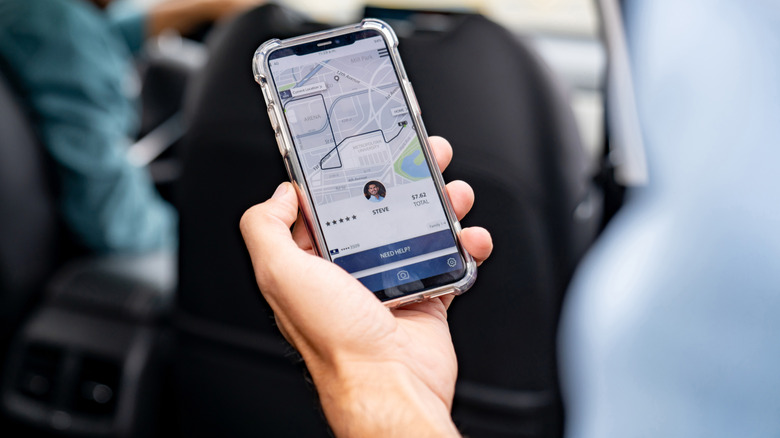
Consumer Reports launched its investigation in response to consumer complaints and observational reports regarding the possibility that different customers were paying significantly different prices for rides in the same area within just a few minutes of one another. To test this, a team of volunteers across 17 states recorded and compared price quotes for the same trips across select routes. Furthermore, a team of riders was matched with a pre-selected pool of drivers via the rideshare apps, and the receipts from those in-person tests were also compared against each other.
The result was a clear and distinct discrepancy in price. In one example, a volunteer was quoted a "discounted" rate of $89.05 for a ride along his selected route in Florida. Another volunteer selected the same route just one minute later and was quoted an undiscounted price of just $65.95. This was not an isolated phenomenon during testing, either. The median difference between the highest and lowest price groups on 30 virtual routes throughout the experiment was 42.4% — a staggering difference in price for two different people to have to pay for the same trip at the same moment.
The validity of CR's testing is supported by the publication's 90-year history of independent and nonprofit consumer-focused research and testing. It's not just a place to read about which major laptop brands to avoid; the CR team consistently helps people advocate for their own financial well-being in all aspects of daily life.
What Uber and Lyft's AI-driven pricing means for consumers
Consumer Reports compares the Uber and Lyft price disparity phenomenon to a similar CR investigation into Instacart from December 2025. According to CR, Instacart was experimenting with the use of AI-enabled software to group customers into separate demographics and charge them different prices accordingly. While Uber and Lyft reportedly deny that they use personal data to set prices or engage in any fictitious pricing or discounting, the testing certainly suggests otherwise. It's far too similar to the confirmed use of AI pricing by Instacart.
Unfortunately for consumers, rideshare and delivery services aren't the only places where AI is manipulating prices. A recent lawsuit highlighted how AI is allegedly being used to boost fuel prices in California. All of this paints a picture of how AI-driven pricing is making life harder for select groups of people. On the other hand, the AI-fueled RAM crisis is having a positive effect on the used phone market.
People are pushing against malicious uses of AI, and organizations like Consumer Reports are working to shed light on those harmful price-gouging practices. Things are tough for buyers and app users right now, but that's not for a lack of effort on the part of everyday people.