

3 Popular Kindle Loopholes That Amazon Killed
We may receive a commission on purchases made from links.
Corporations giveth and corporations taketh away. It's a recurring theme that has happened for years and continues to happen to high-profile products, especially in the tech world. Sony announced it's ditching physical PlayStation game titles for the next generation and embracing an all-digital future after 2028. Google, Apple, and Amazon are well-known for removing product features, whether to cut costs or force people to upgrade. Amazon has been in this race for decades, removing popular features since the early aughts. According to The New York Times, Amazon remotely deleted books from user accounts in 2009, which they had already paid for and downloaded.
More recently, Business Insider reported that Amazon is facing a class-action lawsuit that alleges it colluded with publishers to illegally drive up e-book prices. This is especially worrisome for anyone who owns a Kindle. Over the years, Amazon has killed off many features and plugged a few loopholes, workarounds, and hacks that help people improve their Kindle experiences.
The best example is Amazon discontinuing official store support for older Kindles; models made before 2012 can no longer connect to the Amazon storefront to buy or download books. Granted, some affected devices are more than 15 years old, but that doesn't change the fact that if you buy a product, you should own it. Though with Amazon e-books, you only ever own the license – which is true for most digital products, really. Bottom line, Amazon isn't opposed to removing loopholes the users enjoy to improve their Kindle experience.
The library backup option
In February 2025, Amazon removed the "Download & Transfer via USB" option from its site, which allowed users to manage their books offline and locally, as a means to streamline the reading experience, but that likely really means it wants the books you purchase through them to stay locked into its ecosystem. Being locked in is one of the many disadvantages of owning a Kindle.
This change also broke a third-party plugin in Calibre that allowed owners to convert their books to EPUB or plain text formats. Naturally, a workaround was discovered: If you used an older version of the Kindle software for PC — version 2.4.0 — you could still decrypt books you owned thanks to an older, outdated encryption format. The workaround was effectively squashed on April 22, 2025. Books published after that date cannot be downloaded by older Kindle for PC clients. Amazon's servers were updated to require newer app versions, so anything purchased after the deadline requires the latest versions of the software.
My Notebook copy and paste restrictions
While reading various books, you may discover text or quotes you want to save for later. E-book apps generally make this easy by providing a host of tools, many of which were natively available on Kindle. Users could highlight text, copy it, and paste as plain text to access later. For Kindle books, publisher-related copy limits still applied, so you couldn't just copy and paste an entire book; usually you could copy a max of 5% to 10% of the total text.
However, people used the My Notebook feature in the Kindle app or in the browser to get around this. They would first bulk copy text from a book to My Notebook, then they'd copy and save it in another document, as nearly anything you highlighted would be accessible, and it worked even after hitting the in-reader copy limit. In September 2025, Amazon removed this option entirely. You can still use My Notebook to highlight text and view it in the tool, but you can't select and copy it anymore.
This is a problem because the native cap includes everything you've ever highlighted or copied from a single title, and once it's in place, there's no way to reset it without getting support from Amazon. Deleting or un-highlighting previous passages doesn't free up more space. A few other workarounds cropped up, like using the Glasp browser extension or taking screenshots, but the latter is tedious and time-consuming for lots of text. As of now, any quotes or highlights you make remain in Amazon's ecosystem.
No more decryption for Kindle books (so it seems)
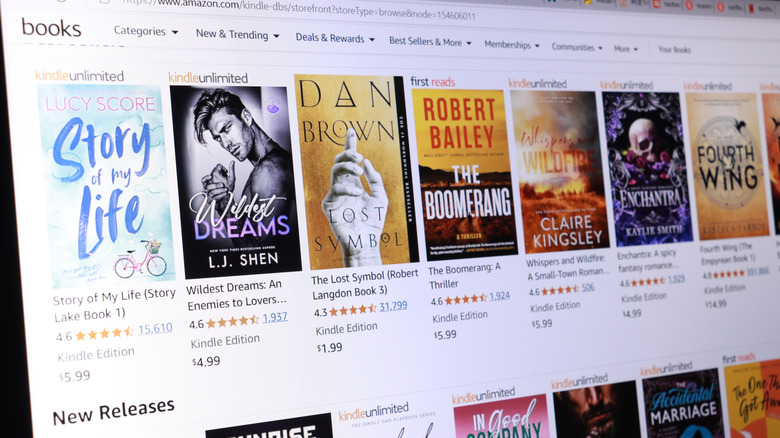
When Amazon released software version 5.18.5 in September 2025, it introduced stronger encryption measures for e-book files, mainly affecting 11th- and 12th-Gen devices like the Paperwhite, Colorsoft, and Scribe. It made e-book decryption more difficult and stopped a bevy of tools that were used for this process. New e-books downloaded to newer Kindles are in a KFX-ZIP format versus KFX. This is significant because they can't be decrypted with public DRM removal tools, and any books purchased after April 2025 are in this format and remain locked.
A limited workaround allowed owners of older Kindles, including jailbroken models, to access book copies from before that date. However, there are reports that a variety of Kindles running version 5.16.2.1.1 are seeing the new DRM protections further limiting library freedoms. Moreover, many who had previously jailbroken their devices are unable to access content, as well. It's no wonder people are ditching Kindles for non-Amazon e-readers in droves.
Purchase and download DRM-free e-books
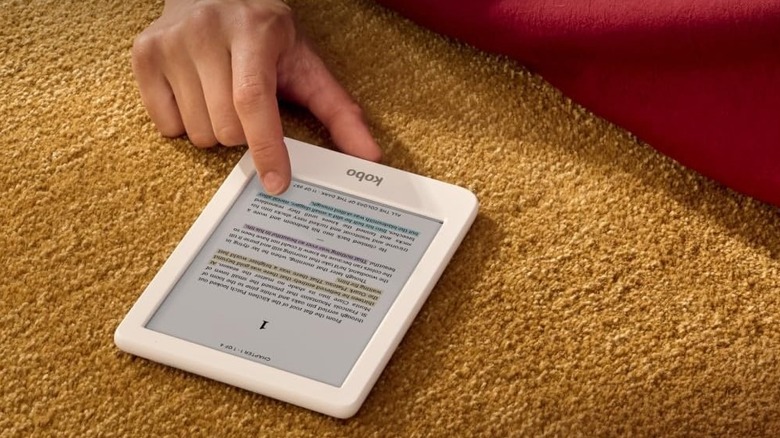
While not entirely a workaround and not something Amazon is restricting yet, you can buy your e-books on other storefronts or acquire them from other sources, even if you own a Kindle. That's really your best option overall if you want to truly own the books you purchase. Places to find DRM-free books include Project Gutenberg, ebooksdotcom, Standard Ebooks, Bookshopdotorg, and quite a few others.
If you're wondering how to get those books to your device, one of the most useful Kindle features you're probably not using often enough is made just for that, called Send to Kindle. If you don't already own a Kindle, or even if you have an aging model you want to upgrade, you can look at alternatives that do allow some of the features Amazon doesn't. Kobo is a great start, with the Kobo Clara Color (I currently own one of these) and the Kobo Libra Color being standouts. The Boox models are also great, like the Boox Go Series or the Boox Palma 2.