

5 Things To Know Before Ditching Your Smartphone For A Flip Phone
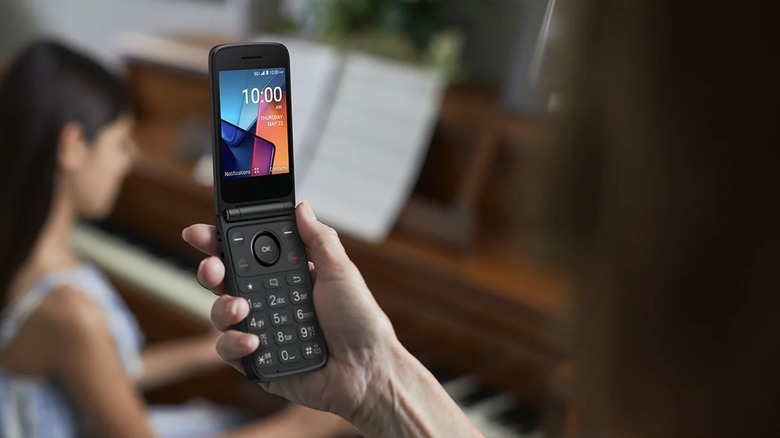
If you're feeling suffocated by your smartphone, maybe you've considered ditching it for a flip phone. We're not talking about flashy models from the likes of Samsung, Motorola, and Xiaomi; think more old-school style, revived by phones like the Nokia 2780 Flip, TCL Flip 4 5G, and HMD 2660 Flip. Going the flip phone route comes with various downsides to consider before ditching your smartphone. For example, you'll have to get used to an old way of tapping out messages, the image quality of the photos won't be as good as those taken on the most popular smartphone cameras, and navigation will be noticeably different.
That said, there are advantages to having one of the best phones for minimalists these days. For starters, you can take back control of your day, with less time wasted scrolling social media, playing games, and dealing with notifications. The change could result in better sleep, too, with fewer distractions before bed and less temptation to check your phone in the middle of the night. Let's look closer at what to know before ditching your smartphone for a flip phone.
Fiddlier to use
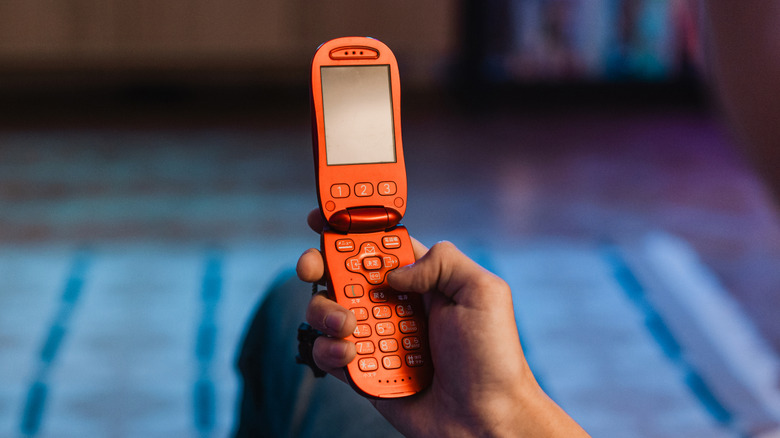
There's no getting away from it. Flip phones, like those from Nokia and HMD, are fiddlier to use than smartphones, with small physical buttons and displays making them unsuitable for much beyond making and receiving calls. While smartphones offer a range of digital keyboards, including swipe options, typing on a flip phone involves pressing physical keys, potentially several times, to access the letter or number you want to use. Adding things like punctuation can take additional steps that'll need to get used to.
Also, the relatively tiny screen will likely feel cramped compared to that big display on your smartphone. This could lead to some awkward scrolling using the D-pad simply to find a menu option or read to the end of a message. If you're coming from a smartphone, adjusting to a flip phone is going to take time. Some may find this process frustrating, though when it comes to texting, you could surprise your friend — and make things easier for yourself — by calling them instead.
A second-rate camera experience
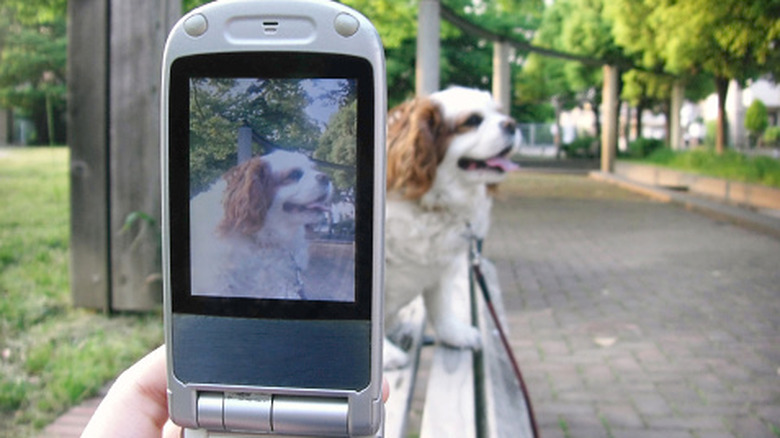
When it comes to taking photos and videos, smartphones have spoiled us. With multi-lens systems, high-quality sensors, 4K video, and professional-grade editing tools, the camera technology squeezed into these relatively small devices is astonishing. But for flip phones — even those launched in recent years — it's a different story. The camera's image quality will be inferior to your smartphone.
Both the TCL Flip 4 5G and Nokia 2780 Flip, for example, only have 5-megapixel cameras — the same resolution Apple introduced with the iPhone 4 in 2010 — and video is captured at just 480p. Editing capabilities will be basic, if they exist at all. TCL's Flip 4 only lets you rotate, crop, adjust exposure, and add filters, but working on a display that's just 240 x 320 pixels, you probably wouldn't want to do much else anyway.
If you enjoy sharing your photos and videos on various social channels, then maybe a flip phone isn't for you. Handsets supporting KaiOS, a lightweight operating system for select feature phones, should be able to launch a functioning version of YouTube, but it's designed for watching content, not uploading video files. As for apps like TikTok and Instagram, the phone's mobile browser will be your best bet, but the experience will be far from seamless.
Taking longer to find places
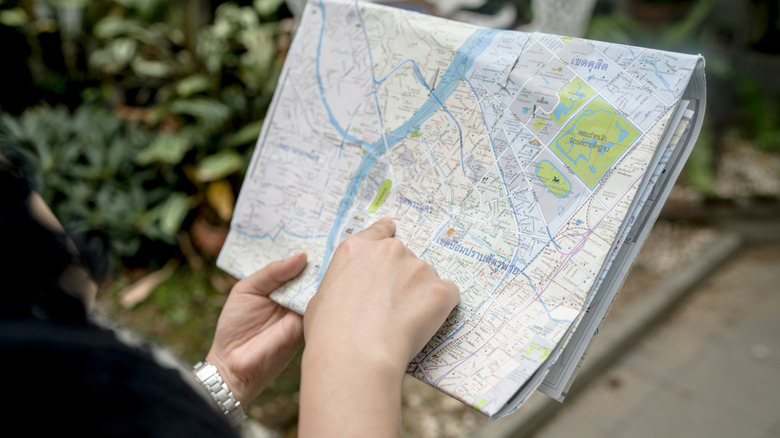
Easily one of the best things about smartphones is access to apps like Google Maps with all its hidden features that can make your trips better. The ease of finding your way around a new city, planning routes, and checking traffic conditions is a key part of what makes smartphones so handy. Years ago, taking a road trip involved leafing through a paper map, and squinting at the jumble of different-colored lines — which is precisely what you may have to do with a flip phone.
Phones like the Nokia 2780 Flip do run Google Maps, but it's very basic. With navigation, for example, the phone won't call out instructions, and you have to move the map manually to keep track of your location. Perhaps you can rely on a friend with a smartphone when traveling somewhere new, but with a flip phone, you might in fact need a paper map when on your own.
Still, being lost might turn into a positive, prompting you to engage more with your fellow citizens and do what everyone used to do years ago: Ask for directions. The bottom line is, without a smartphone, finding your way around new places is going to take longer.
A less enjoyable streaming experience
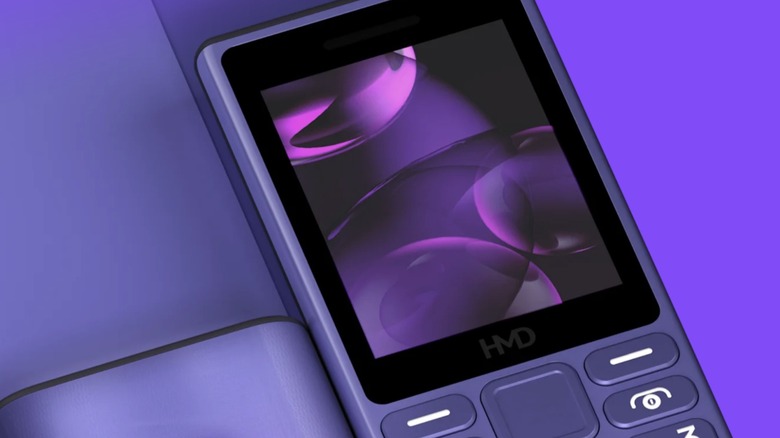
Anyone who loves streaming music, podcasts, and videos on their smartphone is bound to miss it if they switch to a flip phone. Some of these basic handsets might let you access YouTube via a mobile browser, but on screens measuring around 3 inches, the experience is going to be far from enjoyable. As for watching a Netflix show or a movie on Amazon Prime, well, perhaps you can launch them on the phone's web browser, but would you really want to watch the best sci-fi movies ever made on such a little display?
What you'll likely have with a flip phone is the ability to load a microSD card with your favorite tunes that can be plugged into a slot for listening. Yes, you could download video files onto the phone, but if you're doing that, you might need to consider why you're bothering to ditch the smartphone in the first place. For those interested in making use of this memory capability, however, the TCL Flip 4 5G supports microSD cards up to 1 TB, while the Nokia 2780 Flip offers a more modest 32 GB of storage space.
Greater inconvenience
Smartphones offer tons of easy-to-use apps, while flip phones have far fewer options that are generally more of a hassle to use thanks to the tiny display, physical buttons, and limited processing power. If you switch to a basic flip phone, managing banking services will involve firing up your laptop and heading to a website, or actually going to a bank. Ride-hailing services like Uber will be harder to use on a flip phone's mobile browser, too, so you may have to call a traditional cab instead.
Yes, there is some ability to access services via a flip phone's web browser, but considering the specs, you're likely to run into aggravation compared to doing so with a modern smartphone. Ditching your smartphone for a flip phone may be a challenge too far in this case. Unless, of course, you're doing so specifically to engage more with the world and less with your phone. In that case, it may be a great solution.