

Spotify Finally Updated One Of Its Best Library Features
Spotify has already added some great new features in 2026, including new ways to interact with other users and better protection for artist profiles. The latest update improves one of the streaming service's best organization tools: pins. These allow you to set specific playlists, artists, podcasts, audiobooks, and more to appear at the top of your library by simply pressing and holding an item and selecting Pin. It's a great feature, but until now, it was far too limited.
Since pins were introduced in 2021, Spotify has limited you to a total of four across all categories. After five years of user requests, the music streaming service is finally increasing that limit to 20 in an update rolling out starting today for all free and premium users. The company announced the news in an X post.
That's great news for those of us who have a lot of playlists or podcasts to swap between. However, if 20 isn't enough for you, there's an old workaround that'll help you further sort your library.
How to get around Spotify's 20 pin limit
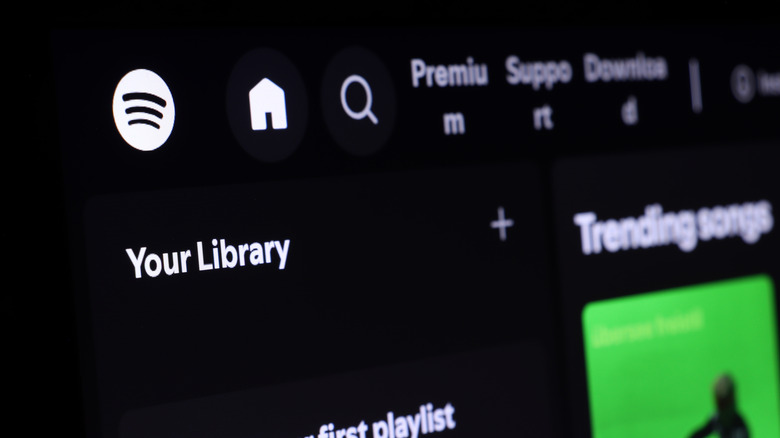
Before the latest update, Spotify users found a way to make the limited number of pins more useful through playlist folders — simply create a folder with your favorite playlists and pin that for easy access. This was especially helpful when you only had four pins, with the caveat that you couldn't create or edit folders on mobile until April 2026.
With these two updates, it's easier than ever to combine pins and folders to organize your Spotify library the way you like. If you use the service for a wide range of music, podcasts, and audiobooks, you might hit that 20-pin limit quickly, so the old folder trick remains a useful tool.
That said, a good update doesn't change the reasons why people are ditching Spotify. Some are even bringing back physical media like CDs amid rising subscription prices and a desire to own physical media. Companies like Sony make it clear why keeping your DVD and Blu-Ray collections is important. Spotify updates that address user feedback and improve the overall experience are great, but they don't change the uncomfortable truths about streaming services.