

5 Disadvantages Of Switching To Home Solar Power
Residential solar power has become very popular in recent years for those looking to save on household bills. By allowing homeowners to generate their own electricity, solar panels reduce their dependence on utility companies, which can significantly lower their monthly electricity bills. In addition, because these panels use renewable energy, they also help homeowners contribute to environmental well-being. However, even though this change brings many benefits, there are still some disadvantages to adding solar power to your home.
Switching to this new electricity source involves several technical and financial decisions that, for many homeowners, can reduce some of the advantages it offers. So, before signing a contract or installing panels on your roof, it's worth understanding why solar panels take years to pay for themselves and which other problems could catch you by surprise. We've outlined some of the biggest disadvantages you may encounter if you plan to invest in solar panel systems, or if you have already invested in one and want to prepare for potential issues. Every homeowner should keep these points in mind to make the most of the benefits solar panels can offer.
Solar panels require a large upfront investment
The promise of saving money with solar power is one of its most appealing points, but installation usually requires a costly upfront investment. In 2026, depending on the type and size of the panel system you plan to install in your home, the cost of installation in the U.S. can range from $15,000 to $30,000 before incentives. In fact, this is one of the biggest factors to consider before installing solar panels.
To make this type of investment, you need to have solid savings in place to avoid being caught off guard when you see the prices in the quotes you receive. You can also finance the system to reduce the immediate cost, but this adds extra expenses. In the U.S., the 30% federal tax credit for purchased systems expired in 2025, which can raise the total cost by up to 47% compared to a cash payment. That is why the payback period has become the most important number in the decision. With the end of the federal credit, the payback period for a system bought in cash went from around 6 years to as many as 10, depending on the state and local electricity rates. So, it can take several years before this investment actually turns into real savings on your bill.
Grid dependence continues during local blackouts
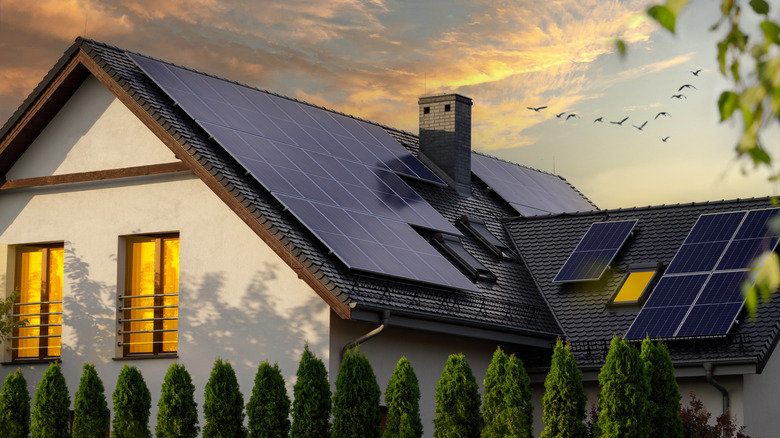
Although solar power can work independently from the traditional power grid, most systems installed in homes remain connected to it. This means that, even while your panels are generating electricity from the sun, if the utility company in your area interrupts service for repairs or during a blackout, your house may also lose power, even if it happens during the day. To avoid this problem, you need to install solar panel batteries in your home, a cost that most initial solar installation quotes usually leave out. That is because, depending on how much storage capacity you need, the cost of the batteries alone can be similar to what you would pay for a basic solar panel installation.
The Tesla Powerwall, one of the most popular battery options, usually costs around $12,000, just to give you an idea. Considering that you have already made a large investment to have solar power, you may remain dependent on the local power grid unless you make an even larger investment. To reach the promise of full energy independence, you also need to be willing to pay more for it.
Leasing agreements complicate future property sales
If you install solar panels in your house, they can increase the property value if you plan to sell it in the future. However, this gain typically depends on how you originally paid for the system. If you choose financing or a power purchase agreement (PPA), the buyer needs to agree to take over that contract. In addition, they also have to pass credit approval from the company itself, and the transfer process can take a long time.
There is also a detail few sellers know, since most solar leasing companies file a UCC-1, a type of lien on the equipment, with the registry office, and it appears in any property title search. This filing needs to be resolved before the sale can close, and some mortgage lenders may simply refuse to finance the purchase of properties with this type of active pending issue.
If the buyer of your house does not want to take over the contract, the most common solution is to pay off the outstanding balance before closing the sale. However, depending on how much time remains before the contract is fully paid off, the amount can be quite high, reducing the value you would originally receive from your house sale.
Inverters and batteries require earlier replacement
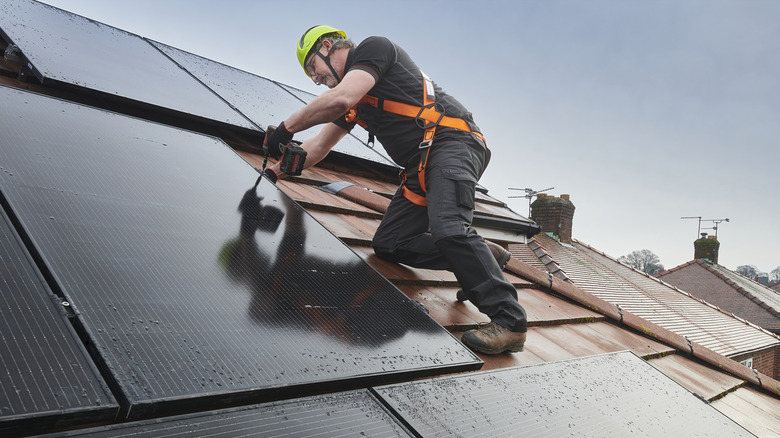
Companies usually make bold claims about how long solar panels actually last, often citing 25 to 30 years, which can be true in many cases. The problem is that your solar power system is not made only of panels, and there are other essential components involved in its operation. One of them is the inverter, which is responsible for converting the energy generated by the panels into usable electricity. Inverters often have a useful life of 5 to 15 years.
This means that before the solar panels reach the end of their useful life, you will almost certainly need to replace the system inverter at least once. Depending on the type used in the installation, this replacement can cost up to $3,000. Even if it takes time to happen, it is important to prepare for this expense.
The same applies to your home's storage battery system. Most lithium-ion options come with a 10-year operating warranty and lose part of their original capacity during that period. So, if you also use a battery system, it is important to include it in the calculation.
Local regulations can limit your overall solar output
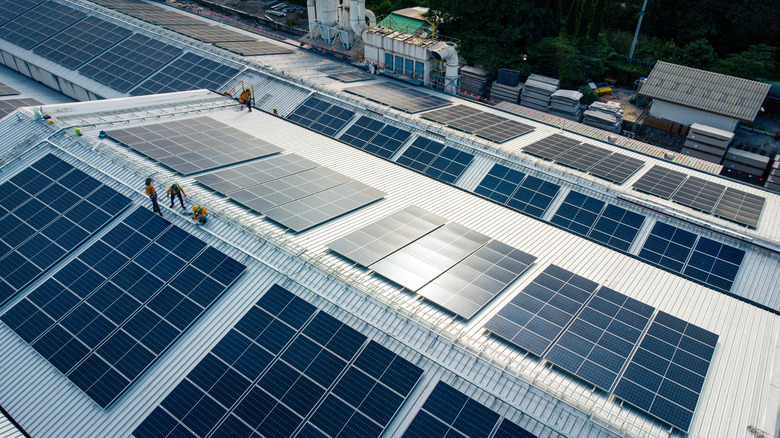
Many people assume that having enough roof space is all they need to install as many panels as possible, but the reality often runs into infrastructure limits. Most homes must follow local and electrical regulations that restrict the system, such as the 120% rule, a standard that limits the sum of the main breaker current and the solar current to 120% of the panel capacity.
In addition to electrical limits, city governments and fire departments usually require open roof pathways to allow emergency crews to access the area in case of fire. These fire safety rules vary from city to city, but in practice, they reduce the area available for panels, preventing the system from generating all the energy the house consumes.
To get around the electrical panel limit, many homeowners end up needing to make a full infrastructure upgrade in the house, replacing the main panel with a higher-capacity model. This service can easily add to the original installation price, delaying the time it takes for the solar panel system to start providing a real financial return.