

5 Disadvantages Of Ditching Your iPhone For Android
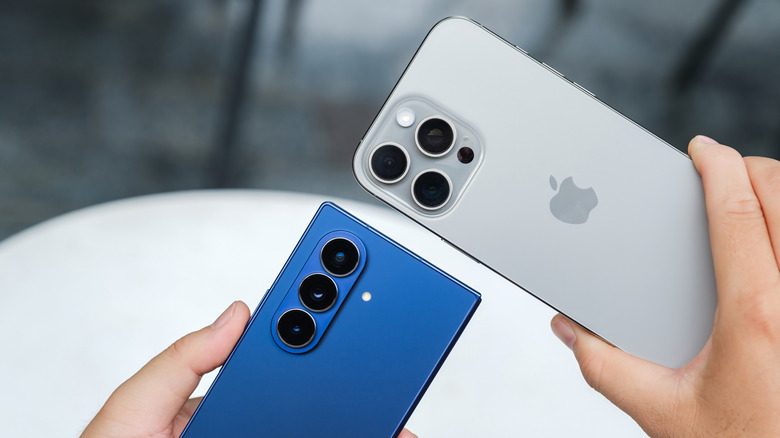
There may be good reasons to switch from iPhone to Android, such as the ability to buy a foldable phone or a cheaper traditional smartphone. Switching between the two mobile platforms is also easier than ever. However, there are also downsides that iPhone users who want to move to Android should be aware of. Some of them may be immediately clear, like losing access to proprietary Apple apps that come with the iPhone, including iMessage, FaceTime, and Health. Others may not be immediately obvious, like the different privacy policies and practices governing Android, and inconsistent software updates across the Android landscape.
Apple products have a reputation for being expensive, but you'll find that comparable Android devices, including Samsung's Galaxy S26 Ultra or Google's Pixel 10 Pro, cost roughly the same. Similarly, trade-in offers and carrier deals can reduce an Android phone's price, just as they do for iPhones.
However, a more significant drawback may appear during the next upgrade. Android phones depreciate at faster rates than iPhones, meaning owners may have to settle for a lower resale price on the second-hand market.
Losing access to Apple's popular apps
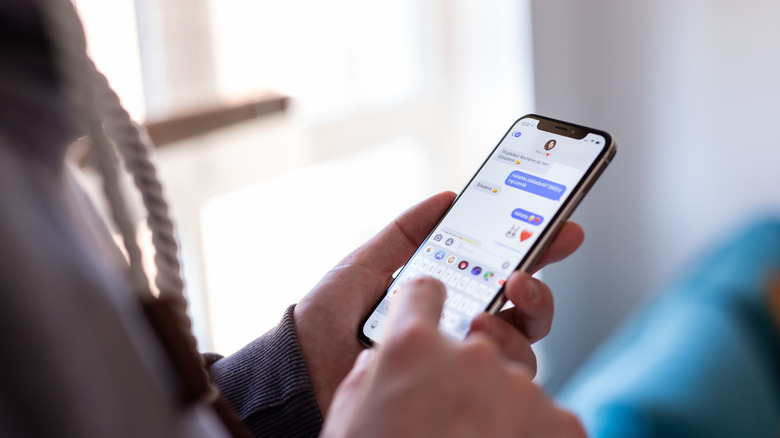
Replacing the iPhone with an Android device means losing easy access to Apple's popular communication apps, iMessage and FaceTime. These services offer text messaging and live audio and video calls, which have drawn attention particularly for security features including end-to-end encryption. Apple indicates iMessage chats with blue bubbles, while standard text messages are presented in green. The blue bubbles have become a social status symbol, and may be a reason why some people have kept with Apple's devices. Cross-platform messaging has gotten easier, though. As of mid-July 2026, the Messages app on iPhone supports Rich Communication Services, or RCS, which offers iMessage-like features between iPhones and Android devices, including end-to-end encryption. But RCS messages still appear as green chat bubbles, meaning they aren't using Apple's iMessage system in particular.
Other Apple apps that users won't be able to use on Android include the Health and Fitness apps. They include features that allow Apple Watch users to access sensor data collected by the wearable.
Apple Wallet and Apple Pay are also not available for Android, so users would have to move to Google Wallet or a similar alternative to manage tickets, passes, and credit cards. The Safari browser, Find My device tracking, Home automation app, and Shortcuts productivity apps are also specifically made by Apple for the iPhone, not Android.
Apple's App Store and Apple Books are also created for Apple devices. App makers may offer an Android version, but you may have to pay again for the new download. Similarly, some Apple Books content is locked by technology called digital rights management (DRM), and so cannot be read on Android. Apple does offer its Apple Music and Apple TV apps for Android, in case users want to keep using them. Some third-party apps purchased from the App Store may require a different purchase on Android.
The Apple ecosystem becomes less useful
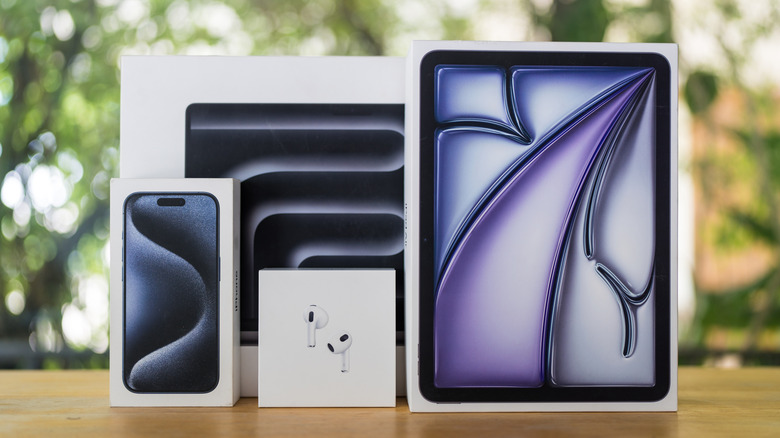
One of the strengths of the Apple ecosystem is that the company developed features like Continuity, which allow users to easily share data and switch work without losing progress or productivity. You can use an app on the iPhone, switch to the Mac or iPad, and keep using the same app where you left off. You can also transfer files between devices with AirDrop, and use the Universal Clipboard feature to copy content on one device and paste it on another. Apple also allows users to mirror newer iPhones to the Mac and control the handset from the computer. These Apple-specific integrations are not built in by default on Android devices.
When it comes to the Apple Watch, the wearable only works with iPhones. Apple doesn't officially offer ways to pair the wearable with an Android handset, as of this writing. Instead, you have to buy a smartwatch that's compatible with Android, like Google's Pixel Watch 4. If you switch from iPhone to Android, the Apple Watch's health data stored on the iPhone will not transfer automatically to an Android device either. You will have to do it manually to preserve your health history.
One Apple accessory that does work with Android is the AirPods wireless headphones. However, they may lose features that are built specifically for the iPhone, like the device's ability to act as a hearing aid or an easy automatic translator. Also, tasks such as changing AirPods settings or updating onboard firmware may be more difficult without access to an iPhone or other Apple product.
Android updates aren't like iOS updates
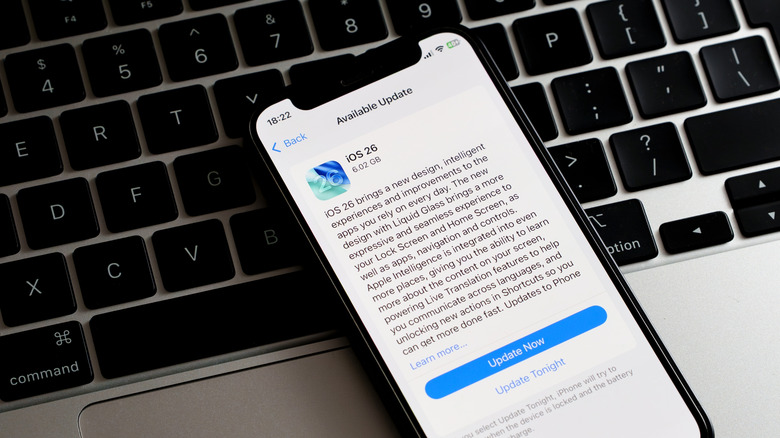
One of the best perks of owning an iPhone is Apple's timely software and security updates. The devices are supported to receive at least five or six years of major new iOS releases, and sometimes even longer for security fixes. The 2019 iPhone 11 series is the best example of that. The device is one of the iPhones that will be updated to iOS 27, a big update announced in June 2026 and planned for release in the fall.
Apple's long-term support is mostly implied, though the company did promise U.K. authorities at least five years of security updates in response to local regulations. By comparison, some Android vendors have begun offering written software guarantees about planned software updates. For example, Samsung and Google have said their respective Galaxy and Pixel devices will receive up to seven years of software and security updates. These guarantees can help when comparing different devices, identifying the Android handset that offers the longest software support.
However, there's one other important detail to consider. Apple rolls out iOS updates on the same day to all supported iPhone models. For example, iOS 27 should be available in mid-September 2026 to all the iPhones that can run it. Similarly, Apple releases each software or security update to supported devices at the same time. On Android, Pixel phones are typically the only devices to get the newest Android updates immediately after Google releases them. Even then, there may be a wait time. There's an even longer wait time for Samsung and other vendors, despite their software update guarantees. In fact, some vendors pick and choose which new Android versions they will even offer on their devices.
Android devices sometimes use different privacy practices
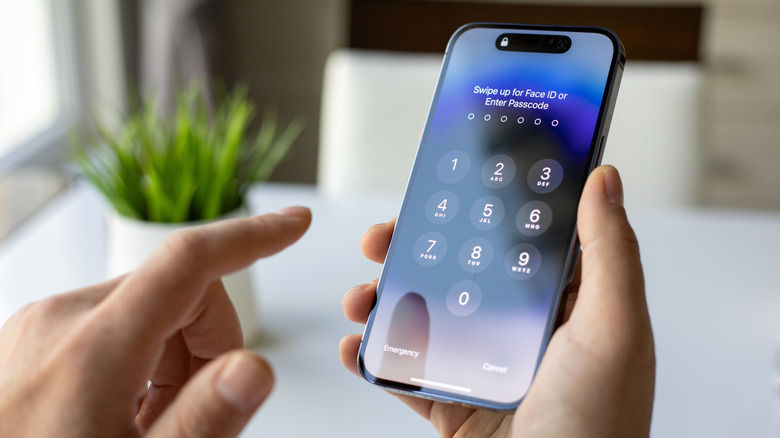
Ditching iPhone for Android also means losing one of the key features Apple offers its customers: strong privacy. Apple has prided itself on implementing strong privacy protections for user data, including end-to-end encryption for the iPhone and for built-in apps like iMessage, FaceTime, Health, Find My, and others. Even iCloud backups can be end-to-end encrypted in regions that support Advanced Data Protection.
Apple has also built specialized privacy features only available in iOS. One popular technology called App Tracking Transparency (ATT) allows users to easily block apps from tracking them across apps and the web. Apple also requires developers to include App Privacy labels for apps they sell on the App Store, including details on how user data is collected. Apple lets users prevent apps from accessing location data. Some iPhone models also have a feature called Limit Precise Location, which is designed to reduce location data sharing with mobile carriers. Finally, Apple says it designed Apple Intelligence with privacy in mind. AI features are processed either on the iPhone or in Apple's Private Cloud Compute infrastructure, which the company said prevents the collection of user data during the execution of AI cloud-powered tasks.
Switching to Android means typically accepting privacy policies from vendors and Google, which largely govern Android, Google apps, and Gemini AI apps. Android broadly offers strong security and end-to-end encryption for communication apps, but Google also collects user data through its services, which can be used for personalized ads. Tracking prevention similar to ATT isn't as easy to set up on Android, and Gemini apps may collect user data in order to train AI models.
iPhones retain their value for longer
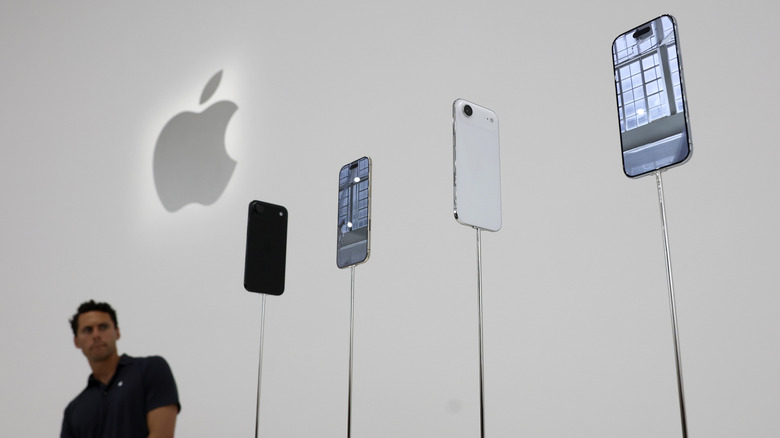
Smartphones are costly devices, with prices starting at $799 for the most affordable premium iPhone 17 model, and similar prices for equivalent Android devices. Google's Pixel 10 has an initial sticker price starting at $799, while the base Galaxy S26 starts at $900.
A smartphone buyer should also consider what they plan to do with the new handset once they decide to upgrade again, because iPhones and Android phones do not retain their value at the same rate over time. For example, the 256GB Galaxy S26 model has an average sale price of $607 on Swappa five months after launch. The 256GB iPhone 17 has an average price of $708 on Swappa nearly 11 months after launch. The iPhone retained over 88% of its value compared to about 68% for the Galaxy S26 handset. If you intend to resell or trade in your smartphone, you're likely to get a better price for an iPhone model than an Android device.