

5 Wi-Fi Router Brands With The Longest Software Support

We may receive a commission on purchases made from links.
Even though most households treat them this way, routers aren't a set-it-and-forget-it device. The hardware inside a router can last for years without complaint, but the software that keeps it running securely has a far shorter shelf life. Firmware updates patch security vulnerabilities, fix bugs, and occasionally add new features, but a router quietly becomes a liability without them. Consumer Reports found that major router manufacturers, including Netgear, Google, Linksys, and Amazon, recommend replacing routers every three to five years because their firmware support window tends to close around that mark. Yet roughly one in five consumers wait more than four years to replace their router, pushing well past the point where security patches are guaranteed.
The difference between brands is stark. Some manufacturers publish clear end-of-life lists and support routers for the better part of a decade, while others quietly stop issuing updates after a couple of years and hope nobody notices. A router that's no longer receiving security patches is a time bomb on a home network, vulnerable to botnets, data interception, and malware that targets outdated firmware. The good news is that a handful of brands have built their reputations on long-term software support. Choosing one of them means buying a router that gets updates for years.
ASUS routers are supported for the better part of a decade
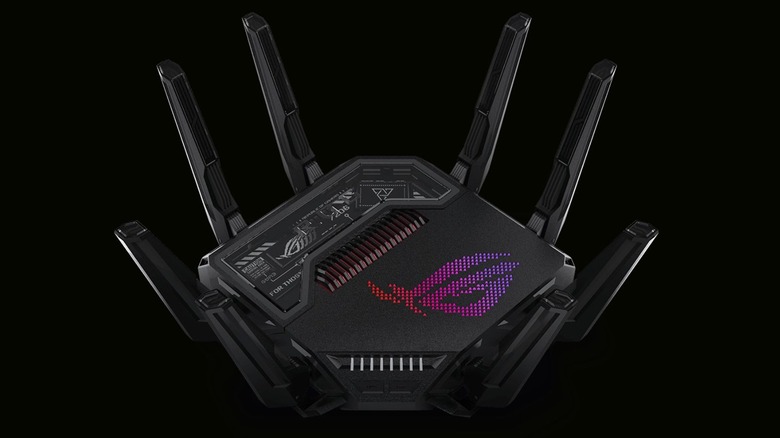
ASUS has the strongest reputation for long-term firmware support among consumer router brands, and the evidence backs it up. The company maintains a publicly available end-of-life product list that lets owners check whether their specific model is still receiving updates. The legendary RT-AC68U, first released in late 2013, continued to receive firmware updates into 2024, spanning a support window of more than 10 years. That's an outlier in consumer electronics, where most brands cut off support after three to five years. The RT-AC68U was finally added to ASUS's EOL list in 2024, but even its EOL fate was well-communicated rather than quietly ignored.
For current models, the ASUS RT-AX88U Pro and the ASUS RT-BE96U represent the brand's modern lineup, both running ASUSWRT firmware with regular security patches and feature updates. ASUS also bundles AiProtection Pro, a Trend Micro-powered security suite that includes intrusion prevention, malicious site blocking, and parental controls, with no subscription required. That means the security updates come from both the firmware and the active protection layer, giving ASUS routers an effective dual-layer defense that stays current. For households that want a router that receives updates for the long haul without a subscription, ASUS is the benchmark, and picking the right Wi-Fi router brand can make a real difference in long-term reliability.
Ubiquiti UniFi has enterprise-grade router software support
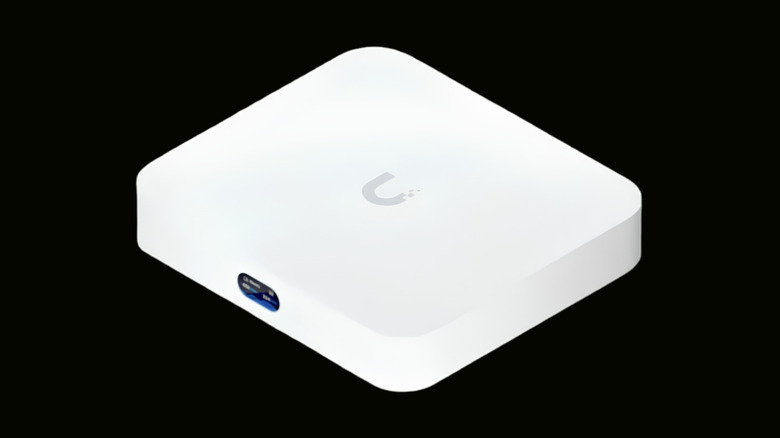
Ubiquiti offers a unique approach to consumer and enterprise networking, and its software support model reflects that. Unlike most consumer router brands, Ubiquiti publishes a publicly documented vintage and legacy product policy that clearly defines what support level each device receives based on its age. Products in active support receive full UniFi OS updates, while legacy products enter a long-term support tier with continued security patches but no new features. This transparency is rare in consumer networking, and it means owners are never left guessing about whether their hardware is protected.
The UniFi Dream Router and the UniFi Express are the two most relevant models for a household setting, both running the UniFi OS platform with centralized management through the UniFi Network application. UniFi routers receive regular firmware updates, and Ubiquiti's track record of supporting devices for five to seven years before they reach "vintage" status puts it well ahead of the three-to-five-year window that most consumer brands target. The trade-off is complexity. UniFi gear is not plug-and-play like an eero or ASUS router, and the setup process requires a more hands-on approach. For users comfortable with a slightly steeper learning curve, the payoff is a router that gets treated like critical infrastructure rather than e-waste. Firmware updates aren't always smooth either, with Ubiquiti having a history of releasing and retracting builds, but the company's commitment to keeping devices patched for years is solid.
OpenWrt-based routers get updates as long as the community maintains them
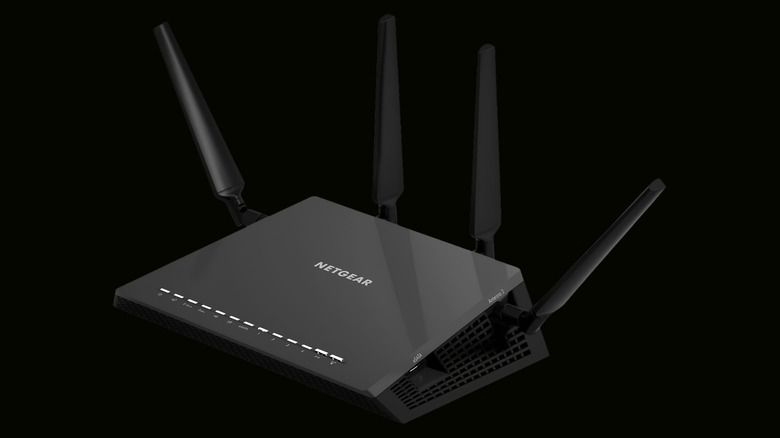
Open-source firmware enables software longevity beyond any manufacturer. When a router is supported by OpenWrt, the community, not the manufacturer, decides when support ends. OpenWrt is an open-source Linux-based operating system for routers that receives continuous updates, security patches, and new features from a global community of developers. A router with OpenWrt support can remain secure and functional for far longer than its manufacturer ever intended. The OpenWrt table of hardware lists thousands of supported devices across dozens of brands, spanning everything from budget travel routers to high-end Wi-Fi 6 and Wi-Fi 7 models.
The easiest way to get into OpenWrt is through GL.iNet, a brand that ships routers with a custom OpenWrt-based operating system pre-installed. The GL-MT6000 Flint 2 is the current flagship, offering Wi-Fi 6, a MediaTek chipset, and regular firmware updates through GL.iNet's download center. For purists, the OpenWrt One, a first-party OpenWrt router developed in partnership with the community, offers official firmware guarantees and an unbrickable recovery mode. The caveat is that OpenWrt isn't for everyone. The interface is technical, and the initial setup requires a willingness to learn a new system. For users who value software longevity above all else, though, OpenWrt is the closest thing to a router that never truly reaches end-of-life. It's also worth noting that Wi-Fi 7 routers have some disadvantages to consider before upgrading, and that OpenWrt support for the latest Wi-Fi 7 chipsets is still maturing.
Synology brings its NAS update philosophy to routers
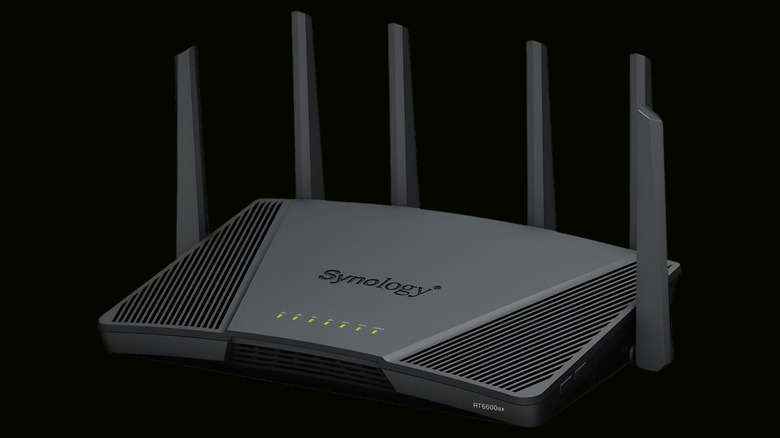
Synology's router division has quietly built one of the most transparent software support models in the industry. The company publishes a public product support status page that lists every model, its current support phase, and whether it's still receiving updates. This is the same approach Synology uses for its NAS products, which are known for receiving DSM updates for five to seven years. The RT6600ax, launched in May 2022, remains fully supported and continues to receive Synology Router Manager firmware updates with regular security patches.
The Synology WRX560 is another strong option for households that want the Synology software experience at a lower price point. Both routers run SRM, Synology's router operating system, which includes parental controls, traffic monitoring, and VPN capabilities including OpenVPN, L2TP/IPSec, SSTP, and PPTP. The concern with Synology is direction. The company hasn't released a new flagship router since the RT6600ax in 2022, and community discussions suggest some uncertainty about whether Synology is still actively investing in the router market. Even if the product line doesn't see a new flagship, the existing models benefit from Synology's established software lifecycle policy, which prioritizes security patches long after a product leaves store shelves. For users who appreciate a clean, app-driven interface with enterprise-grade visibility into update status, Synology is a strong choice. It's also worth checking out the best Wi-Fi 7 routers on the market today for comparison if future-proofing is a priority.
eero's automatic updates and Amazon backing keep routers current

eero takes a radically different approach to software support than any other brand on this list. Instead of asking users to check for and install firmware updates manually, eero routers update themselves automatically overnight without any user intervention. The company has demonstrated a genuine commitment to longevity: its first-generation eero routers, released in 2016, are still supported with firmware updates nearly a decade later. That's a support window that rivals ASUS and surpasses most consumer router brands by a wide margin. Amazon, which owns eero, recommends replacing routers every three to four years, but eero's actual support timeline has proven to be far longer in practice.
The eero Pro 7 is the current flagship, supporting Wi-Fi 7, 200-plus connected devices, and up to 2,000 square feet of coverage per unit. The eero app handles everything, from setup to parental controls to update management, and the interface is designed to be accessible to users who don't want to think about router administration. The trade-off is control. eero routers are managed entirely through the app. While it supports advanced features such as custom DNS, VLAN tagging, and port forwarding, the platform doesn't offer the open-ended configurability that power users expect from a traditional router web interface. For homes that just want a router to stay secure and up to date without any effort, eero's automatic updates are a welcome, hands-off approach.
Methodology

The five brands in this list were chosen by evaluating the transparency and duration of their software support, not by raw Wi-Fi performance or price. The most important factor was whether a brand publishes a clear end-of-life policy or product support status page, because a company that's willing to tell customers when a product stops receiving updates is far more trustworthy than one that doesn't. Consumer Reports and industry guidance from manufacturers including Netgear, Google, Linksys, and Amazon were used to establish the baseline expectation of three to five years of support. Any brand that exceeded that window with documented, verifiable update histories was prioritized.
The evaluation also considered community consensus from home networking forums where users share real-world experiences with firmware updates and security patches. Brands that were consistently praised for long-term support across multiple independent sources ranked higher than those with mixed or inconsistent track records. Open-source firmware options like OpenWrt were included because they represent a fundamentally different model of software longevity, one in which the community, rather than the manufacturer, determines when a device stops receiving patches. The overall goal was to find routers that stay secure for the longest time, not the fastest and cheapest. No single brand is right for every household, but each of these choices is here because it has a demonstrated commitment to keeping devices updated long after the initial launch and purchase.