

5 Netflix User Complaints I Hear Most Often (And Agree With)
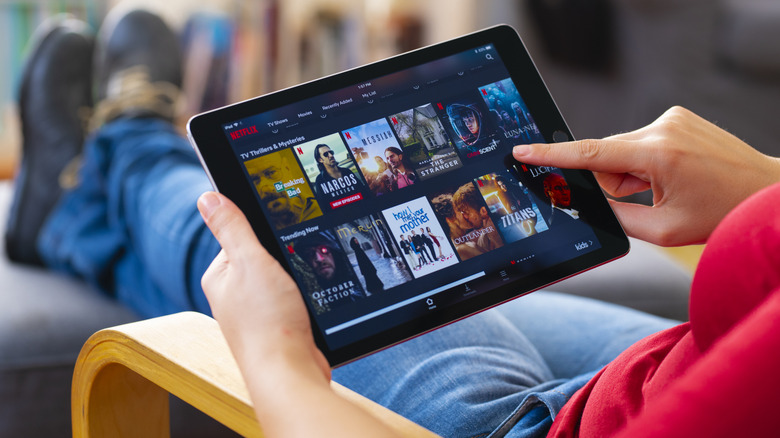
I have been a Netflix subscriber ever since I had the uncontrollable urge to watch "The Old Guard" back in July 2020. To be honest, my experience with Netflix has been largely positive, since I rarely run out of things to watch — there's nothing like a good Netflix binge to cure boredom. When I am not watching its content, I am playing it. Netflix actually has a good selection of mobile games that are included with the service at no extra charge. I am ashamed to admit that I never played "Red Dead Redemption," but when I saw it on the list of games, I couldn't play fast enough. But there is a dark side to Netflix that even the most loyal netizens agree: Netflix could use some improvement.
Amid all this great content is the looming threat that Netflix will raise its prices down the line, as it does almost every year. People also don't like how shows they get into don't seem to last more than two seasons. The complaints about how Netflix handles shows don't end there, because it seems to have a way of splitting seasons into parts, on top of making its customers wait too long for anticipated seasons to air (I miss the days when shows got a season a year instead of every two or three years). It may not seem like much, but even I have to agree that these complaints quickly add up.
Fully enjoying Netflix is becoming costly
When Netflix announced it was acquiring Warner Bros. Discovery in December 2025, a chill went down my spine. I had a feeling it would pass those costs on to consumers with a price increase. The deal fell through, and now Paramount Skydance seems to be the one buying the studio. It was expected to close on July 22, 2026, but has stalled because several states, including California, have temporarily blocked the closure for 28 days, according to The Guardian. However, this didn't stop Netflix from raising its subscription prices, which it justified with the new content it keeps investing in. We are essentially being charged more for quantity, and who knows how much worse it would have been had the acquisition gone through.
When Netflix launched its standalone streaming service in 2010, all you had to do was pay $7.99 per month for unlimited streaming of movies and TV shows. Fast forward to 2026, and now you pay $8.99 for the Standard with ads tier, where some TV shows and movies aren't available. For the Premium ad-free tier, you have to pay $26.99 per month. It will likely get more expensive from here on out. You also used to be able to share your password with others, but after the great password crackdown of 2023, you now have to pay extra to have people outside your household use your Netflix account.
Many good shows get canceled after two or three seasons
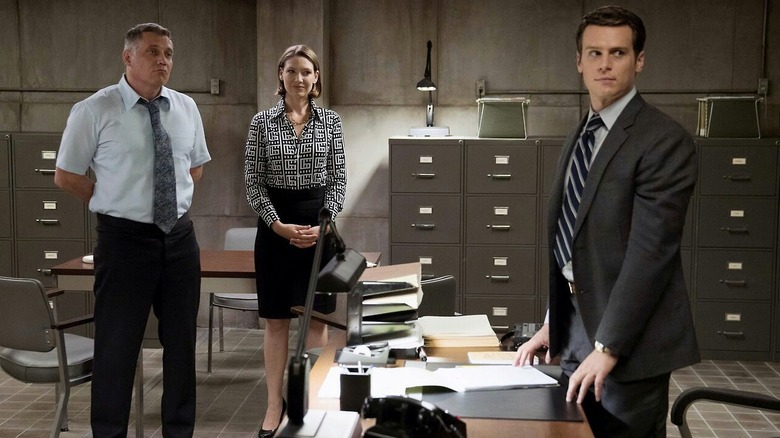
While Netflix has a reputation for quantity over quality, when it does the latter, it makes some of the most beloved shows. It's a shame that many of them never get a chance to reach their full potential because they got canceled way too early. One that many fans and I lament is "Mindhunter," a psychological thriller set in the 1970s about two FBI agents who profile incarcerated serial killers. While the conversations are based on real FBI audio tapes, the show takes liberties with the characters to great dramatic effect. The show was canceled after two seasons, despite including John Wayne Gacy Easter eggs for a third season that never materialized. This was my first real sting of Netflix canceling a show too soon, and I'm excited that there's a glimmer of hope that "Mindhunter" is coming back.
I can go on. "Daredevil," "Santa Clarita Diet," and "One Day at a Time" were canceled after three seasons. "Altered Carbon," "Warrior Nun," and "Luke Cage" were canceled after two seasons. "Boots," "I am Not Okay With This," and "The Society" were canceled after one season. These were shows with dedicated fan bases and strong critical reception, whose numbers Netflix didn't think justified further investment in future seasons based on its internal metrics.
Splitting a season into parts is frustrating
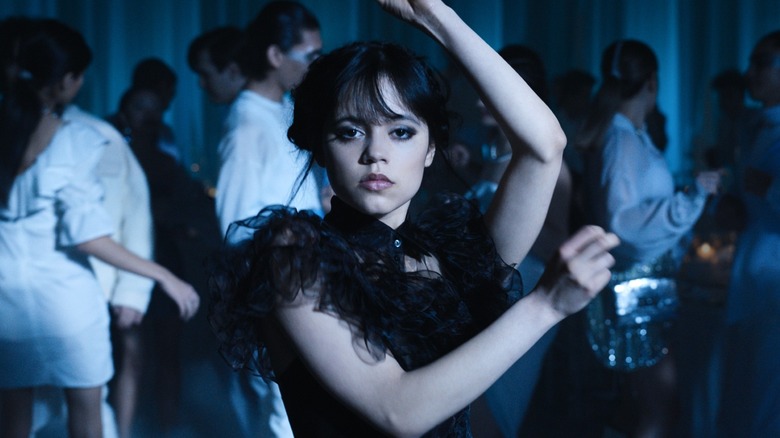
Lately, Netflix is splitting seasons of its popular shows, which already don't have a long episode count, into two or three parts or volumes. It did the same quite recently by splitting the "Wednesday" season into two parts, each with four episodes. This also happened with the final season of "Stranger Things," "Cobra Kai," and "The Crown." I would prefer that Netflix either release them weekly or all at once, rather than halting the pace just as things are about to get interesting. I would also prefer to wait until the whole season drops before watching it, but the cliffhangers of each part are spoiled almost immediately once you go on social media. While it might feel like Netflix is doing this to keep you subscribed longer, there's actually a good reason.
In an interview with Deadline, Netflix's Chief of Content, Bela Bajaria, said that part of the streamer's strategy is to release shows faster so audiences have something to watch while the rest of the episodes are cooking. She also said that sometimes, it's the creator's choice. "Peter Morgan on 'The Crown,' Shonda Rhimes on 'Bridgerton,' there was a way that they wanted to structure or write it because they felt it was an actual, natural emotional break. So there's no set way; it depends on what's best for the show."
The long wait between seasons kills interest
Coming from the age of peak cable TV, I was used to ongoing scripted TV shows releasing seasons every year. They would go on break long enough for me to miss them, but not long enough to forget them either. But Netflix has broken this fine balance. This was painfully obvious with "Shadow and Bone." I loved the first season and was practically ready for the second season right away. The excitement only grew when a second season was announced 45 days later.
By the time season 2 aired, almost two years later, I had lost all interest. This was because I had forgotten the details and didn't feel like rewatching the first season to refresh my memory. The same thing happened with "Wednesday" and "Squid Game," both of which went on hiatus for over three years. Dumping all episodes at once and then going on years-long breaks while inundating us with tons of content in between has consequences.
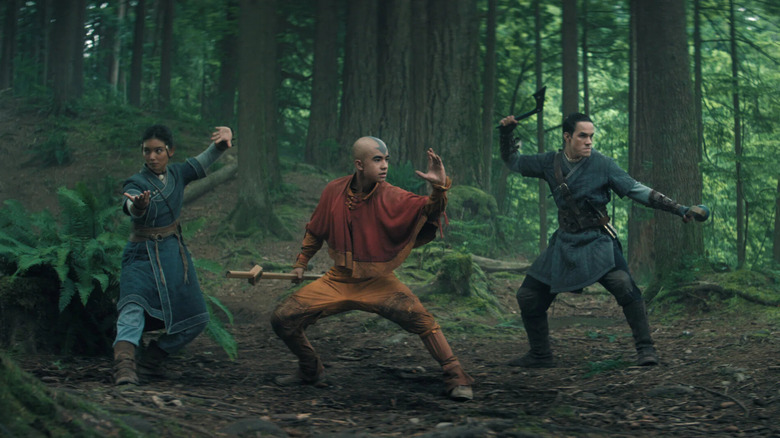
When "Avatar: The Last Airbender" debuted in February 2024, it garnered over 21 million viewers during its first four days. When the second season debuted in June 2025 (over two years later), that number dropped to 8.7 million viewers — a 60% drop. This is not an isolated case. "The Four Seasons" had a 63% drop, "Beef" had a 58% drop, and "Good Girl's Guide to Murder" had an 80% drop. It's a phenomenon people are calling Netflix's sophomore slump.
No app for the Nintendo Switch
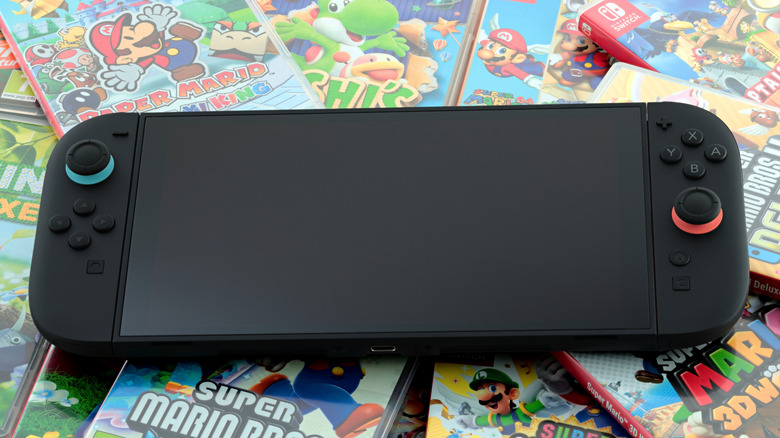
These days, consoles are entertainment hubs that also let you enjoy passive entertainment during gaming moments. When I first subscribed to Netflix to watch "The Old Guard," it wasn't so I could watch it on my phone, but because the PS4 could download the Netflix app. After upgrading my TVs, I still find myself watching Netflix on my PS5, even though I have a smart TV now. I wish it were the same for the Nintendo Switch.
People can say, "Just watch it on your phone," but sometimes I don't want to be on my phone. But at the same time, I want to enjoy some Netflix on the Nintendo Switch 2's bigger screen without distractions. I understand that it is not entirely Netflix's fault, since the Switch 2 doesn't support streaming apps. It seems Nintendo wants to keep it strictly a gaming system, so even though you can download Crunchyroll and YouTube on Switch 1 and transfer them to the Switch, they're not compatible with the Switch 2. But considering Netflix never made a streaming app for the OG Switch in the first place, I have to fault it here because even if Nintendo magically reversed its decision, Netflix would probably still not release one.