

Is It Safe To Leave Game Cartridges Inside A Nintendo Switch When You're Not Playing?
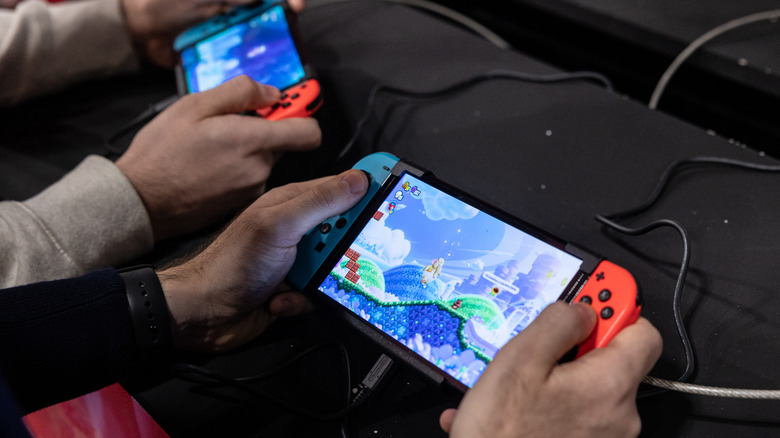
Leaving game cartridges inside a Nintendo Switch, even when you're not playing, is fine. While Nintendo never addressed this specific question, gamers seem to agree there's no problem. Also, as a Nintendo fan and customer of the brand for the past 25 years, I've never had a cartridge, CD, or anything like that break, corrupt, or worsen my experience with their consoles. Basically, when the Switch is powered off or in Sleep Mode, the console supplies no power to the card slot, so there's no risk of overheating, electrical damage, or wear on the cartridge components.
The primary "trade-off" would be the mechanical part of the cartridge slot, as the spring mechanism inside the slot would be continuously compressed. However, constant insertion and removal could actually cause more physical wear on both the card's metal contacts and the console's pins, then leaving your copy of "The Legend of Zelda: Tears of the Kingdom" inside. Instead of worrying, spend your time discovering these six features you never knew your Nintendo Switch had.
Additionally, the cartridges themselves are solid-state media with no moving parts, which makes them quite durable against everyday drops and minor impacts. However, they could still fail in very specific situations, such as being bent or crushed, getting exposed to moisture, dirt, or liquid, or if they're frequently inserted and removed without care, as that can scrape or damage the gold-plated pins over time.
How to safely take care of your Nintendo Switch cartridge
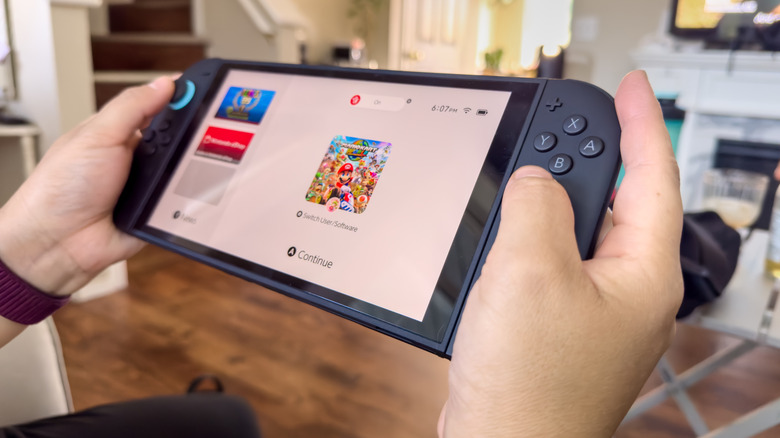
Nintendo has official guidelines on how to take care of the Nintendo Switch cartridge. They're all very straightforward, but included are a few good reminders that even the most hardcore gamer can forget from time to time. While, of course, not putting the cartridge in your mouth is a good head start (they really taste horribly), Nintendo recommends users not touch the metal contact pins on the back of the card with their fingers, because skin oils and moisture can cause corrosion over time.
Checking the edge connector for unusual material or debris before sliding the card into the slot is always a good idea, while if connection issues occur, wiping the metal contacts gently using a dry, lint-free cloth is the way to go — and, no, blowing the cartridge was never a good tip. When the game card is not in the console, you should always store it in its protective case or a dedicated cartridge holder to prevent dust buildup and impact damage.
By following those tips, gamers can ensure that their very expensive cartridges — especially if we're talking about Nintendo Switch 2 games — can last long after Nintendo moves forward from the Nintendo Switch to a new console or format. I personally still have all functioning cartridges from my Nintendo 64 and Game Boy Color games, which are all almost as old as I am — and I wasn't a very careful kid.
What's the lifespan of a Switch game card?
Unlike retro cartridges that used Mask ROM, Nintendo Switch game cards rely on XtraROM, a proprietary, read-only NAND flash technology developed by Taiwanese semiconductor manufacturer Macronix. Because the card operates strictly in a read-only state, it avoids the write-cycle wear that typically degrades standard SD cards or SSDs, meaning that they won't fail if left behind for a long time.
However, flash memory stores data as microscopic electrical charges trapped inside silicon cells. Over time, these charges slowly dissipate through a process known as charge loss. According to official Macronix technical specifications, XtraROM memory chips are rated to retain data for at least 20 years under a continuous thermal stress of 85°C (185°F). Because temperature can accelerate charge leakage, storing cartridges at normal room temperatures (around 20°C to 25°C) yields a far longer shelf life. Semiconductor reliability models project a real-world lifespan of 30 to 40+ years before bit corruption occurs.
In practice, physical damage or connector oxidation could happen long before memory decays. To prevent charge loss on aging cartridges, video game preservationists recommend inserting cards into a powered console every 5 to 10 years to energize the memory controller and refresh cell charges, so you can ensure your favorite games with all your precious save files will be available long-term.