

4 Android Brands With The Worst Software Support
While Google and Samsung offer some of the best update packages on the market for their phones, that's not the case with many other Android manufacturers. That's because such makers prefer to keep shorter policies, offering at most one or two major updates for their smartphones, even when their hardware can last longer than that.
However, this does not mean the phones offered by these brands are bad. Despite the shorter software support, their phones offer better value for money that still makes the purchase somewhat worth it, despite knowing that the phone will not receive updates for long. Usually, you can get stronger hardware or a more powerful battery that you would only find in the flagships of some brands, creating a proposition that can feel fair for many users.
Although updates, especially security patches, matter to many users, the Android phones with longer software support usually charge a higher price. So, users should not compare only this element in a phone, but also what it offers in exchange for a shorter support window. For that reason, we separated some brands that fall short in software support, but still manage to offer advantages.
Motorola
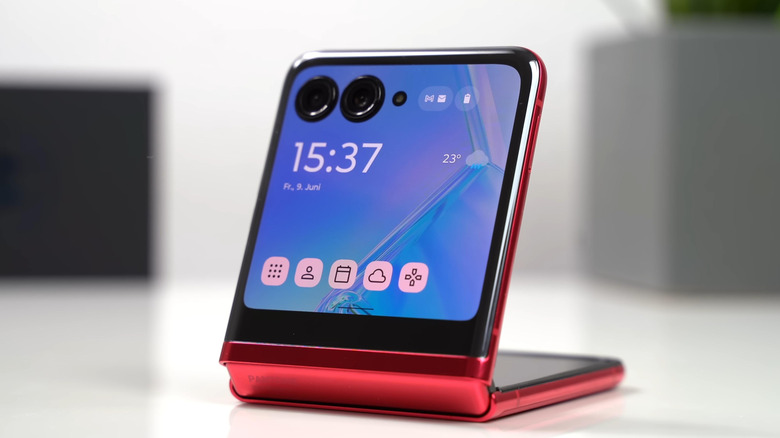
One of the biggest disadvantages of buying a Motorola phone is probably the low software support these phones offer. Unlike Samsung, which usually offers up to seven years of updates, Motorola models have much more limited coverage. Owners of a flagship model, for example, can expect two major Android updates and up to three years of security patches.
Support for the brand's mid-range phones is even shorter, since they usually receive only one Android update and two years of patches, with a few exceptions. Another point to watch is that Motorola also tends to delay some updates, so even when the company promises an update, it can take longer to reach an older phone.
To compensate for the limited software support on its phones, Motorola is one of the brands with the best value for money you can find. Models from the Moto G line often appear below $200, and others still sit in the $300 range. In addition, when buying one, the user can expect good battery life and competent cameras for the price range.
Xiaomi
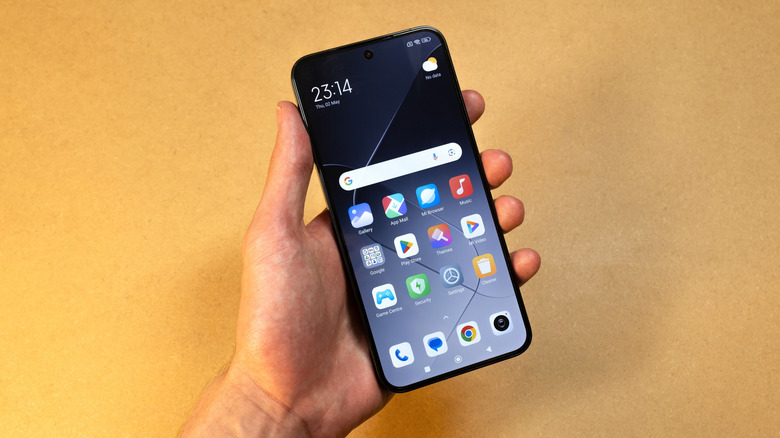
Although Xiaomi doesn't officially sell its smartphones in the U.S., you can find several imported unlocked Xiaomi models at major online retailers, and global versions can work normally with some carriers and MVNOs. The same applies to phones from the Poco and Redmi lines, which, despite posing as independent brands, are still under the Xiaomi umbrella.
So, across these lines, you can find very different software support policies in each one. In 2026, Xiaomi started offering up to five years of patches for the Xiaomi 14 and 15, while the Poco F6 will have four years, rivaling OnePlus phones. However, entry-level models will still follow the brand's historical standard, with two to three years of support, but without a formal commitment from the brand.
However, similar to Motorola, this downside can be a perk in disguise for users. In exchange for shorter software longevity, users can buy a Redmi Note or Poco X with an AMOLED screen, charging above 67W, and a good camera for less than $300. Brands with similar specs would usually cost more.
TCL
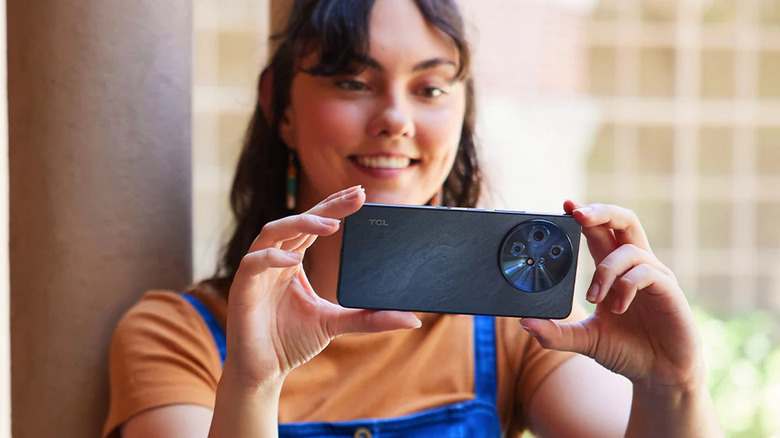
TCL is a company that focuses heavily on the mid-range market, and the company's general policy is at least two years of security updates after each model launches. The problem is that this does not mean every phone will also receive two Android versions, since some devices receive only one upgrade, while others may get no update of this type after purchase.
At the same time, various TCL devices are also known for having Nxtpaper technology, which almost no competitor can deliver at such affordable prices. The technology makes the screen appear similar to an e-reader, so it's a display that can replace your Kindle. Some models, such as the TCL 60 XE Nxtpaper, also have other good specs, such as 8GB of RAM, a 120Hz screen, and 256 GB of storage.
In the end, even though its software support policy is one of the worst among Android phones, offering few updates, TCL still compensates for it with a good reading experience that not many phones can offer.
RedMagic
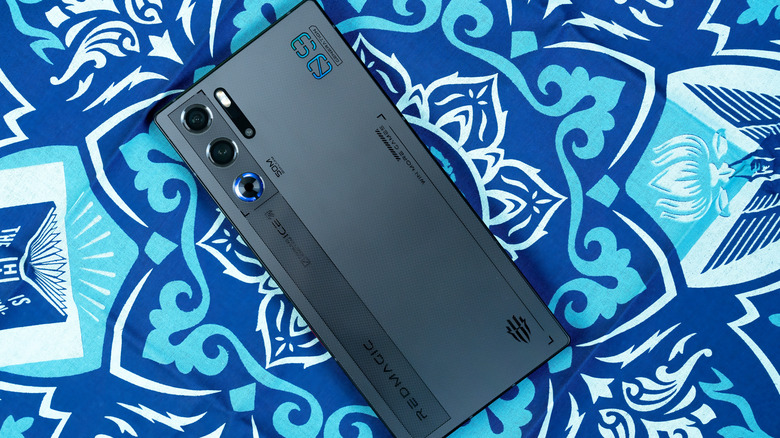
Although RedMagic has improved its update policy a little, it still falls short compared to its competitors. Currently, starting with the RedMagic 11 Pro, the company promises two major Android updates and three years of security patches. However, on previous models, the software support for each device was decided case by case, so you could not predict how long a device would keep receiving updates.
Two major updates are still too few for a device with a flagship processor. A phone launched with Android 15, for example, would stop at Android 17, even if the hardware remained competitive for much longer. A common dilemma is whether buying a gaming phone like RedMagic's is worth it, since performance is good, but software support usually does not keep the same pace.
That said, the brand offers some of the best hardware in its price range. The RedMagic 11 Pro arrived costing around $699 and comes with the Snapdragon 8 Elite Gen 5, up to 24GB of RAM, a 144Hz AMOLED screen, and a battery of up to 7,500mAh. This positions it as a flagship phone, but with the setback of limited software.
How we defined bad software support
To define which brands offer the worst software support, we mainly considered the number of promised major Android updates and the period of security patches. Brands that offer only one or two new system versions, limited security patches, or unclear policies were at a disadvantage, especially when they sell devices with hardware capable of staying relevant for longer.
We also evaluated the consistency of this policy across different price ranges. We did not consider a brand bad only because a cheap model receives fewer updates, but when much of the catalog has short support, frequent delays, or guarantees defined case by case. In addition, we compared these promises with the current standard from manufacturers like Google and Samsung, which are the major references among Android phones in terms of support. The device price and features were used only to explain possible advantages, to show that this can be a fair tradeoff for users.