

Christopher Walken's Forgotten Sci-Fi Movie From The '80s Deserves Another Look
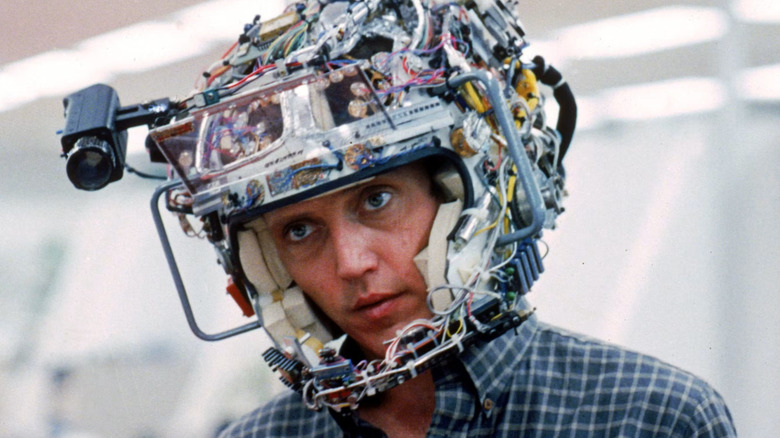
Christopher Walken has starred in alien abduction movies, Stephen King adaptations, and even "Dune: Part Two," so he's no stranger to sci-fi, but some of his contributions to the genre are overlooked by the masses, which brings us to Douglas Trumbull's "Brainstorm." At this point, the film is probably mostly known for its behind-the-scenes troubles, but it's an interesting movie that feels relevant today.
"Brainstorm" tells the story of a machine that records people's experiences so others can see and feel them. Dr. Michael Brace (Walken) is one of the scientists who invented the machine and becomes obsessed with witnessing the final moments of a subject who died while recording her experiences, as it might reveal the truth about life after death.. As such, it's only a matter of time until he's butting heads with military reps who want to use it for their own nefarious purposes. In an age where scientists speculate that AI might be able to record dreams, the premise of "Brainstorm" doesn't seem so far-fetched.
Like many other great '80s sci-fi movies, the film also associates scientific advancements with doom while criticizing the intentions of corporations. Fans of cynical sci-fi should get a kick out of it. Sadly, the film's production was mired in tragedy and studio disputes. Walken's co-star Natalie Wood died on vacation before the project was complete. Meanwhile, MGM was struggling to stay afloat at the time and tried to shut down the production, resulting in a dispute. Ultimately, "Brainstorm" got released after an insurance company stepped in to save the day, but it failed to set the box office on fire.
How critics reacted to Brainstorm
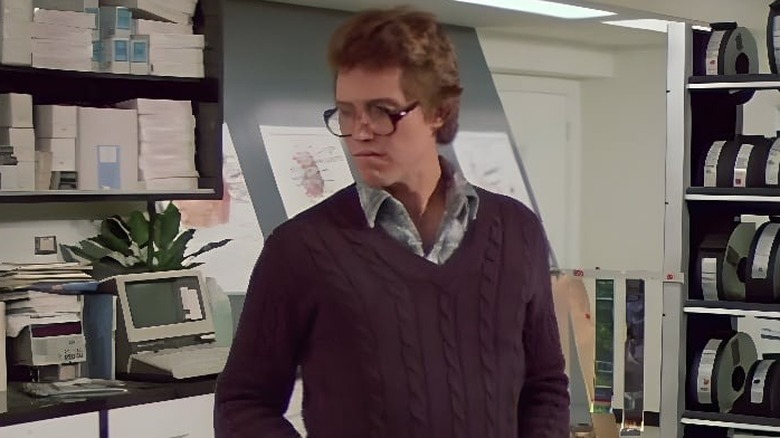
MGM was in a bad position in 1983, incurring over $600 million dollars worth of debt following a string of box office misfires. The plan was to turn "Brainstorm" into a tax write-off, but it eventually saw the light of day. While the film bombing added to the studio's financial woes, it received some positive reviews from critics. Heck, even the more negative reviewers said nice things about certain elements of the film.
Douglas Trumbull worked as an effects wizard on "2001: A Space Odyssey," "Close Encounters of the Third Kind," and "Blade Runner," so it's unsurprising that "Brainstorm" looks amazing. "He [Trumbull] does a wonderful job of making the telepathic experiences visually exciting," Roger Ebert wrote. "He cuts back and forth between wide screen and regular format, between ordinary sound and stereo, between standard lenses and astonishing visual effects." Elsewhere, New York Times critic Janet Maslin argued that Christopher Walken was miscast as a scientist, but praised his action-oriented scenes.
However, Maslin believes that Natalie Wood's final performance elevated the movie. "Playing a more mature character than she had done before, Miss Wood brought hints of a greater sturdiness and depth to this role, which is pivotal but relatively small." "Brainstorm" isn't a perfect science fiction movie, by any means. That said, it's very good for a movie that was almost buried by the studio only to fade into relative obscurity afterward. Its ideas are interesting, and the special effects still look good after all these years.