

Will Foldable Phones Make Tablets Obsolete?
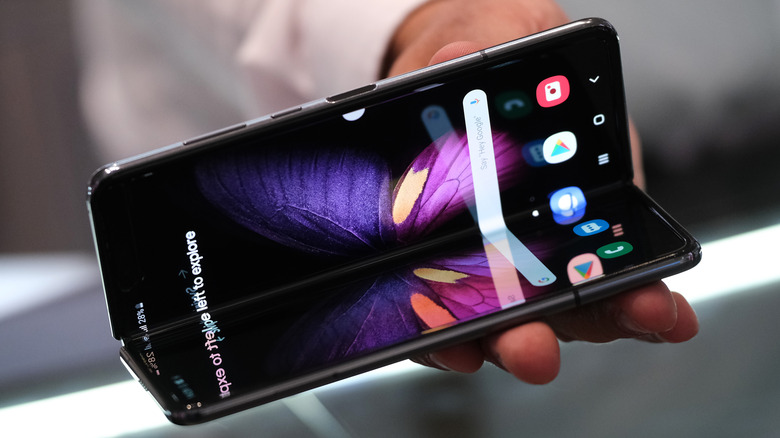
Foldable phones have been around for almost a decade now. With Apple rumored to soon present its upcoming iPhone Fold, 2026 saw us getting glimpses of the latest foldable devices by Samsung and Google, with the South Korean company introducing a new passport-sized device. While foldables have been through a long journey already, they're still not quite prepared to make tablets obsolete — at least not in the short term.
The main issue, of course, is pricing. These new foldable devices all cost over $1,500, while really good tablets can cost half or even less than this price. Even though the memory crisis has been pushing industry prices up, it's a lot easier to buy a tablet in 2026 than a foldable. Besides that, customers still complain about the durability of foldable devices, with many users reporting the inner screen getting completely destroyed after a year.
Combining this costly investment with a not-so-long lifespan, it will certainly take a longer time until foldables can make tablets obsolete, though this still also depends on the kind of tablet. After all, companies have been aiming their foldable devices to compete with tablets with around the same size as an iPad mini with its 8-inch display. However, none of those companies at this writing have given up on their biggest tablets ranging from 10 to 13 inches. While one day tablets might become obsolete, it seems we're just seeing different categories of products getting slightly similar.
Here's why tablets still thrive over foldables
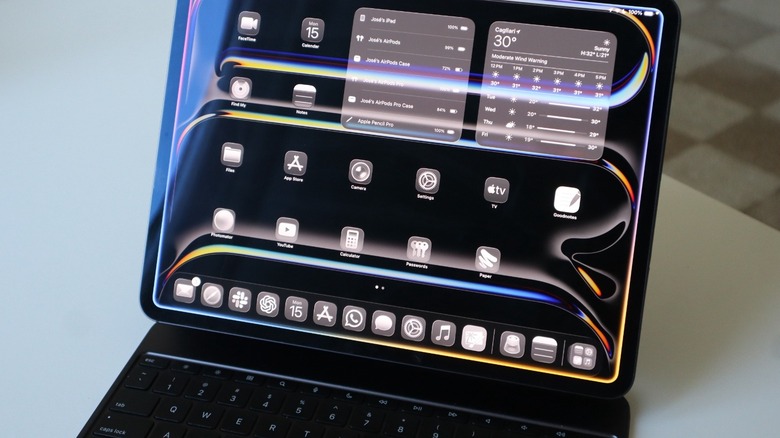
If you're a student, getting a tablet is one of the best deals — and there are five that BGR recommends as ideal if you're in the market for one. After all, if you're looking for a bigger display for your studies on a budget, a tablet is still a solid option. This is especially true because these devices support stylus accessories, while not every foldable does. Tablets are also easier to pair and attach a keyboard to, and there are several more accessories that can make a tablet shine before it arrives at the price of a foldable.
In addition, tablets have been on the market for a longer time, meaning customers with different backgrounds and needs know exactly what they will get with such a device. Even though a computer still remains as the easier way to get some tasks done since companies haven't cracked true multitasking capabilities for tablets, a foldable will only get you so far; just placing two apps side by side doesn't mean you're multitasking.
Another concern comparing both categories is battery life. After all, using a foldable like a tablet will drain its battery a lot faster, and without a bigger body, you'll have to rely on a charger a lot more often. Finally, many industry players are waiting for Apple to introduce its solution to see what the company has in store. As it happened with other product categories, Apple wasn't the first to introduce a computer, a laptop, a phone, a tablet, or a watch, but when the company joined these markets, it profoundly changed how others would tackle these products.
For some, tablets are already dead
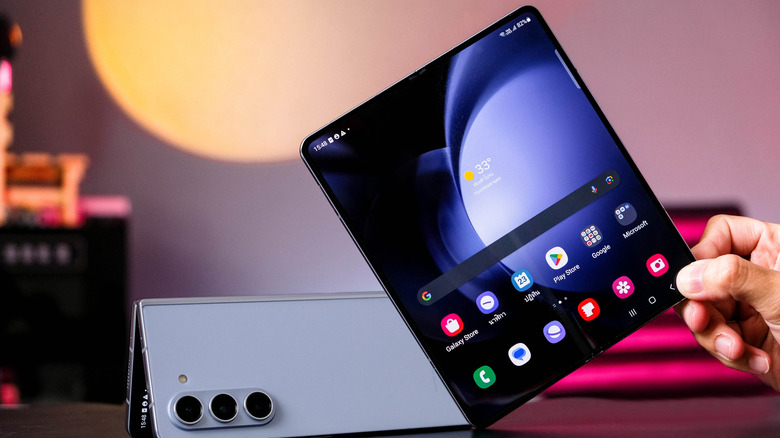
At this moment, if you're willing to spend enough money on a foldable, then it most likely replaces a tablet like the iPad mini. After all, the form factor when opened is very similar to Apple's device, and a foldable has probably better internal specs, a nicer OLED display, and more powerful cameras. Besides that, it's also a better fit when folded, slipping more easily into a pocket or purse.
If your primary reason to have a foldable, in addition to the device looking super futuristic, is to scroll social media, watch videos in a bigger display, or even reading articles, then it can easily replace a mini tablet, as both have similar use cases, Still, to think about a world where a table won't be around, it will mean that companies need to discover how to make foldables a lot more affordable so more people can upgrade to this newer technology.
That said, with a serious memory crisis still ongoing at time of writing, the current trend only points at tech products costing more and not the other way around. Tablets will still live for many years until companies discover how to make bigger, better, and more capable foldables.