

3 Of The Most Powerful Gaming Smartphones On The Market In 2026
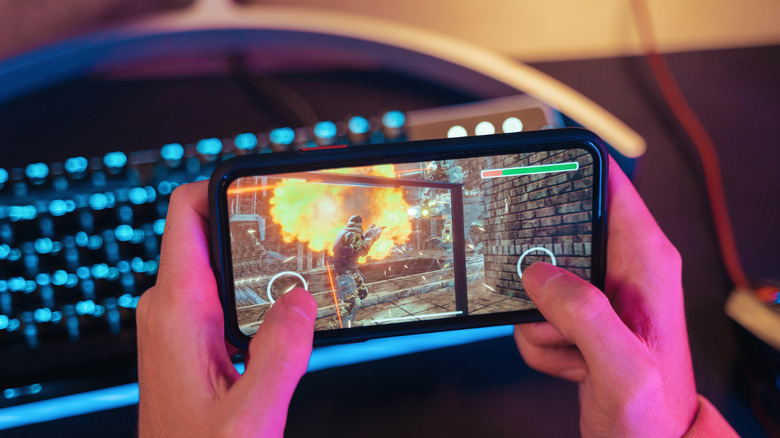
Although choices for dedicated gaming phones have dwindled in recent years, especially with Asus' decision to shut down the ROG Phone division, the likes of RedMagic continue to cater to gaming enthusiasts. Even smartphones that don't explicitly target gamers are known to deliver a good experience, thanks to increasingly powerful processors, well-thought-out cooling mechanisms, and beautiful displays. Of course, you won't find some of the more specialized features or hardware found on dedicated gaming phones, but there's the advantage of well-rounded overall performance and subtle design.
As a result, if you're in the market for a new gaming phone, there is a decent selection to choose from. If budget gaming phones aren't cutting it for you and you need the absolute best performance, we have handpicked three of the most powerful phones for gaming. While selecting these smartphones, we considered their real-world gaming performance, different gaming-related features, and availability in the U.S.
Apple iPhone 17 Pro and Pro Max
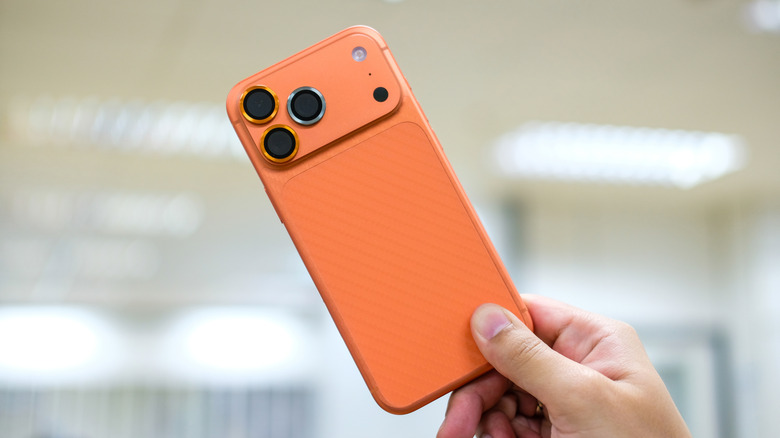
If you're part of the Apple ecosystem or prefer iOS, Apple's iPhone 17 Pro models are great for gaming, thanks to their powerful A19 Pro chip, which houses a six-core CPU and a six-core GPU, paired with 12 GB of RAM. But more importantly, Apple has included a vapor-cooling chamber, which, combined with the aluminum chassis, helps keep iPhones from overheating during your gaming sessions. However, you'll notice some throttling after a certain point in your long and heavy gaming sessions, as the iPhone inevitably starts heating up.
In benchmarks like 3DMark Solar Bay and 3DMark Wildlife Extreme, which target capabilities important to gaming, the iPhone 17 Pro models score around 12,000 and 6,000, respectively, with the Pro Max variant generally offering slightly better performance. These are among the top scores you'll get on any phone. The two iPhones are also reliable under long-term loads and reach almost 60fps at maximum graphics settings in Genshin Impact.
Another positive of the iPhone 17 Pro models is the expansive accessory ecosystem that gives you access to high-quality third-party controllers to attach to your iPhone. Even on the software front, the iPhone 17 Pro models have a few features for gamers, including the Apple Arcade subscription service, the Games app for easy access to everything gaming-related, and the various game streaming apps that you can download from the App Store. You also get a beautiful OLED display with support for up to a 120Hz refresh rate and HDR. The iPhone 17 Pro and the 17 Pro Max start at $1,100 and $1,200, respectively, and are available in multiple colors and storage variants.
RedMagic 11S Pro
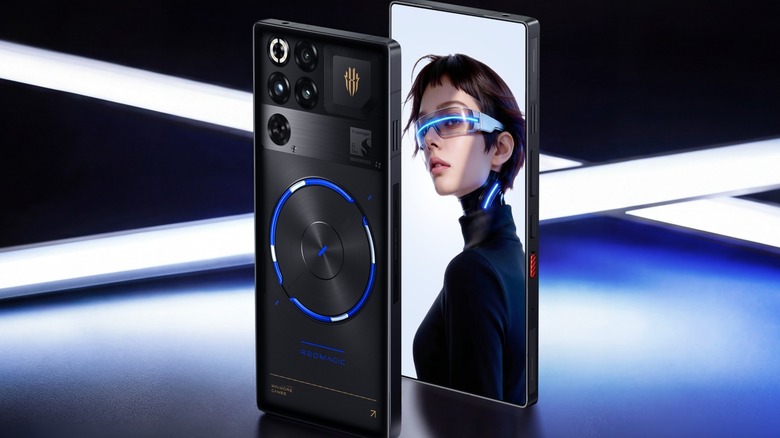
The RedMagic 11S Pro is the only gaming-focused smartphone you can officially buy in the U.S. It's a minor refresh of the company's previously launched RedMagic 11 Pro, and one of the changes is the upgraded liquid cooling system, which is supposed to help the phone deliver its peak performance for longer. As we found in our RedMagic 11S Pro review, it works pretty well. The only downside we noticed is the audible fan noise.
Another upgrade in the phone is a higher-binned version of Qualcomm's Snapdragon 8 Elite Gen 5 chip, which certainly helps keep things running smoothly and delivers excellent performance. The phone managed to score around 8,100 in the 3DMark Wild Life Extreme test and over 14,500 in the 3DMark Solar Bay test. It also shines in actual gameplay, hitting an average FPS of almost 60 in Genshin Impact at the highest settings.
In other features that matter to gamers, the phone has built-in capacitive shoulder triggers, a hardware toggle to trigger Game Mode, and a 144Hz display with a 3,000Hz touch-sampling rate. It also houses a massive 7,500mAh battery with support for 80W fast wired and wireless charging and runs on Android 16 with RedMagic OS 11.5 on top, which includes tons to satisfy gamer needs, including Game Space, which allows you to tweak everything from CPU and GPU profiles to mapping shoulder triggers. However, the software isn't as polished as you'll get on the likes of the iPhone or Samsung phones. Another downside of the phone is its middling camera performance. You'll have to shell out $949 for its lone 16 GB memory variant in the U.S.
Samsung Galaxy S26 Ultra
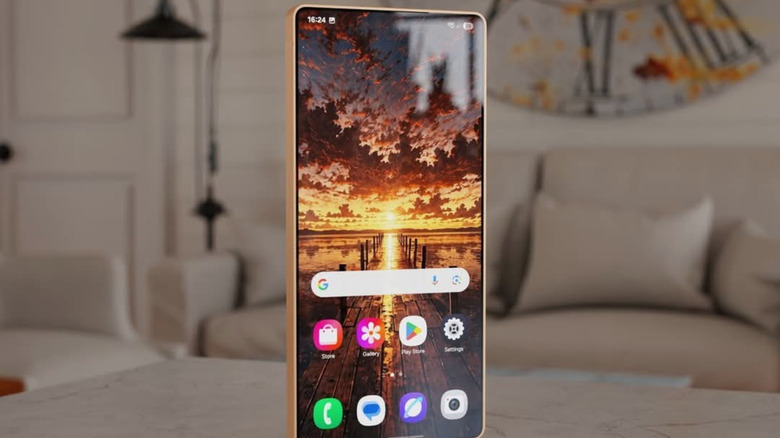
For folks who prefer Android but want both gaming and a regular smartphone experience to be top-notch, the Samsung Galaxy S26 Ultra is a good option. It packs a specially tuned version of the powerful Qualcomm Snapdragon 8 Elite Gen 5 processor with up to 16 GB of RAM and a 6.9-inch LTPO OLED display with up to a 120Hz refresh rate. The phone also includes a vapor chamber with a graphite heat sink to keep the temperature under control during long gaming sessions and other intensive workloads.
It performs pretty well in synthetic benchmarks like 3DMark Solar Bay and 3DMark Wild Life Extreme, with scores of almost 12,000 and around 7,100, respectively. However, the phone does start throttling after around five minutes of peak performance. Still, for most of your gaming, you're unlikely to be disappointed, as it's able to manage an average FPS of around 52 in Genshin Impact with the highest settings.
One interesting feature found in the phone is its ability to bypass charging to power the phone directly off the wall adapter. This helps keep the overall temperature of the phone down, as the battery heats while charging. There is also Game Mode, which allows you to tweak different aspects for a better gaming experience. Other highlights include Android 16 with One UI, a 5,000 mAh battery with 65W wired charging, and a quad rear camera setup. You also get support for the S-Pen and the Privacy Display mode. All this for a starting price of $1,300.
How we selected these gaming phones

While looking for the most powerful gaming smartphones, we focused on high-end offerings from Apple and Android manufacturers as well as any dedicated gaming phones on the market. We consulted our own experience along with reviews from other experts to refine our recommendations based on synthetic benchmarks, gaming performance, and gaming-specific features. We also limited our selection to phones officially sold in the U.S.