

Motorola Razr+ Vs. Samsung Galaxy Z Flip 8: Which Compact Foldable Is Better In 2026?
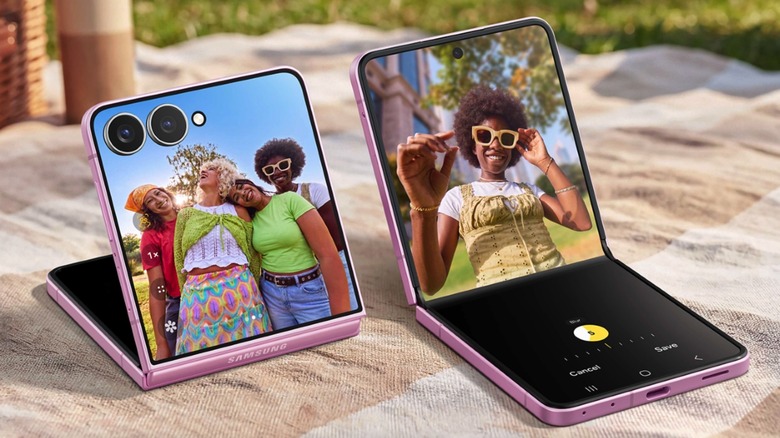
Samsung's more compact, passport-style Galaxy Z Fold 8 foldable made quite an impression with reviewers and buyers this summer, with reports indicating the company is ramping up production. But buyers looking for a more affordable, high-end compact foldable don't have to spend $1,899.99 on the Galaxy Z Fold 8. Instead, they can choose one of the 2026 clamshell handsets available in stores this summer. The Motorola Razr+ and the Galaxy Z Flip 8 are two of those brand-new compact foldables. Choosing between these two high-end phones from Motorola and Samsung is no easy feat, as each has advantages and drawbacks. The Motorola Razr+ may be a little more fun and functional for users who want to make the most of that cover screen. But even so, the Galaxy Z Flip 8 has two important advantages that the Razr+ can't match. The Samsung phone features the latest chip available for Android handsets and offers significantly longer software support than the Razr.
The Galaxy Z Flip 8 is the better value long-term. It'll receive up to seven years of Android updates and seven years of security updates, compared to three years of Android updates and up to five years of security updates for the Razr+. Even if Motorola reaches software support parity with Samsung, the Galaxy Z Flip 8 still has the better chip, which should offer more headroom for future Android features, including new on-device AI capabilities rolling out to phones in the coming years.
Also important is the customer support. Whether it's a passport-style foldable or a clamshell device, foldables remain fragile. The foldable screen is one accident away from requiring a fix. Samsung might be the better choice in this department.
The only scenario in which the Motorola Razr+ wins
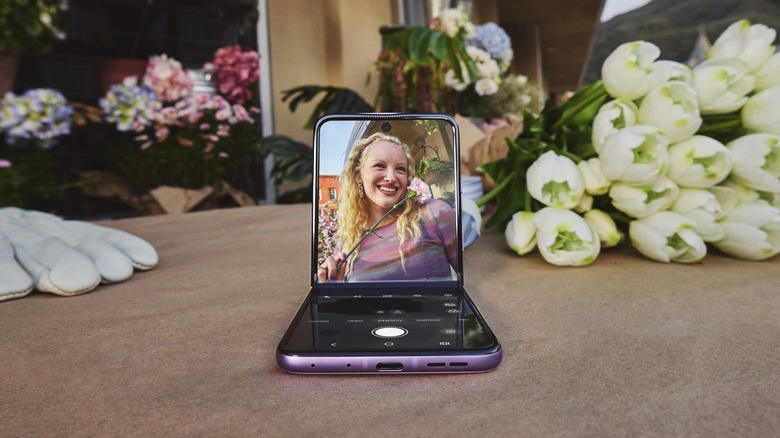
The Motorola Razr+ costs $1,099.99 but only comes in a 256 GB storage version. The 256 GB Galaxy Z Flip 8 is more expensive, $1,199.99, but Samsung also sells a 512 GB model. The Razr+ features a 6.9-inch foldable display just like the Flip 8. The Samsung foldable has a slightly larger cover screen: 4.1 inches vs. 4.0 inches. However, the Razr+ supports higher refresh rates on both displays (165 Hz vs. 120 Hz). The Razr+ foldable screen also has a higher peak brightness (3,000 nits vs. 2,600 nits), though the Flip 8's cover screen reaches a higher peak brightness (2,600 nits vs. 2,400 nits).
The cover screen is the Razr phone's main advantage, but it's not about specs. Motorola has always given users more freedom than Samsung, letting all Android apps run on the cover screen. That may not be an ideal experience for social media scrolling, but the cover screen can be useful for navigation, messaging, quick browsing, taking photos, and other activities. The Galaxy Z Flip phones have historically been more restrictive. The Flip 8 supports more apps on the cover screen than before, without Good Lock customizations. But a buyer looking for more functionality from their clamshell may prefer the Razr+ over the Galaxy Z Flip 8, especially if they don't plan on holding onto the clamshell for more than three years.
Motorola's new clamshell also features a larger battery (4,500 mAh vs. 4,300 mAh) and faster charging (45 W vs. 25 W). Finally, the rear-facing camera system favors the Razr+. The Motorola handset has two 50-megapixel lenses (wide and ultra-wide), compared to the Flip 8's 50-megapixel wide and 12-megapixel ultra-wide cameras.
Why the Galaxy Z Flip 8 is the better clamshell of 2026
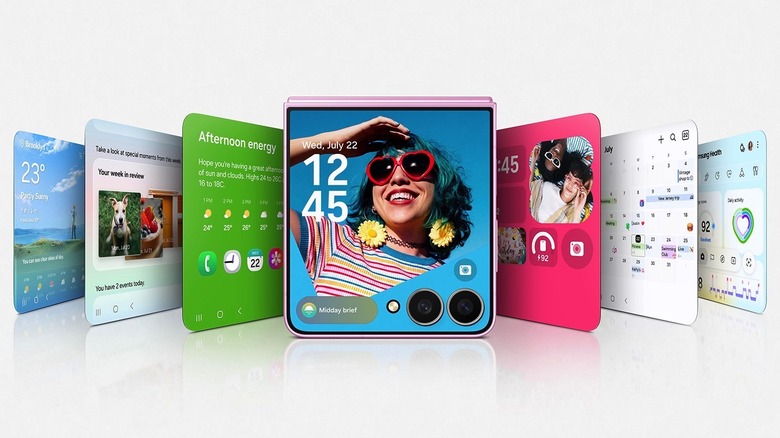
The Galaxy Z Flip 8 is the thinner, lighter clamshell. It weighs 180 grams (vs. 189 grams), and it's just 6.1 mm thick when unfolded (13.1 mm when folded). The Razr+ is thicker, at 7.1 mm and 15.1 mm, respectively. Both phones are rated IP48 for dust and water resistance, though the Galaxy Z Flip 8 may feature the more durable build quality. The handset features an Armor Aluminum frame, and the cover screen uses Gorilla Glass Victus 2. The Razr+ has a Gorilla Glass Victus cover on the external screen, and the rear panel is made of wood, Alcantara, or a woven material. These design details may matter to buyers looking for peace of mind. Consumers may also be interested in Samsung's extensive network of authorized repair shops, with over 1,000 locations available for repairs.
Durability aside, the Snapdragon 8 Elite Gen 5 chip Samsung uses in the U.S. version of the Flip 8 is the phone's biggest advantage over the Razr+. It's the same high-end chip Samsung used in the Galaxy S26 Ultra and the Galaxy Z Fold 8 foldables. Motorola went with the Snapdragon 8s Gen 3 chip, a 2024 processor the company has used in previous Razr+ versions. Motorola also raised the price for this year's Razr+ model, despite not using Qualcomm's latest processor. Benchmark tests show a massive difference between the two chips. The Elite reaches 3,627 (single-core) and 11,215 (multi-core) in Geekbench 6 scores (via Tom's Guide), while the 8s Gen 3 tops out at around 1,915 and 4,773 points, respectively. Add the seven years of software support, and the Galaxy Z Flip 8 is the clamshell to buy for long-term use.