

Amazon Devices Just Got A Lot More Expensive Thanks To The Memory Crisis

If you look at Amazon this week, you might notice that much of Amazon's hardware has become noticeably more expensive. The company quietly raised its prices across the board, including on devices like its Echo, Kindle, Fire TV, and eero lineups. While not every price hike is huge, there are some pretty substantial increases.
The Echo Dot has now jumped from $49.99 to $79.99 while Amazon's 16GB Kindle rose from $109.99 to $149.99. The 16GB Kindle Paperwhite increased from $159.99 to $199.99, too, and even the Fire TV Stick 4K Max has seen a hike, rising to $84.99 instead of its previous $59.99. Ring products weren't included in the increases at this time, however, but a number of the company's eero devices saw price hikes as well.
Amazon says rising component costs are the big bad to blame, with the company telling Fortune that the consumer electronics industry is dealing with "significant increases in memory and storage component costs." Much like the other companies that have followed this pattern in the past several months, Amazon claims that it had absorbed those costs for as long as it could before raising its prices.
Amazon isn't alone
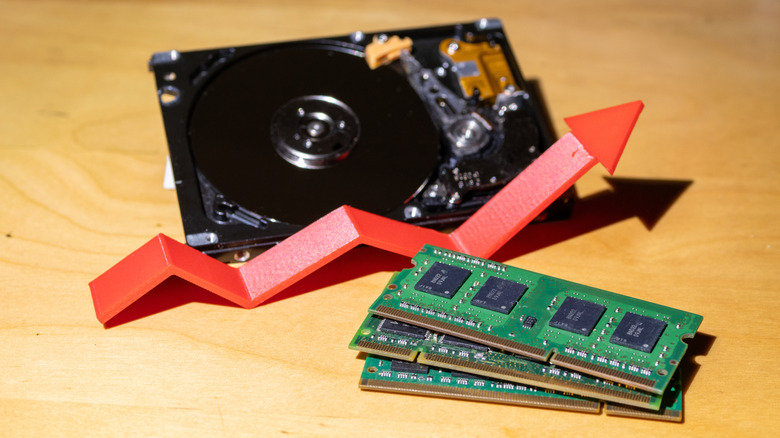
Amazon might be the latest to raise hardware prices, but it has plenty of company. Roku raised prices on its streaming devices in July, with the company also blaming the rising memory prices as the primary driver. With Roku, these changes pose questions about the company's future as an affordable streaming platform, but Amazon doesn't face the same scrutiny. That's because its biggest devices — like Kindles — face some competition, but are largely in a powerful position in their respective market.
Other big tech companies such as Apple also raised prices, with the Mac, iPad, Apple TV, HomePod, and several other products getting a hike back in June. The base iPad went from $349 to $449, while the MacBook Neo increased from $599 to $699. The iPhone didn't see a price increase this time around, but it's likely only a matter of time until it does.
Samsung raised prices on a number of Galaxy phones, tablets, and laptops too. On phones, the increases mostly hit higher-storage configurations, with several 512GB and 1TB models going up by $80. Tablets were hit much harder, though, with the 512GB Galaxy Tab S11 climbing from $979.99 to $1,199.99. Meanwhile, the 1TB Galaxy Tab S11 Ultra jumped from $1,619.99 to $1,899.99. Samsung's laptops weren't spared either, with the 1TB Galaxy Book 6 Ultra increasing by $450, from $2,449.99 to $2,899.99.
Memory isn't getting cheaper, yet
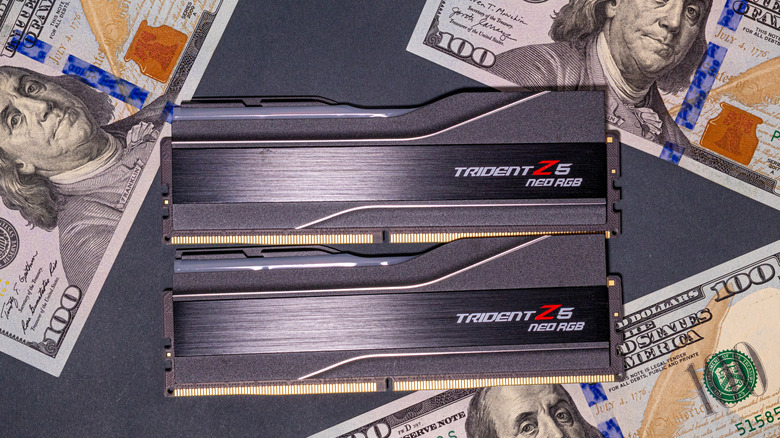
Unfortunately, the price hikes are unlikely to stop there, either. TrendForce currently expects DRAM prices to jump another 13% to 18% quarter-over-quarter in Q3 2026, while NAND Flash prices are expected to climb between 10% to 15% higher than their current listings. As those prices increase on the manufacturer side, TrendForce expects that will trickle down to consumers even more, especially when looking at more expensive devices like laptops. In fact, we've already seen some companies discussing returning to 8GB of RAM as the standard for newer laptops in 2026 and onward.
The core of the problem, of course, is still AI. As data centers continue to expand and memory manufacturers shift more of their capacity toward creating server-based DRAM and high-bandwidth memory, the room for consumer-grace PC components is shrinking. And those areas of AI-focused manufacturing are expected to grow nearly 31% year over year in the most recent forecasts.
Adding more supply isn't something manufacturers can do overnight, either. Samsung, SK Hynix and other suppliers are already expanding production, but this takes time to build and ramp up. New DRAM capacity isn't expected to really make a meaningful difference until the second half of 2027, or the following year, while it's possible NAND could get relief sooner.