

The Pixel 11 Pro XL's USB-C Fast Charging Has One Big Problem
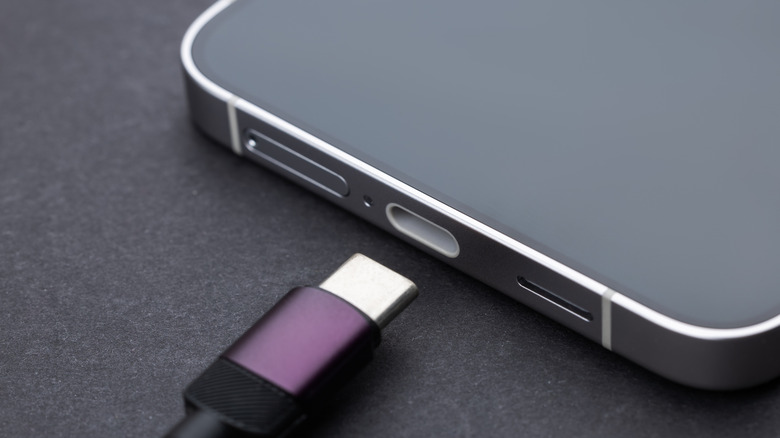
On paper, the Pixel 11 Pro XL is the fastest-charging phone that Google has ever released, thanks to a wired charging connection rated up to 45W. Google claims the phone can reach 75% in just 30 minutes of charging when paired with a compatible USB-C PPS charger, but hitting those speeds is not as simple as just plugging your phone into any 45W or higher charger. That's because testing has shown that the Pixel 11 Pro XL actually requires a specific voltage of power to hit its peak charging speeds.
Android Authority found that the Pixel 11 Pro XL was able to hit a little over 40W when connected to Google's Pixel Flex 67W charger. The big catch here is that to hit the charging speed Google is boasting, you need to use a charger capable of supplying power at 21V over USB Power Delivery PPS. That voltage is important, because the test found that a second 67W PPS charger — with a lower voltage range than the Pixel wanted — used during testing only managed around 25W of charging at its peak.
This development makes the Pixel 11 Pro XL surprisingly picky for a smartphone. A 45W, 65W, or even higher-wattage charger can still charge the phone, but it won't necessarily unlock its fastest wired charging. Having the right USB-C charger is still important for getting the fastest speeds. And anyone planning to reuse a charger they already own will need to verify it hits the correct configuration to support the Pixel 11 Pro XL's fastest charging speeds.
Just having a 45W charger isn't enough
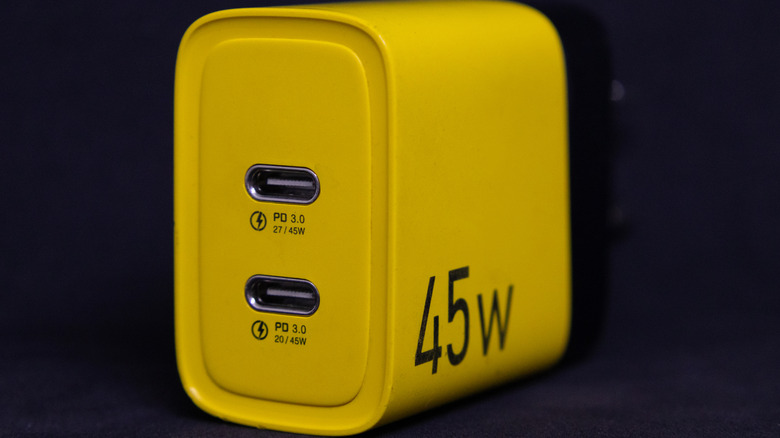
The important thing to keep in mind here is PPS, which stands for Programmable Power Supply. This functionality essentially lets the phone ask the charger for more precise combinations of voltage and current as it charges. This is great because many phone chargers require different wattages to work correctly, and PPS allows the phone to charge more effectively without having to worry about overheating and other charging issues. While several modern USB-C chargers support PPS, that doesn't necessarily mean they're going to support the voltage or wattage that the Pixel 11 Pro XL requires.
The good news is that there are chargers that support the phone's required voltage. Both Google's 45W USB-C charger and the newer Pixel Flex 67W charger have the 21V PPS profile the phone needs to hit its peak charging speeds. You can't just pick up any 45W or higher charger and expect it to charge as fast as possible, and since Google doesn't offer chargers in its boxes anymore, you'll likely have to purchase a compatible charging device.
Even with the correct charger, setting your phone charging station in the best place within your home is still just as important as it has always been. This helps keep your phone cool while it charges, which can ensure speeds don't slow over time.
Is the speed boost even worth it?
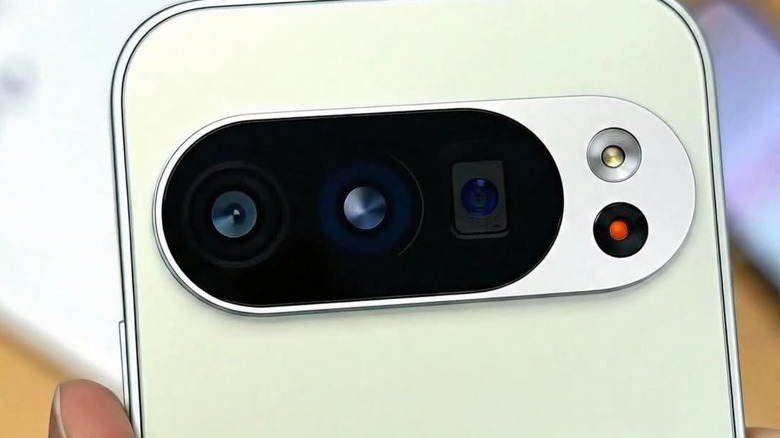
Even with the right charger, getting the Pixel 11 Pro XL to charge at its peak speeds doesn't suddenly make it worth the investment. In Android Authority's testing, the phone reached 50% in 21 minutes. It then took around 35 minutes to hit 75%, while the complete charging cycle took closer to 70 minutes. For comparison, the Pixel 10 Pro XL takes around 23 minutes to reach 50%, 40 minutes for 75%, and then closer to 80 minutes for the full charge. So while there is certainly an improvement with the newer generation of devices, the actual difference is fairly small considering the trouble you might need to go through and the added expense for a charger that you need to spend.
Ultimately, if you aren't worried about hitting that higher end of charging speeds, then you can just use whatever USB-C charger you want. However, if you want the fastest speeds on the Pixel 11 Pro XL, then you'll need to grab a charger that supports the specific voltage that the phone is looking for.