

Android Tablets Are Finally Interesting In 2026 - Here's Why
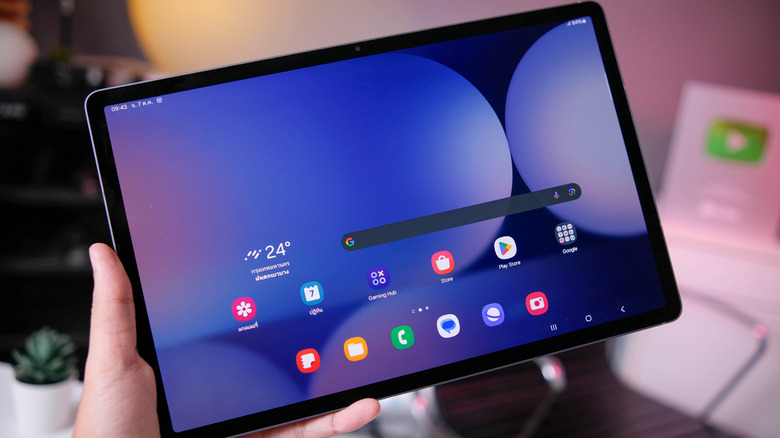
For a long time, Android tablets had a pretty poor reputation. The first version of Android designed exclusively for use on tablets was 2011's Honeycomb, but thanks to stability issues, it never really threatened the iPad. In fact, Apple would continue to dominate tablet market share right up until the present day.
Nowadays, the landscape has changed. Apple has increased its prices due to hardware shortages, causing some consumers to delay upgrades, repair instead of replace, and seek cheaper alternatives. In short, there's never been a better time to consider an Android tablet. They're significantly more powerful than before, and available for a fraction of the price of an iPad.
There are outliers, of course, like Samsung's premium Galaxy Tab range, but less-powerful tablets often sell for under $200. It's not just price either: Android tablets have many advantages over their iPadOS-based counterparts, including some you may not have thought about. Let's discuss the strengths and shortcomings of a typical Android-based tablet to see if one might be right for you.
Lower cost, higher interoperability
Assuming you buy a middle of the road Android tablet, you won't just be saving on the initial purchase. Apple has repeatedly fought back against third-party repair companies and parts, despite the fact that you legally own the hardware after purchase. Eventually, it caved and introduced a half-hearted self-repair service that iFixit described as "engineered to fail."
In contrast, Android devices can be readily repaired by anyone you trust enough to leave your device with. There's usually no issue with using aftermarket or refurbished parts, and tablets running Android are typically easier to repair yourself if you'd like to cut out the middle man. Just be aware that most warranties won't cover damage caused by a botched repair.
Another advantage is that you don't have to buy into Apple's ecosystem. In fact, you can largely ignore Google's too, although a Google account is required to use the Play Store. Android tablets connect to Windows devices natively, without the need for additional software, and can run the same version of Android as your phone; making for a more-consistent cross-device experience.
Android tablets are more varied
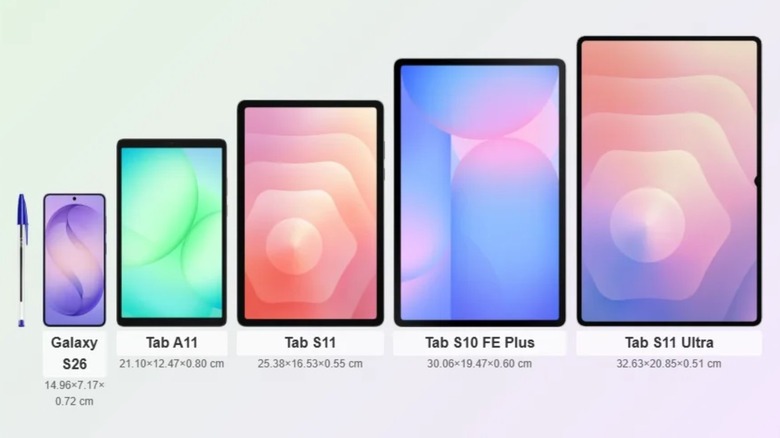
These days, there's a tablet for everyone. That said, it pays to think carefully about your requirements for specs and features before buying anything, since budget tablets can have anything between 2–8 GB RAM, and a huge range of potential screen resolutions. If portability is your top concern, pick a hand-sized tablet. If you need something larger for drawing or gaming, there are plenty of big tablets with screens of up to 15 inches.
If you're looking for an affordable way to read books, browse the web, and stream your favorite shows, an Android tablet would fit the bill nicely. While these don't have the same brand appeal as an iPad, it's hard to complain about a versatile product that's available at so many different price points. Besides, with an average lifespan of around five years, you'll have plenty of time to get your money's worth.