

Pennsylvania Farmer Turns Down Nearly $16 Million Offer From Data Center Developers
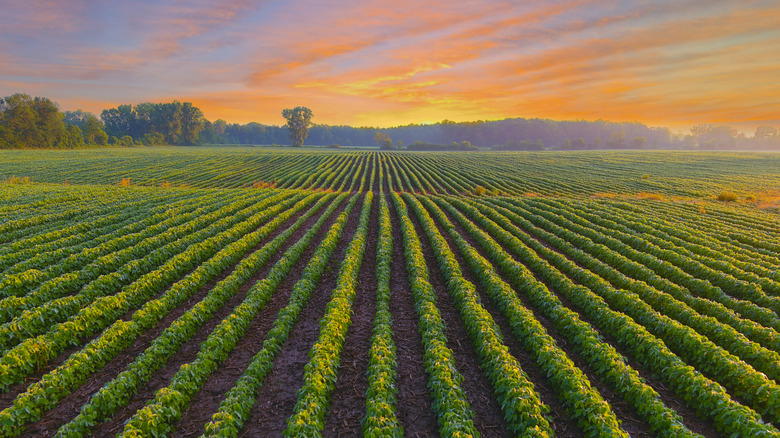
Data centers take up a lot of real estate, and developers are getting it — either by kicking people out of their homes using eminent domain or buying up farmland in rural areas. But as government officials push for continued development of data centers across the U.S., many residents are pushing back in an effort to prevent these gigantic water-sucking, energy-devouring buildings from popping up in their communities. One farmer in Pennsylvania showed how far he'd go, monetarily, to push back.
Mervin Raudabaugh evidently rejected an offer of around $15.7 million to develop an AI data center on his 261-acre property. That astronomical amount of money — which equates to about $60,000 per acre — would have seen his land used to construct a massive facility housing computers, technology, and devices all built to power AI. Raudabaugh declined the offer, but he took a deal with a voter-backed preservation program worth $1.9 million. This deal — worth closer to $7,200 per acre — creates a conservation easement on Raudabaugh's land that prevents future development for commercial, industrial, or residential purposes. He still owns the land and can sell it in the future, but it can't be used for anything other than agriculture.
More landowners are pushing back
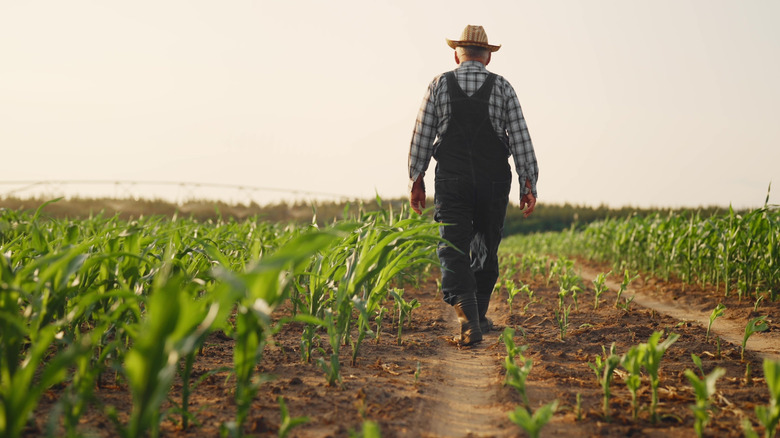
This isn't the first time famers have turned down large offers from companies looking to buy their land to build an AI data center. Another story saw a Kentucky family, who own a 1,200-acre farm, turn down a $26 million offer for half their land in April 2025. The offer was made by an anonymous buyer, and while the average land value in their area was around $6,000 per acre at the time, this offer was for more than $43,000 per acre.
The farmers stated they would not want to be the reason their farm, which has been in their family for generations, was turned into a data center. Instead of the peaceful sounds of farm life, grazing animals, and the wind through the fields, it all could have looked and sounded rather different for the family. Constant buzzing and increased bills might be what it's like to live near a data center. Other families in the area did end up selling their properties, but the community is now attempting to rezone acreage to prevent the construction of data centers.
Why are data centers looking to buy land?
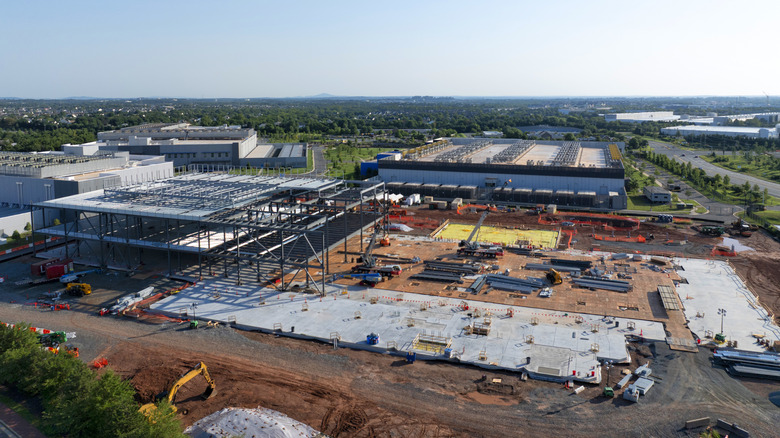
AI data centers require large amounts of land, sometimes hundreds of acres, in order to build the massive buildings needed to store RAM, computers, and devices necessary to power AI. Plus, they are used to house servers, networking gear, and supporting systems like cooling, backup power, and security all required to ensure everything runs without fail within the building.
One of the largest AI data centers in the U.S. can be found in Shelby, Tennessee. The site, known as Colossus 2, began operating in 2026 and was built by xAI. It is located on100 acres of land and the actual building takes up a grand total of 1,000,000 square feet. Riot Platforms Rockdale, located in Texas, sits on 200 acres of land and encompasses 430,000 square feet of computing space.
AI data centers also use generators to power resources with thousands of them being used at one such AI data center in Northern Virginia. They can be the size of a rail car, and may not only be loud but cause air quality problems. AI data centers may be quite large and take up vasts amounts of land, but one tech company wants to put a mini data center in your home in the future.