

5 Over-Ear Headphone Brands That Have Better Battery Life Than Bose
We may receive a commission on purchases made from links.
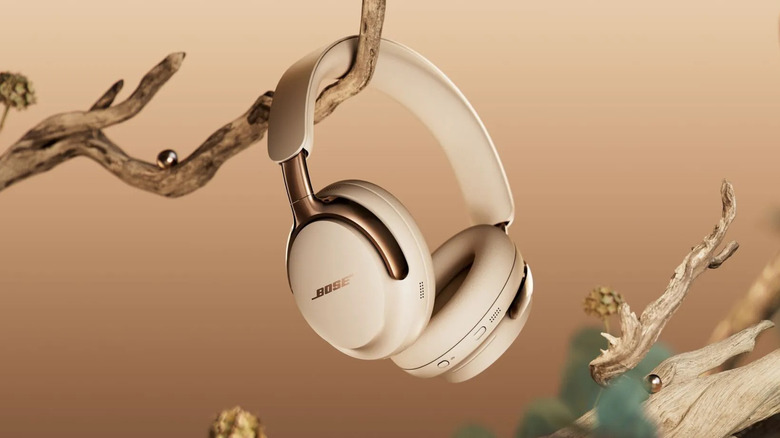
Bose over-ear headphones usually appear among the best options for users looking for both comfort and good noise cancellation. Thanks to the QuietComfort line, this reputation became well established over the years, while the most recent models added new features and improvements to the brand's headphones. Still, battery life is not necessarily the main reason to choose Bose over competitors.
Although the battery life of the brand's models is not necessarily bad and can easily handle many use scenarios, including travel and work, it can disappoint some users. Anyone who would like to spend even more time without charging their own headphones can find alternatives that last considerably longer. In fact, some brands can offer twice as much time as Bose offers in its gadgets.
This difference becomes even more relevant because Bose headphones usually sit in a premium price range, so battery life can weigh a lot in the purchase decision. For that reason, we separated some models from other brands that are over-ear headphones and can work for a long time between charges.
Marshall Monitor III A.N.C.
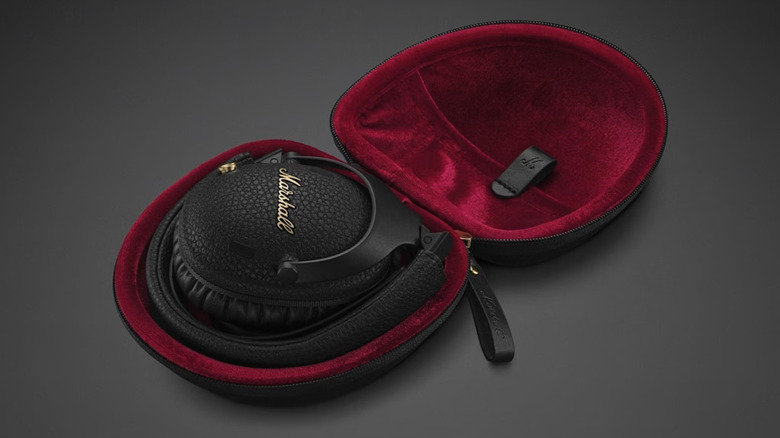
In the premium segment, Marshall is one of the brands that stands out most for battery life. The Monitor III A.N.C. promises up to 70 hours of playback with active noise cancellation on, which is more than double the 30 hours announced for the second generation Bose QuietComfort Ultra Headphones. Without using this technology, this Marshall headphone can have up to 100 hours of battery life, making it perfect for anyone who uses it a lot and does not want to stay near an outlet.
The battery is also not the only quality point of the Monitor III A.N.C. Besides the battery life of up to 100 hours on the Marshall Monitor III, the headphone also offers Transparency mode, Bluetooth multipoint, Soundstage spatial audio, and a foldable design that works well when you need to carry it. You can find it for $349, making it a headphone with more battery life and a slightly lower price than Bose's QuietComfort Ultra, making it a good alternative to the brand.
Sennheiser Momentum 4 Wireless
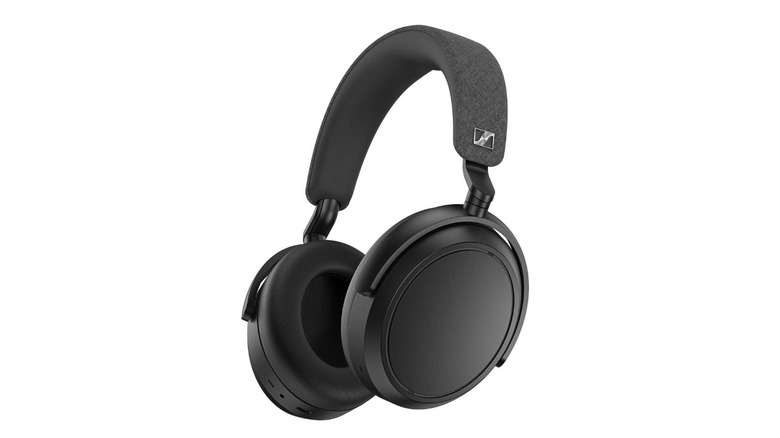
Another Bose competitor in the premium headphone market is Sennheiser, and its Momentum 4 Wireless is one of the devices that stands out for the battery life offered to users for $299. It has up to 60 hours of playback via Bluetooth with ANC on, which is twice the 30 hours of Bose's QuietComfort Ultra. This battery life is good for anyone who uses headphones a lot, since the need to recharge it more often drops considerably.
Besides the battery, the Momentum 4 keeps the features expected in this price range, including adaptive noise cancellation, transparency mode, multipoint connection, and 42 mm transducers. It also supports SBC, AAC, and aptX Adaptive, which are different types of Bluetooth codecs that affect your headphone's quality. In fact, if you forgot to charge it, you can get up to four hours of charge with only five minutes plugged in, while a full charge takes around two hours.
Cambridge Audio Melomania P100 SE
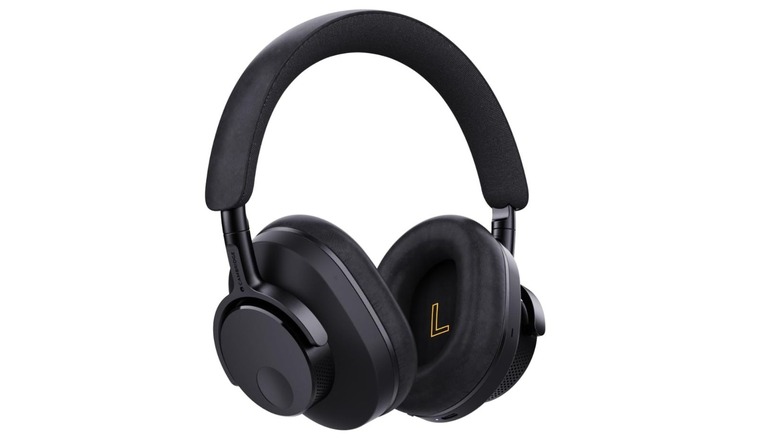
The Cambridge Melomania P100 SE is another headphone that has good battery life, while still focusing on sound quality. With ANC on, it reaches up to 60 hours of playback, which, again, is twice what Bose promises for its headphone. Without noise cancellation on, users get almost twice the battery life, since it can stay up to 100 hours away from the outlet.
The P100 SE also tries to stand out in audio. It uses 40 mm drivers with Class A/B amplification and supports aptX Lossless and aptX Adaptive, as well as AAC and SBC. You can still make additional sound adjustments through the headphone's app, while features such as multipoint connection and wear detection make it a more versatile device in daily use.
Another important point is the hybrid active noise cancellation system, accompanied by a Transparency mode for anyone who needs to hear the surrounding environment better. The difference between noise cancellation and transparency mode can also affect the sound experience depending on the scenario. Added to the user replaceable battery, this set makes the Melomania P100 SE an interesting alternative to Bose for anyone looking for longevity and battery life.
Dyson OnTrac
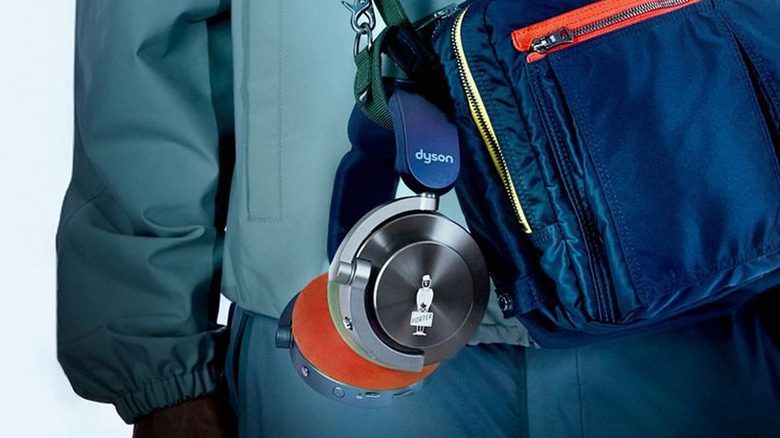
Another brand to keep an eye on if you want more battery life is Dyson, which can beat the performance of Bose headphones with the OnTrac, also its first headphone dedicated exclusively to audio. The model promises up to 55 hours of playback, even with noise cancellation, sitting well above the 30 hours of the QuietComfort Ultra. In addition, in an emergency, a 10-minute charge guarantees around two and a half hours of playback.
The OnTrac is also a headphone for anyone who really likes noise cancellation, since it focuses a lot on this feature. It has eight microphones to analyze external sounds and reduce what can get in the way of your music. In addition, its drivers work with a frequency range of 6 Hz to 21 kHz, while integrated sensors automatically pause playback when the user removes the headphones, helping avoid unnecessary battery consumption.
Another difference is the design, since Dyson allows you to swap the cushions and earcup caps, letting you customize them with several different colors. So, with an original price of $500, the OnTrac is another premium alternative to Bose for anyone who wants more battery life.
JBL Tour One M3
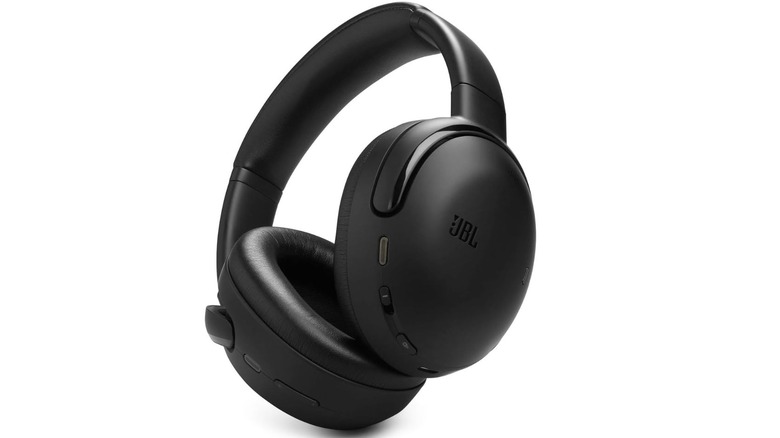
JBL also has an over-ear model that comes with a good battery life for users, with its Tour One, which offers up to 40 hours of battery life for users. It is a little above the 30 hours Bose announces for the QuietComfort, although the difference is not that large. If you choose to disable noise cancellation, this battery life rises to 70 hours, while a full charge can take two hours.
The Tour One M3 also includes True Adaptive Noise Cancelling 2.0, 40 mm drivers, Bluetooth 5.3, multipoint connection, and support for LDAC, AAC, and LC3. Customization features can help you get the best audio from headphones with noise cancellation, while Personi-Fi 3.0 adapts the sound to the user's hearing profile. The model also offers spatial audio, Auracast, and fast charging capable of providing up to five additional hours of playback in only five minutes.
How we chose these over-ear headphones

To build this list, we used the second-generation Bose QuietComfort Ultra as the baseline because it is the brand's current over-ear flagship. It has an official price of $449 and a battery life of up to 30 hours with audio cancellation on. This creates a baseline for us to look for other headphones in the premium segment in a similar range, but with better battery life.
Our selection process only considered wireless over-ear headphones with official battery life higher than the QuietComfort Ultra, prioritizing models that come equipped with noise cancellation and premium positioning. We also took prices, features, build quality, and use proposals into account to avoid comparisons with options that sit in another category. In addition, the battery life used here comes from the manufacturers' own numbers, and real battery life can vary according to each user's use.