

Do You Really Need Noise-Cancelling Headphones? Here's What Experts Say
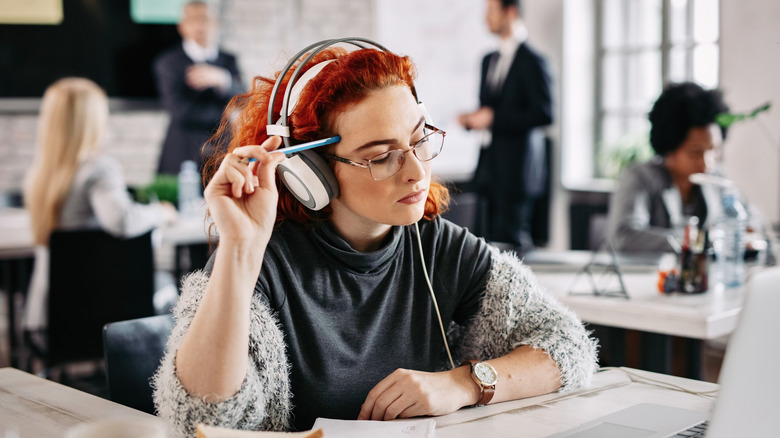
Unless you have a sound sensitivity, difficulty staying focused, or a job that requires you to pay close attention to audio, you probably don't need noise-cancelling headphones. That said, there are many situations where they can be beneficial, such as by blocking the sounds of your loud coworkers and family. They can help provide a few minutes of near-silence during a busy morning commute. Also, they can help create a more immersive entertainment experience if you're in a generally loud place, like an airplane, bus, train, or even busy downtown area.
The World Health Organization even recommends using these headphones since they reduce the need to increase audio volume in noisy environments, limiting opportunities for hearing damage. This was backed up by a study performed by a teams from Japanese medical and engineering universities proving noise-cancelling headphones can reduce the preferred listening level of music by up to 10 decibels (dB). Users claim that their headphones allow them to filter out distractions, thereby improving concentration and productivity, so if you'd like some quiet time while working, traveling, or at the gym, noise-cancelling headphones could be helpful.
There are limits, however: These headphones aren't intended to be used as hearing protection in extremely loud places like construction sites. For that purpose, ear defenders remain on top. Additionally, some people experience a feeling of pressure when using ANC (colloquially known as "eardrum suck"). While uncomfortable, this is simply an illusion caused by the brain processing a disruption in everyday background noise. Unfortunately, there's no way of knowing whether you'll be impacted until you try. Thankfully, there are plenty of cheap noise cancelling headphones worth buying, so at least you don't have to spend a lot of money to find out.
Everything you should know about Active Noise Cancelling
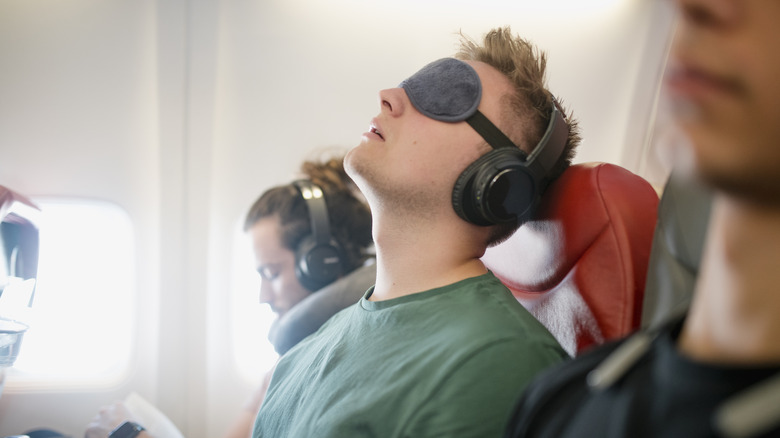
First, a brief overview of how noise-cancelling headphones actually work. While you're listening to music, microphones attached to your headphones are listening to the world around you. The headphones then process that sound and identify sound that are the exact opposite of what they heard, flattening one another out before they reach your ear. This is called active noise-cancellation (ANC) and it's the main alternative to noise-isolation, which reduces outside sounds by making it harder for sound waves to reach your ears.
Noise-cancelling is most-effective at filtering out constant low-to-mid-frequency sounds, such as the hum of an air conditioner. Sudden noises and fluctuating tones are unlikely to be cancelled out as efficiently since they don't give the ANC as much time to react.
The other thing to bear in mind is that noise-cancellation reduces battery life since the headphones are constantly processing and emitting the flattening sound. Louder environments mean greater amplification is needed, which drains the battery even more. Over time, heavy ANC usage could be a significant factor in why your wireless earbuds don't last as long as you expect.
Finally, noise-cancelling headphones can make it harder to be aware of what's going on around you. That may be alright in some situations but it's a good idea to remove your headphones while driving, crossing the street, or when you're in places where important information is delivered via ambient announcements, such as in airports.