

China Invented A Water Battery That Could Last Over 300 Years (And Still Be Usable)
Lithium-ion batteries pack a lot of power into small places. They charge smartphones, laptops, game controllers, and electric toothbrushes. The problem is lithium-ion batteries can be dangerous. If a cell is overheated or damaged, it can lead to thermal runaway, which is a chain reaction that can cause a fire, explosion, or even spew toxic gases. Despite attempts to extend the life of lithium-ion batteries, disposing of them can be a problem. Aqueous batteries are a safer alternative because the batteries are built around nonflammable, water-based electrolytes. However, they have their own issues, including corrosion and unwanted chemical reactions that can shorten their lifespan. Now researchers in China may have solved those problems, creating a long-lasting battery that relies on the same chemistry used to make tofu.
Many aqueous batteries use acidic or alkaline electrolytes that can produce unwanted electrochemical reactions, like consuming water and damaging electrode materials. These reactions cut battery life, and the electrolytes can make disposal difficult. Researchers say they solved this by pairing a specially designed organic polymer with a neutral electrolyte to reduce unwanted side reactions. Instead of using acidic or alkaline electrolytes, they used a neutral mixture of water and either magnesium or calcium salts. Interestingly, the same mineral salts can be used to coagulate soy milk into tofu.
The scientists charged and discharged the experimental battery 120,000 times without failing. Accounting for one full charge-discharge cycle per day, that's equivalent to about 329 years of cycling. They tested separate versions using magnesium chloride and calcium chloride. In the magnesium chloride test, the battery retained about 72% of its capacity.
China's water battery could transform energy storage
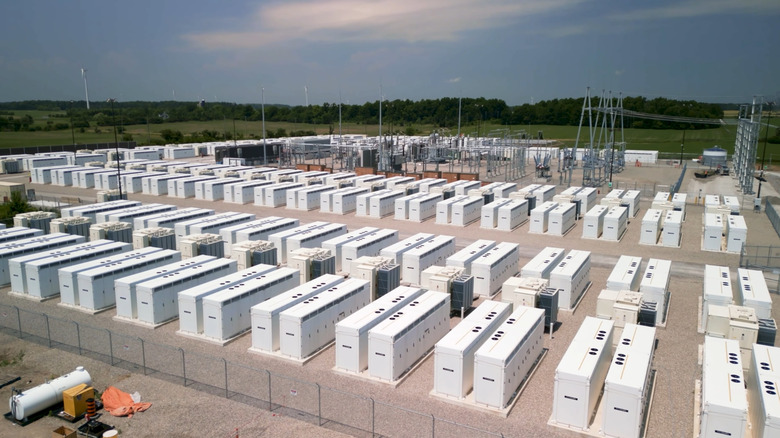
Aqueous batteries, like the magnesium- and calcium-based cells in the study, have the potential to be safe, cheap, and long-lasting energy storage. Think of a home with solar panels sending electricity to a battery you wouldn't be afraid of attaching to your home. That idea holds on a larger scale, which is why a 2024 paper in Chemical Society Reviews suggested aqueous batteries are well-suited for grid-scale energy storage, especially renewable energy. Solar and wind are variable sources, which require a way to store energy for periods when there's no sun or wind.
Frequent cycling is where this technology gets interesting. Forget 329 years, the 120,000-cycle result could have practical value within your lifetime. In the home, solar batteries can charge during daylight and discharge later. If the battery's durability translates to a home's power system, it could keep the same home running for generations. Then there are the gadgets you constantly charge and discharge. The ongoing cycle degrades lithium-ion batteries. A battery with this kind of cycle life could, in theory, keep you from replacing a Steam Deck you've spent years customizing with Decky Loader plugins, themes, and other tweaks.
When it's time to dispose of your aqueous battery, recycling is an option, since they're loaded with recoverable electrode and electrolyte materials. Of course, after powering your iPod Shuffle for 300 years, researchers say you could simply toss the battery in the garbage with few ecological consequences.