

Does Google Home Still Need A Dedicated Smart Home Hub?
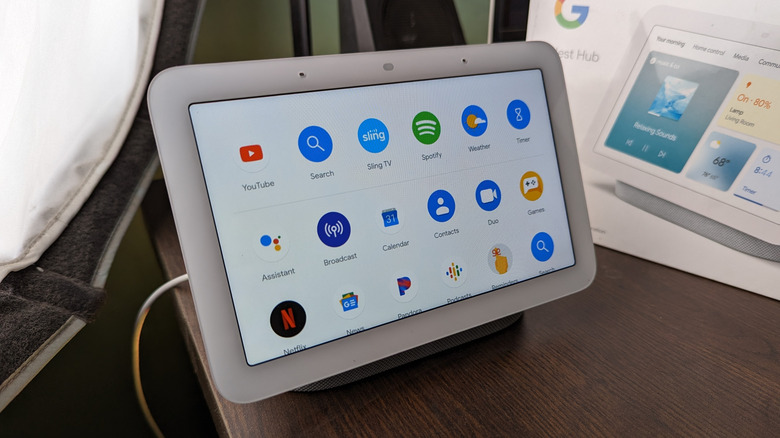
Smart home devices have their own ecosystems that (for the most part) talk to each other, but having the Google Home app on a smartphone doesn't automatically mean we can control all our devices. Hubs are required for Matter and Thread-enabled devices, for example, with the latter needing a compatible hub and Thread border router. But for those of us running just Google hardware like speakers, doorbells, and thermostats, we don't need a hub.
The default path for Google Home hardware is cloud-to-cloud communication, meaning it doesn't need a bridge or hub to communicate with the Nest and Google Home family of devices. The same goes for most other branded smart plugs, lights, and cameras, as they connect to their own cloud services to talk to Google Home.
We can easily link these products that sport the "Works with Google Home" feature in their native app, which provides access to thousands of partner brands. A Google speaker like a Nest Mini acts as a voice interface for smart homes, allowing us to speak commands that travel instantly via the cloud to control their smart devices. Google actually lists devices like Nest Audio as built-in hubs for voice control, meaning we don't need to buy one. If a Google smart home has cloud-connected devices, it's going to be a waste of money buying a dedicated hub.
Buying a Matter device means buying a hub
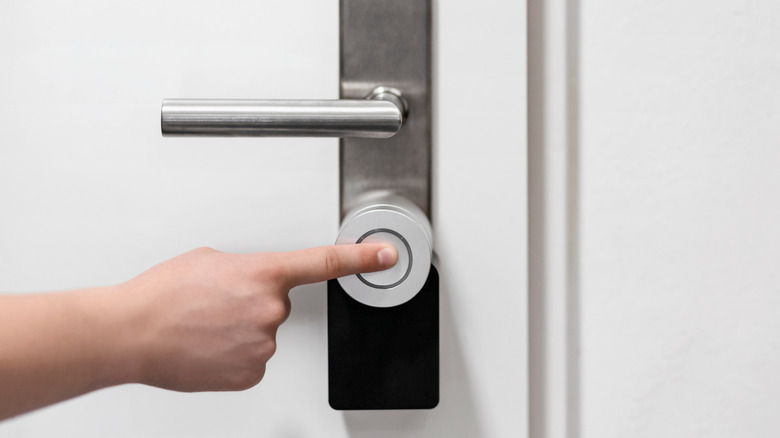
A Google-powered smart home needs a compatible hub to communicate with Matter devices. Google officially states that a Matter-enabled hub must be set up on the local network before adding any Matter devices to a home. The Google Home app won't let users proceed with adding a Matter-enabled device, stating that a hub is needed to set up and control it.
A hub is permanently required to operate them, which doesn't only enable them, but offers local and remote control for users. Local control is the best option for when owners are at home, it's a faster and quicker way of controlling a smart home, but remote access is handy when people are away too.
The confusion over Matter seems to come from them being Wi-Fi enabled, but this functionality is simply to connect to a Matter Hub. Google also makes a point of Matter-enabled and Thread-Enabled hubs being two completely different technologies, where they refer to Matter-enabled hubs as just Wi-Fi hubs, which can be confusing for newcomers to the space. Make sure to keep hubs and apps up-to-date, as Google's September 2026 Home update cured the apparent battery drain coming from the Google Home app.
Thread devices need the right hub
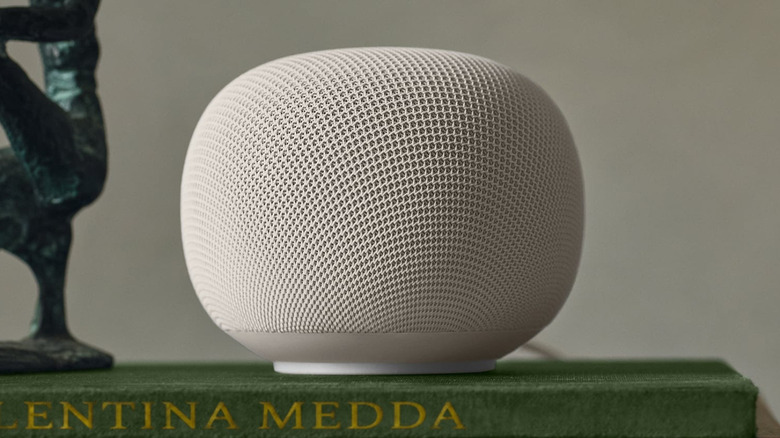
Thinking of bringing Thread into a smart home? Well, as previously mentioned, there's a big difference between a Matter-compatible hub and Thread-enabled hub. Not all hubs support Thread, with Google only having five out of 10 hubs supporting the technology. A Nest Mini is a hub as previously mentioned, but it doesn't have the physical sensor to communicate with Thread smart devices. Connecting Thread devices isn't going to be possible without a hub that has a Thread border router built-in, which will allow it to communicate via home Wi-Fi. The five officially supported Thread-capable Google hubs are
- Google Home Speaker (2026)
- Nest Hub (2nd gen)
- Nest Hub Max
- Nest Wifi Pro (Wi-Fi 6E)
- Google TV Streamer (4K)
Buyers beware that having a hub doesn't ensure Google Home will work offline, which is another myth. Google has never officially confirmed that a hub provides local automation without a Wi-Fi connection. It's the same story with automation, which also can depend on working internet, Wi-Fi, and service availability. While Google Home itself doesn't need a hub in its own ecosystem, they may be needed when considering other branded smart home tech. It's always a good idea to check product listings and specification sheets before buying smart home equipment. Two things are guaranteed though, Matter and Thread devices need their relevant compatible hubs to function. Also, make sure your home can function during power and internet cuts, which can be a real problem for Google-powered smart homes.