

5 Gadgets In Danger Of Getting More Expensive In 2027

Being a tech geek in 2026 isn't the easiest thing in the world, and 2027 isn't looking too bright, either. With companies like Samsung bracing for component shortages to bleed well into 2028, 2027 is already looking to be similar to what many consider to be one of the worst years for tech. If you've been holding off on purchasing certain gadgets in the hopes that the market may improve, you may be waiting a little longer for a few items.
Consumer tech products are being hit especially hard, and it's not just entertainment devices like video game consoles and streaming sticks. Smartphones have most certainly suffered from price hikes, but devices consumers may not immediately think about, such as power banks and routers, are also feeling the pressure. For a good majority of these devices, rising costs of RAM and storage are often a major contributing factor — but some of the gadgets are also experiencing their own unique set of issues.
Though it may seem like everything is pure doom and gloom when it comes to pricing, there are some things users can do to mitigate rising costs. For example, better planning for larger or more important electronics purchases may help users avoid certain price increases, as can looking at used or refurbished equipment (though users should have several questions when going the refurbished route). If you're already tired of rising costs, here are several items where you're likely to experience further headaches as we hurtle toward the future.
Smartphones

Apple increasing its prices on the iPhone 18 was already one argument for upgrading to the iPhone 17, though it looks like users should expect this trend to continue into 2027. According to reports, Apple has locked in its pricing for the fourth quarter of 2026, which may help keep costs regulated until then, but the increases in DRAM and storage prices may cause an uptick afterward. Like other devices feeling the squeeze on these components, these rising costs stem from the AI and cloud services demands.
Naturally, this also means that other companies will have to scramble to meet component demands. According to a report from Omdia, the number of smartphones available for under $400 is expected to decrease by 22% due to the rising cost of memory. Even the next Samsung Galaxy S27 phones are rumored to see a price hike in 2027 due to components being gobbled up by other companies.
Those hoping for smartphone prices to drop anytime soon may be holding their breath, as a report from IDC suggests that while prices may finally stabilize in 2028, consumers should expect current prices to be the new normal rather than seeing them move downward. Accordingly, the report mentions that cheaper smartphones will be impacted the hardest, as premium brands will be able to weather the pricing storm. It's one reason why some may be considering leasing a smartphone over buying it outright, but nonetheless, the days of paying less for a smartphone may be long over.
Power banks

Considering a power bank is typically just a giant battery with a USB port or LED screen, you may think portable chargers are safe from the recent price hikes. Though the increasing demand for RAM applies very little to these accessories, the materials that go into a lithium-ion battery have seen soaring costs. With power banks typically relying on lithium-ion or lithium iron phosphate to properly juice a device, chemicals like lithium hexafluorophosphate (LiPF) and lithium carbonate have increased in price throughout 2026.
Additionally, global demand for power banks has also continued to increase, especially as demand for smartphones and other electronics has continued to soar in certain areas, such as the Asia-Pacific region. It also doesn't help matters that other markets are scooping up lithium-ion batteries in large numbers, including electric vehicles, AI data centers, and energy storage systems working at a grid scale.
While this may ultimately be a good thing in terms of a power bank's quality, new regulations in China are likely exacerbating issues for companies looking to produce cheaper models. In June 2025, the Civil Aviation Administration of China announced that power banks must have a 3C (China Compulsory Certification, or CCC) moniker printed on them after several companies had their clearance revoked. While this may not drive up costs terribly (we know plenty of cheap power banks approved by the TSA), requirements such as power banks needing to meet stricter stress and temperature tests more than likely will. It may not involve RAM, but users shouldn't be surprised if their next portable battery purchase costs them a decent amount more than their last one.
Streaming sticks
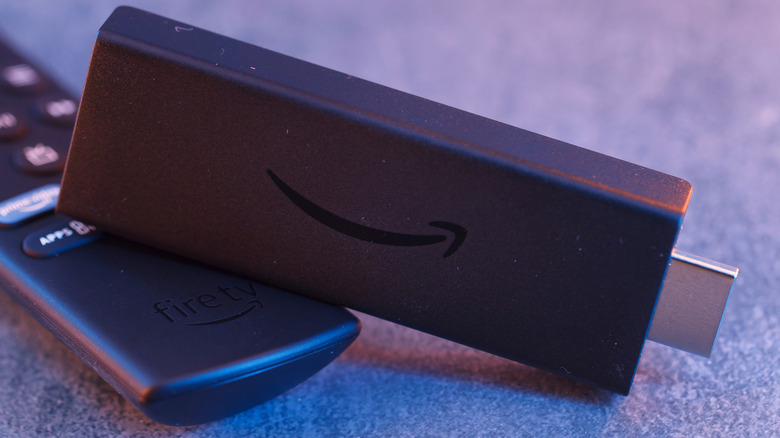
Consumers should already brace themselves for television prices to rise in 2027, but those looking to replace an old Roku streaming stick may also feel the hurt in their wallet. Forgive us for sounding like a broken record, but these gadgets are yet another victim of the component shortage, with a number of companies already increasing prices in 2026. Roku, for example, has driven up costs to as high as 60% across its entire lineup of devices in the United States.
The 2026 prices bring products like the Roku Ultra from $100 to $150 and the Roku Streaming Stick 4K from $50 to $80. In an interview with The Desk, an unnamed executive from the company attributed the rising prices to artificial intelligence demands. Additionally, Amazon also increased the price of its own Fire Stick lineup, with the company tacking an additional $5 to $25 onto the prices of its devices. Apple also increased the price of the Apple TV 4K, with the 64 GB model going from $129 to $199.
Even entry-level gadgets are being impacted, with Walmart's streaming Onn Stick doubling in price in 2026. Without gazing into a crystal ball, there's currently no guarantee that these devices will continue to jump in price, but the likelihood that they'll decrease in price is far lower, as demand for components is expected to continue being abnormally high through 2027. On the bright side, users can expect about five years of service from a streaming stick, so those who don't need to immediately replace theirs may have some time to allow prices to settle.
Video game consoles

Just like smartphones are being impacted by the rising costs of DRAM and NAND flash storage, video game consoles are also feeling the pressure of rising component costs. Microsoft is already feeling the pressure with its Xbox consoles, as Xbox CEO Asha Sharma released an internal memo to employees explaining that the company was experiencing a "hardware component crisis" in June 2026. The CEO mentioned that by 2027's holiday season, the company expects to be paying five times more for storage than it did two years ago.
Unfortunately, memory is also experiencing similar pricing, leaving consumers to foot the bill. Xbox has already raised the prices of its consoles a number of times, including markups on the Xbox Series X and Xbox Series S back in October 2025. For example, the Xbox Series X (1 TB disc model) was originally $499.99 at its November 2020 launch, but it now retails for $799.99, a 60% increase.
Things may look a bit brighter for Sony, as the company promises that it has secured enough memory to hit its projected sales numbers until March 2027, and Sony promises it has no plans to raise prices until then. However, given that the base model PS5 is now $200 more than when it launched in 2020, it will be interesting to see what Sony does after March. Nintendo also raised prices on the Nintendo Switch 2, bumping it from $449.99 to $499.99. Nothing is set in stone just yet for 2027, but warning signs are present.
Routers
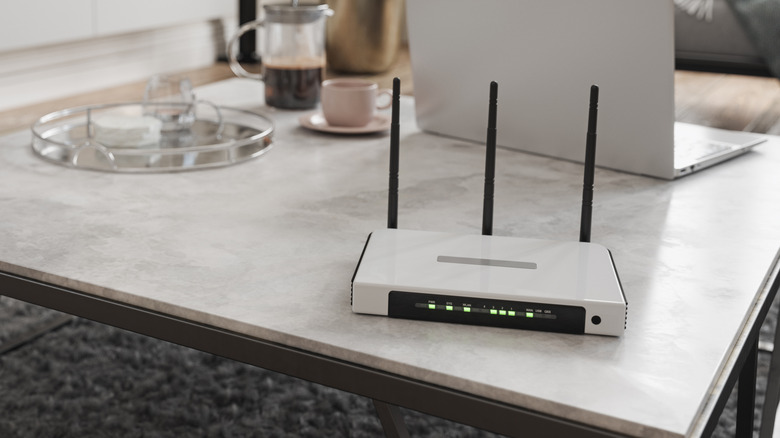
High prices aren't just affecting the more entertaining side of technical gadgets — they're also having some real impact on a few modern necessities. One device the average consumer may not think about often is a home router, which helps you connect to networks. The price of components obviously weighs heavily into the cost of an average router, but there's an additional factor that may impact prices moving into 2027.
Along with components like DRAM causing trouble for router prices, companies are also dealing with the fact that memory made specifically for routers and other broadband devices has increased by almost 700% in 2026. To complicate matters, router producers typically don't need to buy nearly as much memory when compared to a smartphone manufacturer, meaning manufacturers are left with the scraps once larger companies have taken their share. The impact is already being felt, as networking manufacturer Cisco already began increasing prices in February 2026.
Additional factors also separate the situation around routers from the more typical problems devices are experiencing due to scarcer components, as the Federal Communications Commission (FCC) announced new guidelines that are putting expiration dates on older routers. Citing concerns over national security, the FCC is placing major restrictions on consumer routers made outside of the U.S., with several big-name brands being unable to receive authorization on new models. Users won't need to buy a new router due to these restrictions, and the FCC has authorized firmware updates for these devices until March 1, 2027, but users should brace for rising prices, nonetheless.